Can a heat pump keep up in a North Dakota winter

A local installer who puts in heat pumps gets your project.

Match me with a pro

A heat pump can keep up in a North Dakota winter, but below zero it starts losing the fight. Heat pumps pull warmth from outside air, and the colder that air gets, the less heat there is to pull. Once temperatures drop into the single digits and below, most units can't pull enough to keep the house warm on their own, and the system leans on backup heat to make up the difference. Since most homes here heat with gas, that backup is usually the furnace already in place, with the heat pump doing the work in milder stretches of fall and spring and handing off when a real cold snap hits. Sized and installed for that handoff, a heat pump works alongside the furnace instead of against it, cutting down the hours the furnace has to run without leaving you short of heat on the coldest nights.

A woman in a cream knit sweater sits in an armchair with her eyes closed and a slight smile, beside an open window showing orange autumn foliage, with a mug, books and a lit candle on a small side table.
An older man with gray hair and a beard leans back on a beige sofa with his eyes closed, in a sunlit room with potted plants, a wicker chair and large windows behind him.

Why does the house feel cooler on the coldest days

You might notice the air coming out of the vents feels cooler than it used to, or the heat pump runs longer stretches without shutting off. On the worst nights, a backup heat light might come on, or you hear a different sound as the system switches over. If the house relies on the heat pump alone once it turns bitter cold outside, the system can fall behind and let indoor temperatures drift down room by room. Left unchecked through a full winter, that gap between what the thermostat asks for and what the house actually gets can mean rooms that never quite warm up and a system working harder than it should for less heat.

  1. The heat pump pulls warmth from outside air into the refrigerant.

  2. Compressing that refrigerant raises it to a usable temperature.

  3. Indoor coils release that heat into the air moving through your ducts.

  4. Below a set outdoor temperature, backup heat strips or a furnace take over.

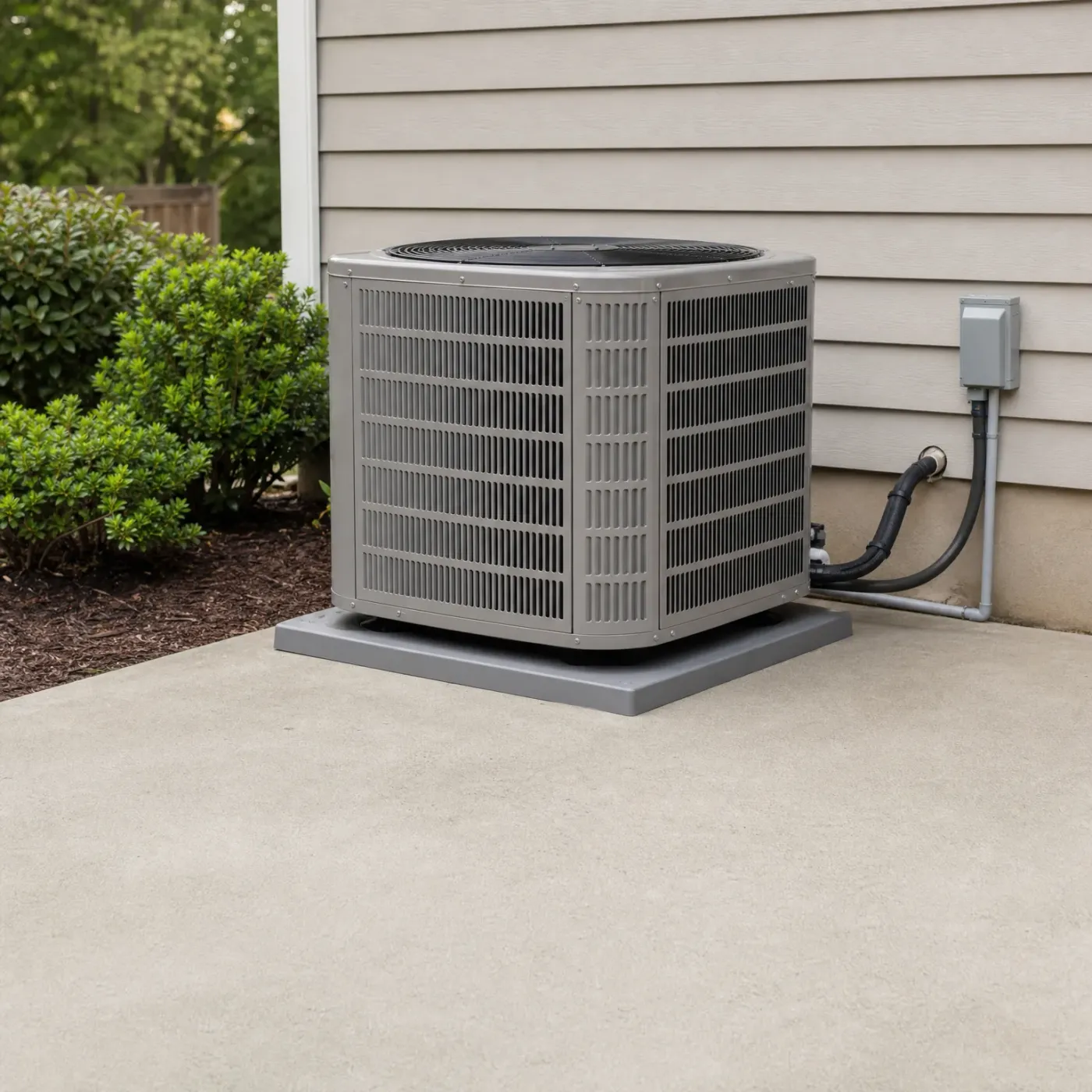
A gray outdoor condenser unit on a raised pad beside a house with horizontal lap siding, with refrigerant lines, conduit and an electrical disconnect box on the wall, and shrubs on a mulch bed to the left.
A heat pump sized and installed right for a North Dakota winter keeps the house warm and switches to backup heat only when it has to.
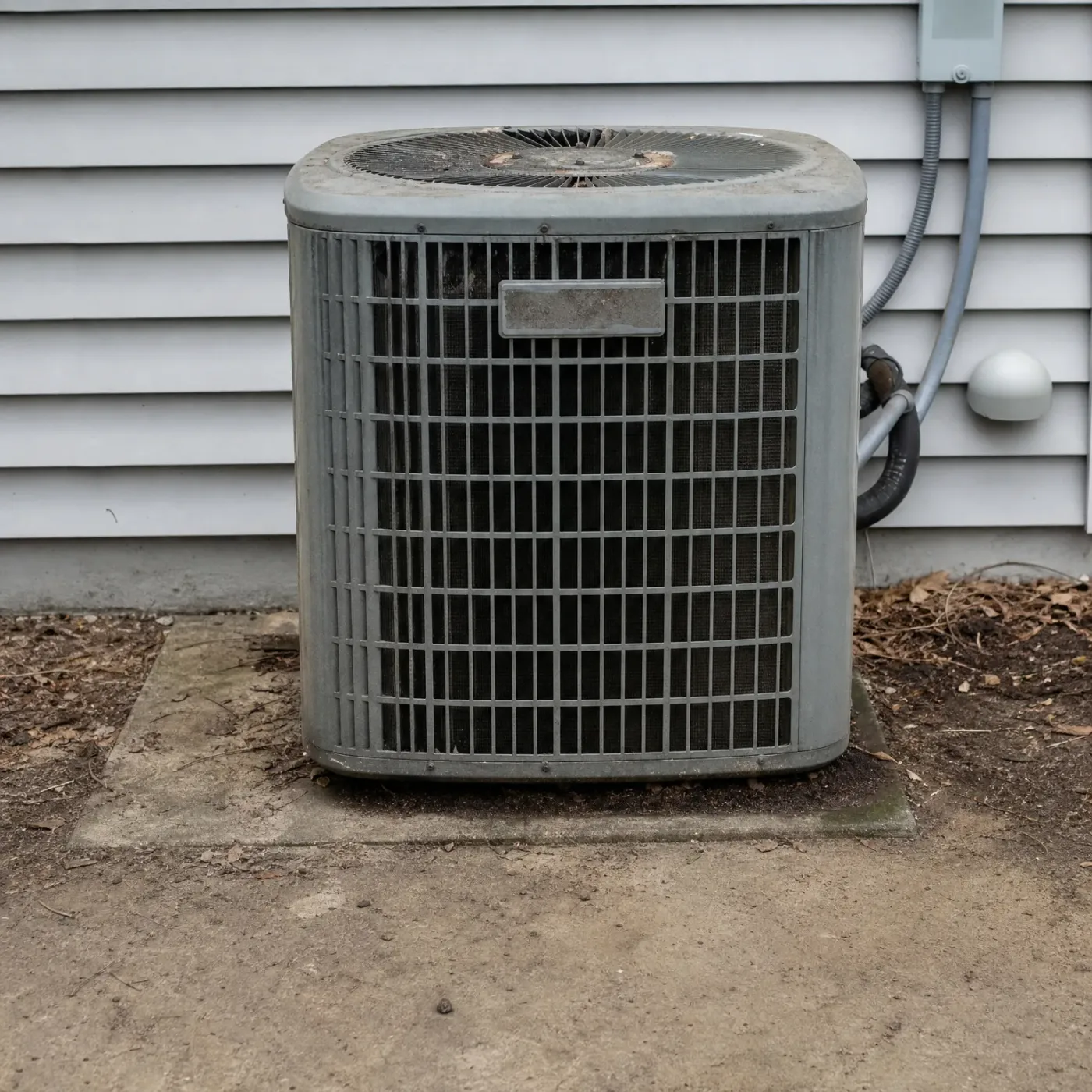
A weathered gray outdoor condenser unit on a concrete pad beside a house with horizontal vinyl siding, with conduit, refrigerant lines, and an electrical disconnect box on the wall behind it.
A heat pump left to struggle, or paired with the wrong backup setup, runs constantly in the cold and still can't hold the temperature.
A woman with long gray hair wrapped in a checked blanket sits on a sofa by a window with yellow autumn foliage outside, with a lamp, framed picture and plant in the background.
An older woman in a cream knit sweater sits on a sofa by a window, looking out at sunlit trees with yellow and orange autumn leaves, with a bookshelf and lamp behind her.
A woman with gray shoulder-length hair in a dark knit sweater sits on a cushioned seat by a window, looking out at yellow autumn foliage, with a living room, armchair, houseplant and framed picture behind her.
An older woman with gray hair in a bun, wearing a cream knit sweater, sits on a sofa with a gray blanket and looks out a large window toward yellow-green autumn trees, with a lit table lamp and dark armchair behind her.
A woman in a cream cardigan and jeans stands with one hand raised facing an open front door of a gray horizontal-siding house, with a black lantern wall light, a potted shrub with yellow flowers, and a stone-faced porch column.

What this looks like in your house

You'll feel it first in the rooms farthest from the unit. The thermostat might read 68, but a back bedroom runs a few degrees under that once it's well below zero outside. The backup heat kicks in more and more as the temperature drops, and if that backup is electric resistance, it pulls a lot more power than the heat pump does on its own. Since most homes here heat with gas, how your system is set up to switch over matters more than the heat pump itself.

Get the sizing or the backup wrong and a North Dakota winter will find it. A unit that's too small for your house spends January running flat out and still loses ground. One installed without a plan for the coldest nights leaves you guessing whether the heat will hold. A licensed local contractor who installs heat pumps in this climate every winter knows how to size the system and set up backup heat so the switch happens when it should, not too early and not too late. Matching you with one contractor, not several, means one person looks at your house and your gas line and gives you a straight answer.

A living room corner with a beige upholstered armchair holding navy and striped cushions, a small round wooden side table with a carved bowl and a potted green plant, a framed landscape picture on a pale wall, built-in shelving, and a curtained window.
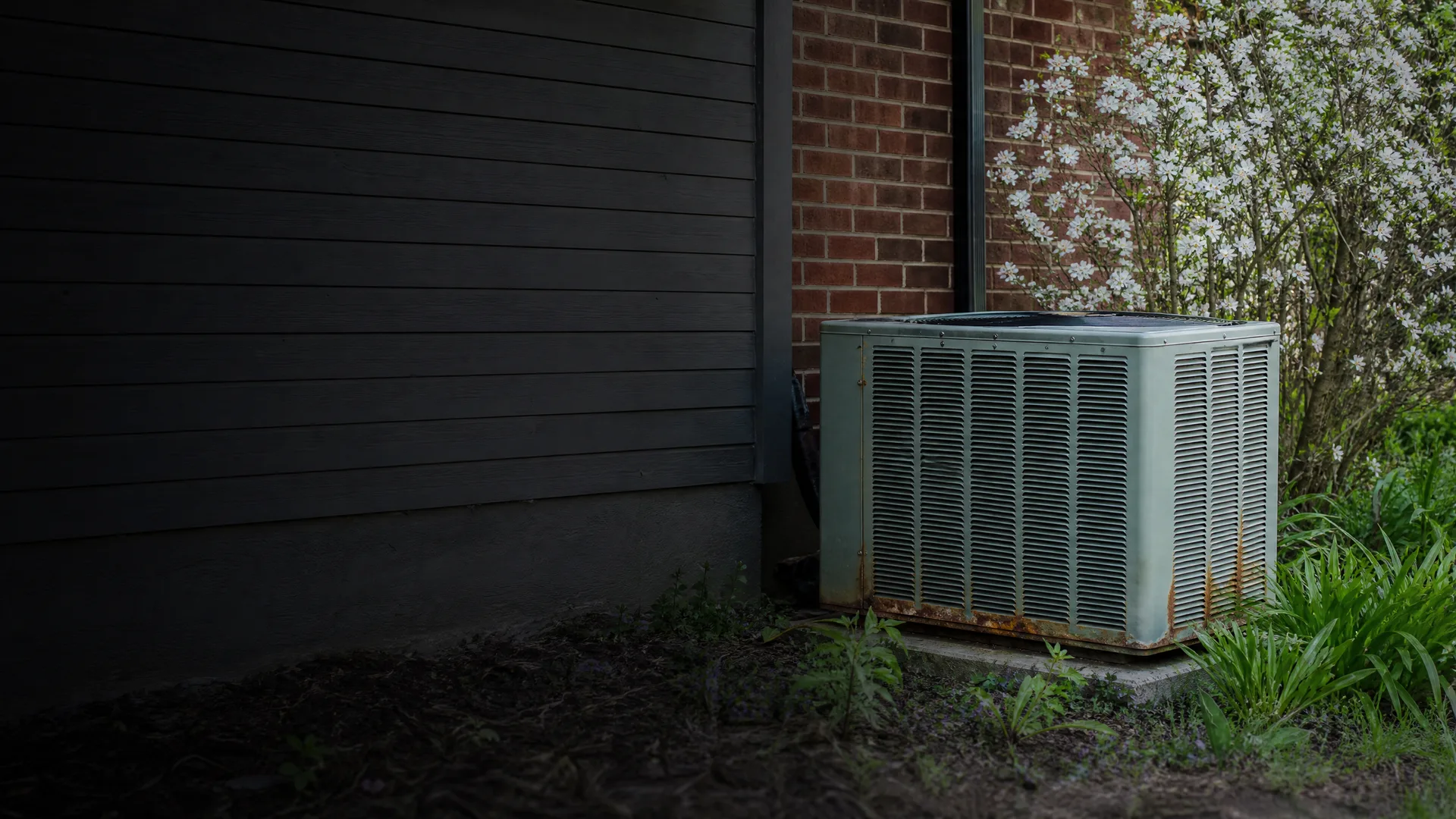
An outdoor air conditioning condenser unit on a concrete pad beside a dark horizontal-siding wall and a brick wall, with flowering shrubs and grass nearby.

The rust catches your eye first, a line of it along the base where the unit sits on its pad. You're out checking the yard in that first stretch of warm weather, mud still soft under the grass, and you crouch down to look closer. The unit ran hard all winter, longer stretches than it used to, backup heat kicking on more nights than the one before. Now you're wondering what those months cost it. A local contractor who services heat pumps through a North Dakota winter would know what that rust means and whether it's just surface wear or something that affects how the unit runs next season. One call, one visit, and you'd know what you're looking at before next winter asks the same question again.


A pro who works on heat pumps

A heat pump works in North Dakota, but it needs to be matched to what winter here actually does, the backup heat sized to kick in at the right point, the unit itself rated for cold climate use instead of a standard model that gives up too early. Most houses here run on gas anyway, so the heat pump is carrying part of the load, not all of it, and getting that balance wrong is what leaves a bedroom cold at negative twenty while the thermostat still reads 68. A contractor who installs these locally sees which models hold up through a Dakota winter and which backup setups leave people cold on the worst nights. Getting matched with someone who already knows that, rather than figuring it out room by room as the temperature drops, is the difference between a system that holds and one that's always catching up.

A cold climate heat pump is rated to keep producing heat down to around minus 5 degrees, sometimes lower, while a standard heat pump often stops being useful somewhere in the teens.

That difference is the install, not the brand name on the unit, since a cold climate model paired with the right backup is what actually gets a North Dakota house through January.

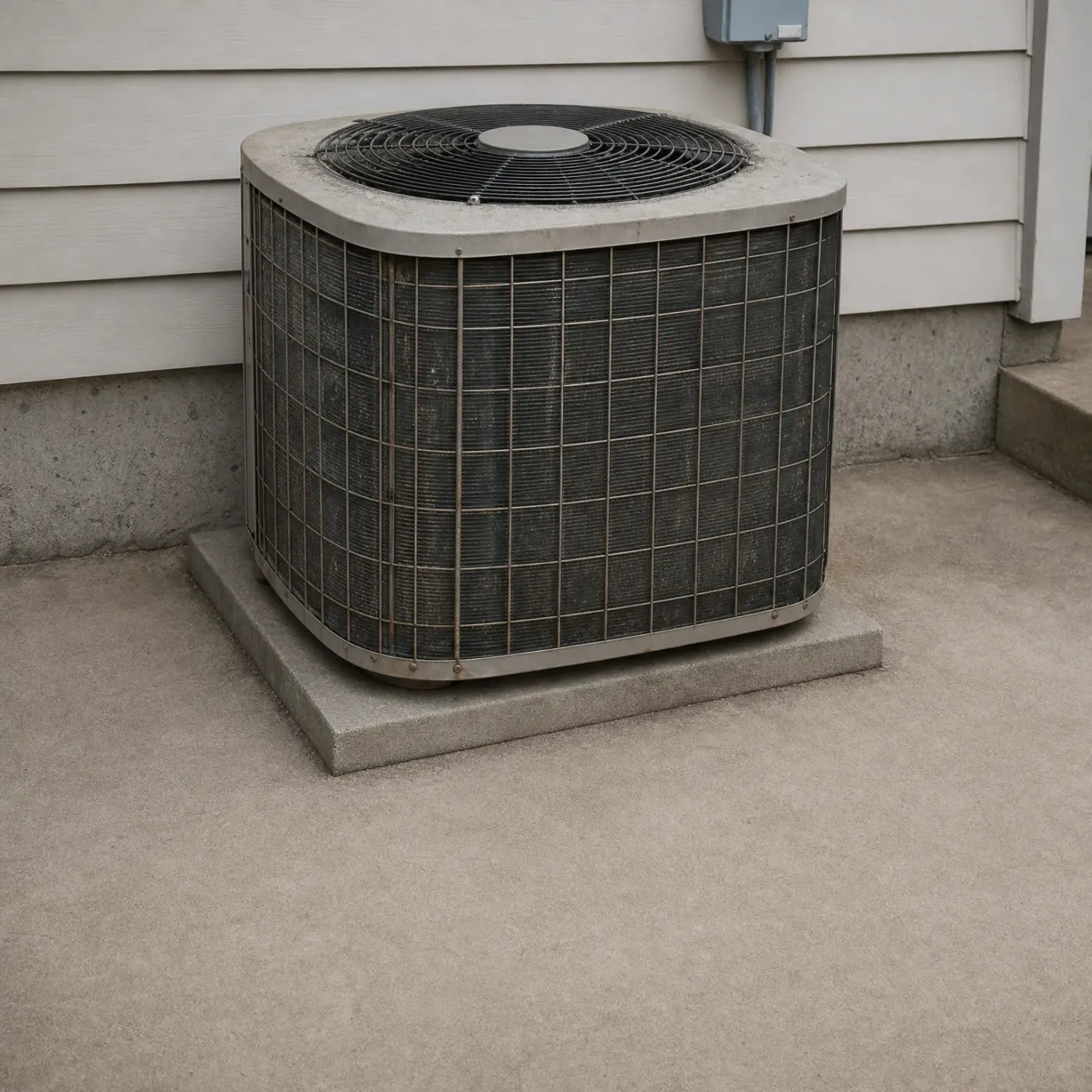
An outdoor air conditioning condenser unit with a top fan grille sits on a concrete pad beside a house with horizontal siding and a concrete step.
Before you get your heat pump installation
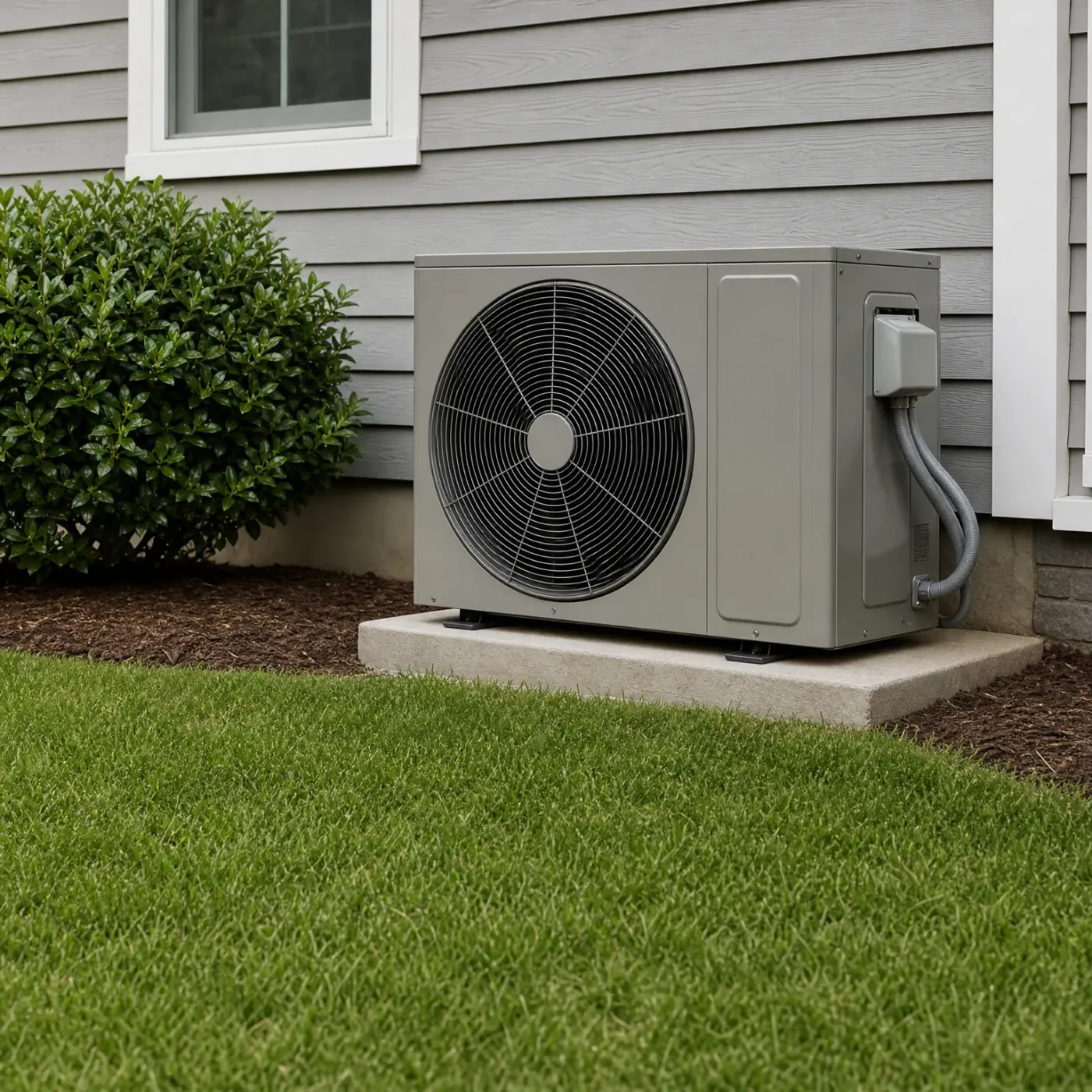
A gray outdoor heat pump unit with a large fan grille sits on a concrete pad beside a house with horizontal lap siding, next to a green shrub, mulch bed, and lawn.
After you get your heat pump installation
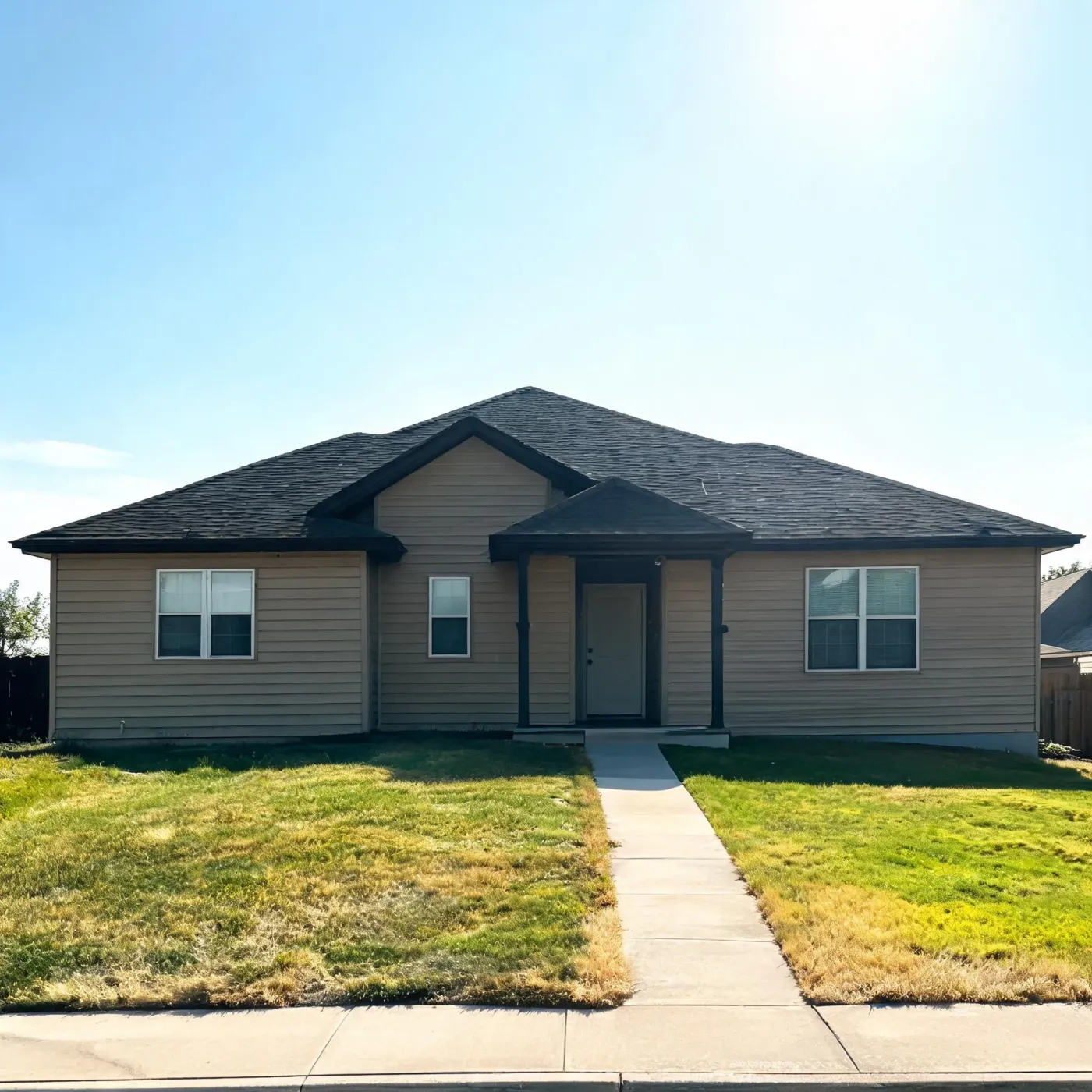
Single-story house with tan horizontal siding and a dark shingled hip roof, fronted by a patchy green and brown lawn and a concrete walkway leading to the covered entry.

Summers here don't carry the heavy air you'd get further south. The dew point averages 53°F across June, July and August, data from NOAA. That's dry enough that your heat pump isn't fighting much moisture when it cools the house. It doesn't have to run as long to pull humidity out of the air, so the compressor gets an easier summer than it does a winter. Where the sizing and install really get tested is the cold months, not these. A heat pump built for this climate takes the mild summer in stride. The hard part of the year is the one working against it, not the one going easy on it.

NASA POWER T2MDEW county cells weighted by homes

Standard Install vs. Cold Climate Install

Standard heat pump

  • Most standard heat pumps lose useful heating capacity somewhere in the teens, right when a North Dakota cold snap is just getting started.
  • Backup heat has to carry more of the load, and it tends to switch on earlier and stay on longer through the winter.
  • Gas furnace backup still handles the coldest stretches, but the heat pump itself is doing less of the work than you paid for.
  • Rooms farthest from the unit are the first to run cold once outdoor temperatures drop well below zero.
  • A standard unit installed without winter in mind often gets treated as a shoulder-season machine, idle for months at a time.

Cold climate heat pump

  • A cold climate heat pump is rated to keep producing heat down to around minus 5 degrees, sometimes lower, depending on the model.
  • Backup heat still kicks in on the hardest nights, but it's filling a smaller gap instead of carrying the whole house.
  • Sizing and the backup cutover point get set for what winter here actually does, not for a milder climate's numbers.
  • The unit keeps working through more of the winter instead of handing off early to backup heat.
  • Power here is cheap, so a heat pump that's actually running through the cold months is still working in your favor.
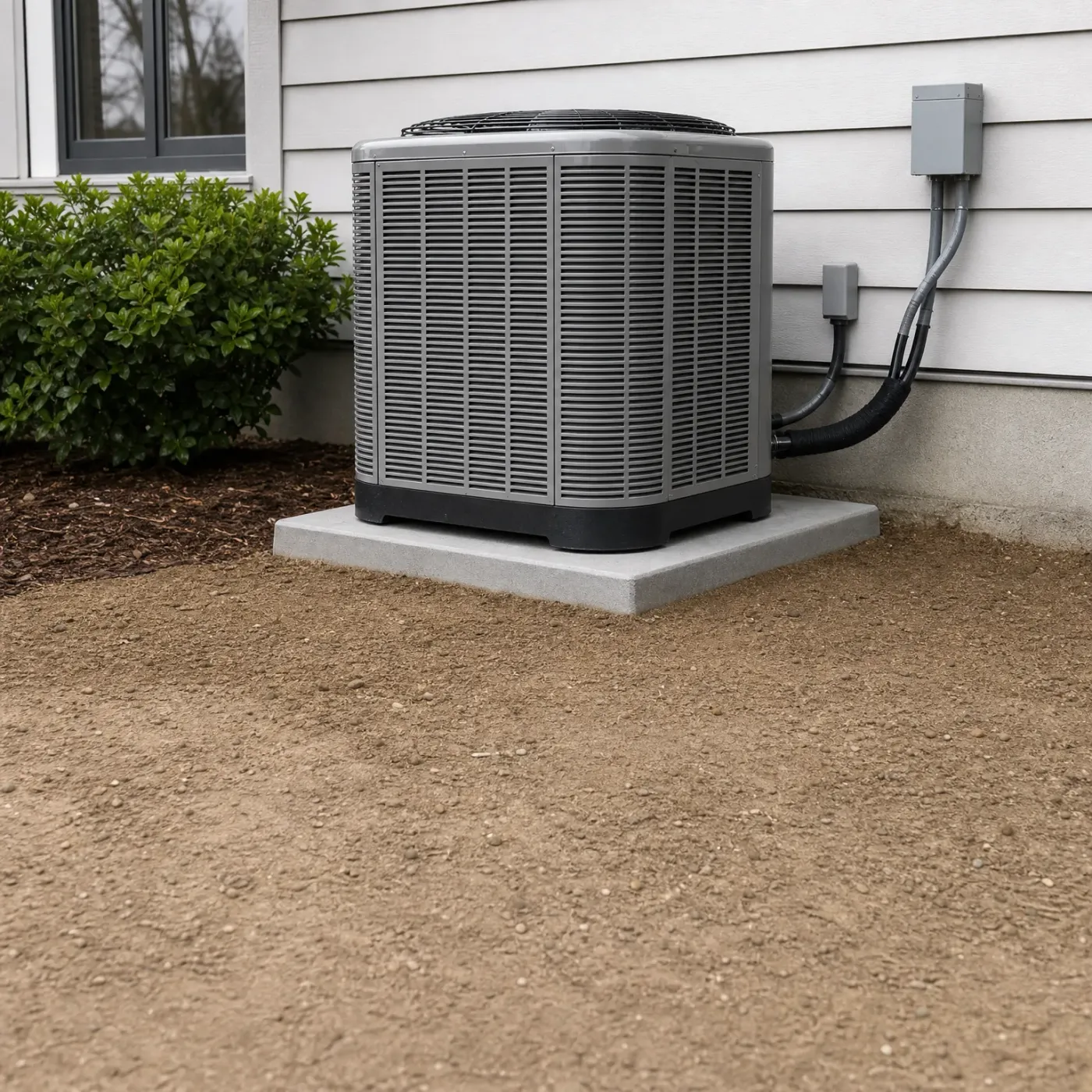
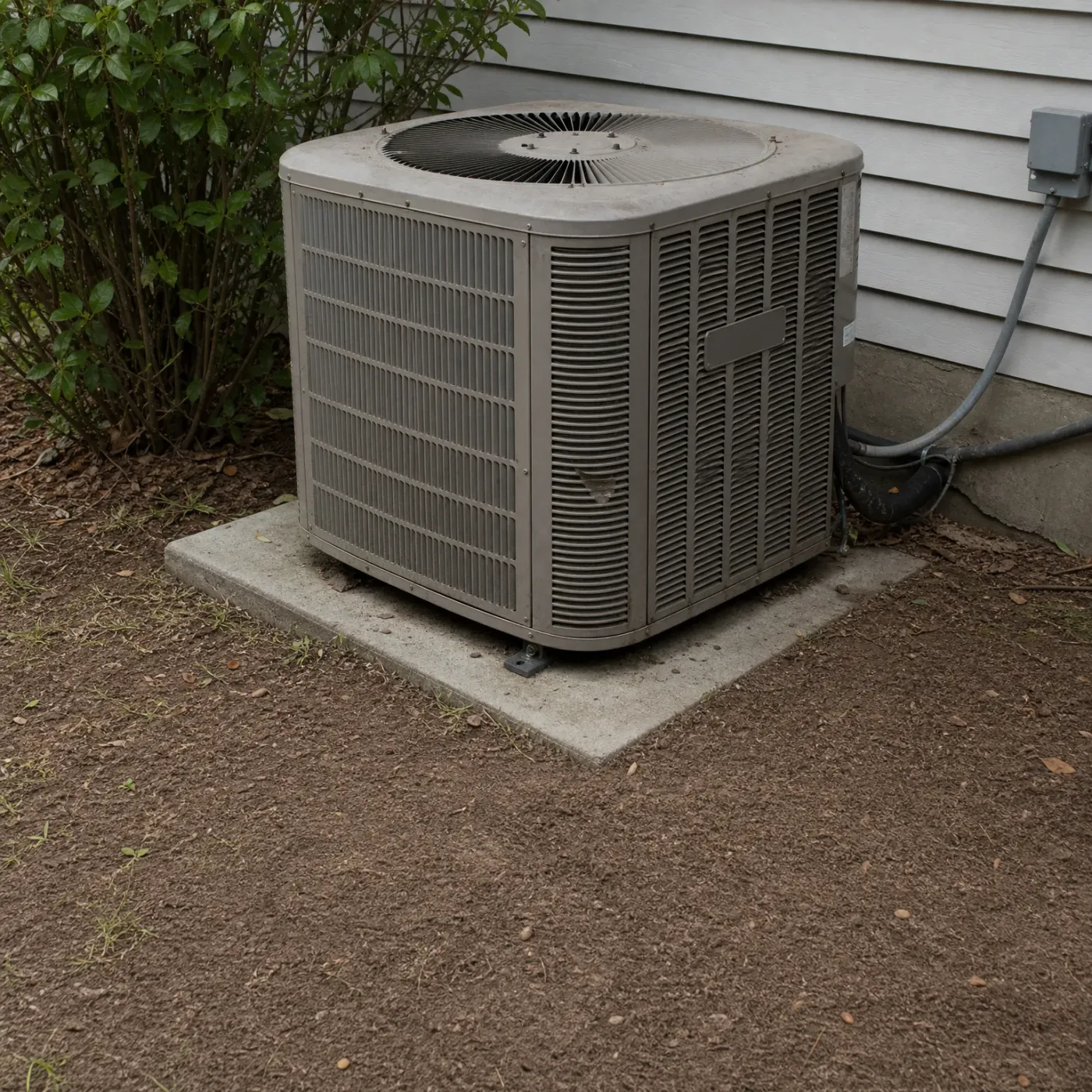
A gray outdoor condenser unit on a concrete pad beside a white horizontal-siding house, with refrigerant lines and conduit running to a wall-mounted disconnect box, bare soil in front and a green shrub at left.

The install done right

This is what a heat pump should look like sitting outside your house. Lines and conduit run clean to the disconnect box, the pad is level, and the unit is sized for what your winter asks of it. Nothing about the setup is working against the cold.

An outdoor air conditioner condenser unit on a concrete pad beside a house with horizontal lap siding, with a shrub to the left, bare dirt in front, and conduit and a metal disconnect box on the wall.

The install working against itself

Same kind of unit, same wall, but the sizing or setup wasn't matched to a North Dakota winter. It runs harder than it should just to keep up, and that strain shows up over a season or two, not right away.

Power costs 11.82 cents per kilowatt-hour statewide

Backup heat on a heat pump usually means electric resistance coils, and at 11.82 cents a kilowatt-hour that's the most expensive heat in your house. The more it runs on the coldest nights, the more it shows up on your bill. A unit sized right for your winter leans on that backup less.

EIA-861 2025 statewide residential average

What this comes down to

  • A heat pump sized and installed for North Dakota winters heats the house down into the single digits before backup has to take over.
  • The equipment itself matters less than whether the install accounts for how cold it actually gets where you live.
  • A contractor who works on heat pumps through a North Dakota winter has seen which units hold up and which ones lean on backup heat too soon.
  • Matching you with one licensed local contractor means someone who already knows this climate looks at your setup, not a handful of companies competing for the job.
  • Gas heat stays common here, so a contractor familiar with heat pumps in this area knows how to size one against that backdrop rather than guessing from a warmer climate's numbers.
  • Where you stand now is simple: the equipment can do the job here, but only when the install matches what winter actually asks of it.

A heat pump can carry a North Dakota winter. The question was never whether the equipment works here, it's whether the install was sized for what this winter actually does. That's the difference between a unit that holds on into the single digits and one that hands the job to backup heat the first time it gets cold.

Gas is the default heat source in most houses here, which means a lot of installers size heat pumps the way they would in a place that never sees single digits. A contractor who's spent winters in North Dakota working on this equipment has seen both outcomes side by side, the unit that keeps up and the one that doesn't, and knows what separates them before the first cold snap tells you the hard way.

That's who you get matched with: one licensed contractor local to you, not a list of companies bidding against each other for the work. Someone who's pulled apart heat pumps after a hard February and knows which parts give out first, which backup setups are sized wrong from the start, and what a proper install looks like against this specific climate rather than a manufacturer's spec sheet written for somewhere warmer.

The equipment side is settled. Cold climate heat pumps exist, they're rated for this, and they work. What's left is making sure your install reflects that, with someone who already knows what winter here is going to ask of it.

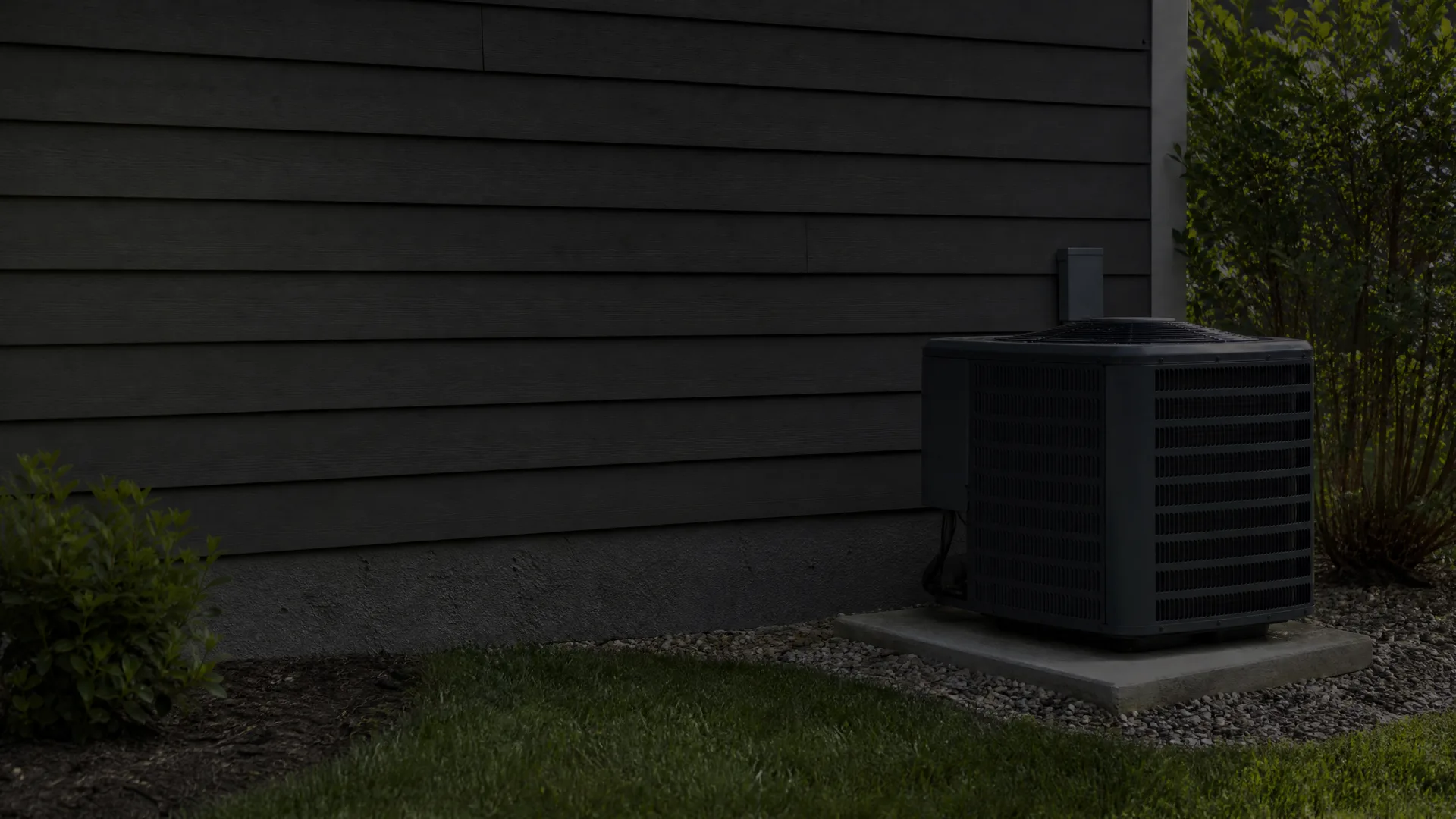
An outdoor air conditioning or heat pump condenser unit sits on a concrete pad surrounded by gravel beside a dark horizontal-sided house, with grass and shrubs nearby.

Get your heat pump to the right pro

One installer gets your project, so there's no bidding war over it.

Step 1 of 3: Equipment