 Send my request
How cold is too cold for a heat pump in North Dakota
One request ends the search for a heat pump installer.
Most heat pumps start losing their grip somewhere in the teens, and North Dakota spends plenty of nights well below that. When the outdoor air gets that cold, the system has less heat to pull from, and it has to work harder for less. In a lot of homes that is fine, because gas is doing most of the heating anyway and the heat pump is covering the milder stretches of fall and spring. But if yours is expected to carry the load on a hard winter night, you'll feel the difference in how long it runs and how warm the air coming out actually feels.
The question is really about whether your system is sized and set up for what North Dakota winters do, not just what the forecast says tonight. That depends on the equipment itself, how your home is set up to back it up, and whether it was installed with this climate in mind to begin with.
That's a judgment call worth getting from someone who installs and services these systems here, not a guess made over the phone. A local contractor who works on heat pumps through a North Dakota winter knows which models hold up in this cold and which ones are already behind on temperature before the sun goes down. They can look at what you have, tell you straight whether it's keeping up the way it should, and walk you through what a setup built for this cold actually looks like.
Send the request and the search is off your plate. You won't be sorting through a handful of companies competing for your number. It goes to one licensed local contractor who knows this equipment and this climate, and from there it's theirs to sort out, not yours.
How cold is too cold for a heat pump in North Dakota?
You've seen your heat pump run longer and longer as the temperature drops, and you want to know if there's a point where it just stops being able to keep up. North Dakota winters get cold enough that this isn't a hypothetical. You want a straight number, not a sales pitch, so you know whether your system is struggling because something's wrong with it or because that's just what happens below a certain temperature.
Most heat pumps stop being worth relying on somewhere between 0 and 10 degrees
Below that range, a heat pump is still pulling heat from the outside air, but there's so little heat left to pull that it can't keep your house warm on its own. This is why most homes here heat with gas, and why a heat pump in North Dakota is usually paired with a furnace rather than asked to carry the whole winter by itself. The two systems hand off the job depending on the temperature outside, so the heat pump covers the milder stretches and the furnace takes over once it gets genuinely cold. If your heat pump is running constantly without a backup system kicking in, that's worth having looked at, since it may be doing a job it was never set up to do alone.

Outdoor air gets colder, so the refrigerant has less heat to absorb.
The compressor works harder to pull the same warmth inside.
Around the teens, output starts dropping below what the house needs.
Below that, a backup heat source has to take over.
Heat Pump Alone or Paired With Gas
Heat Pump Alone
- Below the teens, the heat pump pulls less warmth from the outdoor air, and output starts falling behind what the house loses.
- You'll see longer run times before the thermostat gives up any ground, and on the coldest nights it may not reach the set temperature at all.
- Electric resistance strips or a furnace can step in automatically, but if that backup isn't sized or wired right, the house falls behind the moment the heat pump can't keep pace.
- Gas is common here, and most homes already lean on it for the bulk of winter heat, so the heat pump alone is rarely the whole plan.
Heat Pump Plus Gas Backup
- A dual-fuel setup lets the heat pump run on the milder nights and hands off to the gas furnace once it's not worth the electricity to keep pushing.
- Gas is cheap here, so the furnace picks up the load on the coldest stretches without the bill climbing the way straight electric backup would.
- The switch-over point gets set during installation, matched to your house and your equipment, not guessed at afterward.
- A licensed installer who works in North Dakota winters knows where that line usually falls and sets the system to cross it before the heat pump is struggling.
- Get that pairing wrong, and you're either burning gas too early or asking the heat pump to do a job it can't finish.




Stop chasing a heat pump pro
One installer gets your project, so there's no bidding war over it.
No fee to send it, and nothing to sign.
What You'll Notice at Home
- A thermostat set at 70 that only reaches 66 on a zero night usually means the heat pump has fallen behind, not that it's broken.
- Backup heat kicking on more often will show up on your power bill before you notice it any other way.
- A heat pump that runs nonstop without raising the temperature is losing the fight to the outdoor air, not malfunctioning.
- If your backup heat is electric resistance rather than your gas furnace, those long runs cost more than most people expect.
- A system sized or installed wrong struggles sooner than the teens, so what you notice may point to the install, not just the weather.
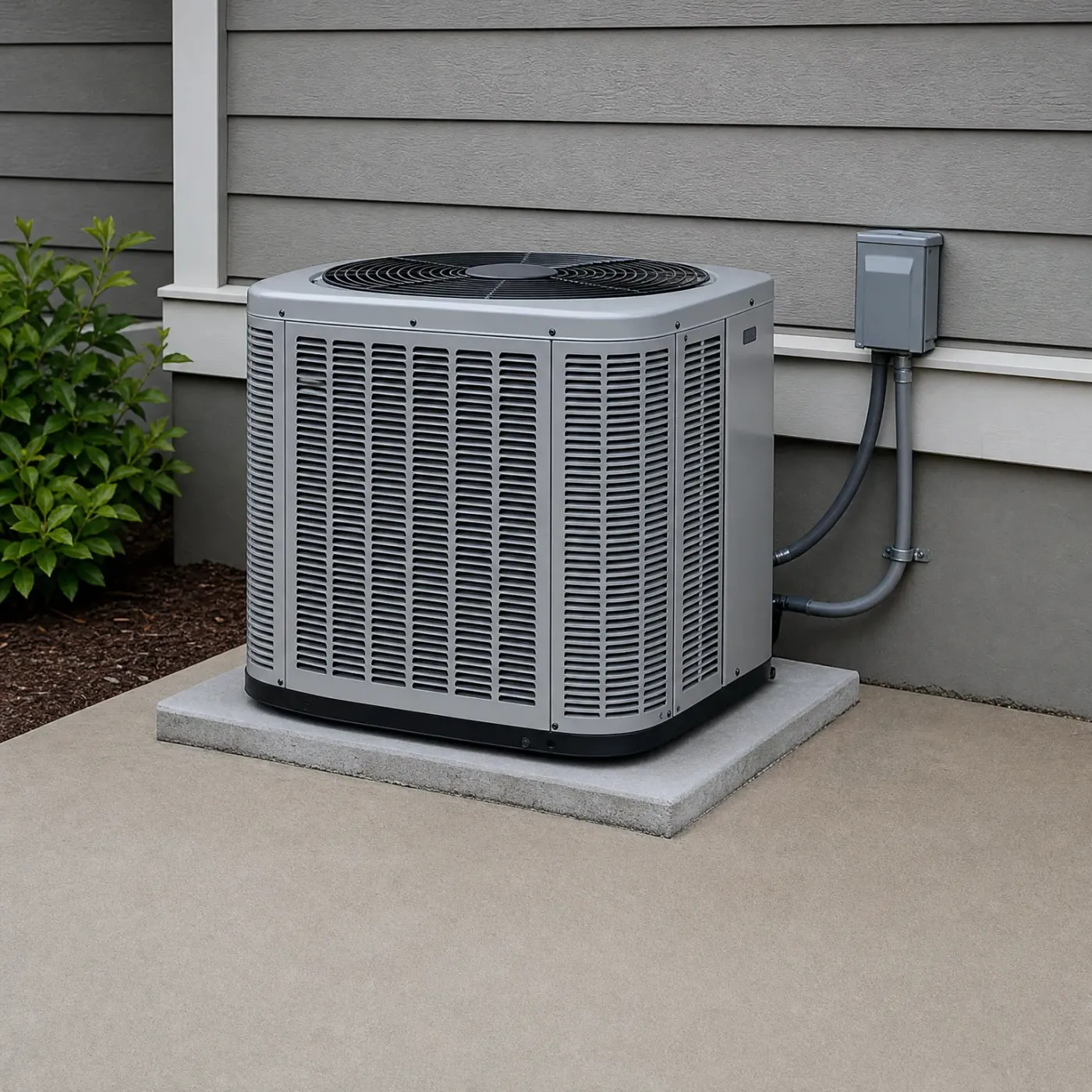
- Ice building up on the outdoor unit during a cold snap is normal defrost behavior, not a sign something's failing.
You'll feel it before you think to check the thermostat. The house doesn't quite warm up, the air coming out of the vents feels cooler than usual, and the unit outside seems to run forever. None of that means something's broken. It means the heat pump has reached the point in the cold where it can't pull enough warmth from the outdoor air to match what the house is losing.
What it costs you shows up a step removed from the thermostat. Most homes here lean on gas furnace backup, which holds the line on your bill even when the heat pump is struggling. If your setup leans on electric resistance backup instead, those long runs add up fast, since that kind of heat costs more to produce than either the heat pump or a gas furnace. Either way, the jump usually shows up on the power bill before you've pieced together why.
There's also a difference between the cold doing this and the equipment doing this. A heat pump that was sized wrong for your house, or installed without accounting for North Dakota winters, can start falling behind well before the teens. If you're seeing these signs on nights that aren't especially extreme, the install is worth a look, not just the weather. And if you see frost building up on the outdoor unit, that's the system defrosting itself, not failing.
What are you noticing with your heat pump right now
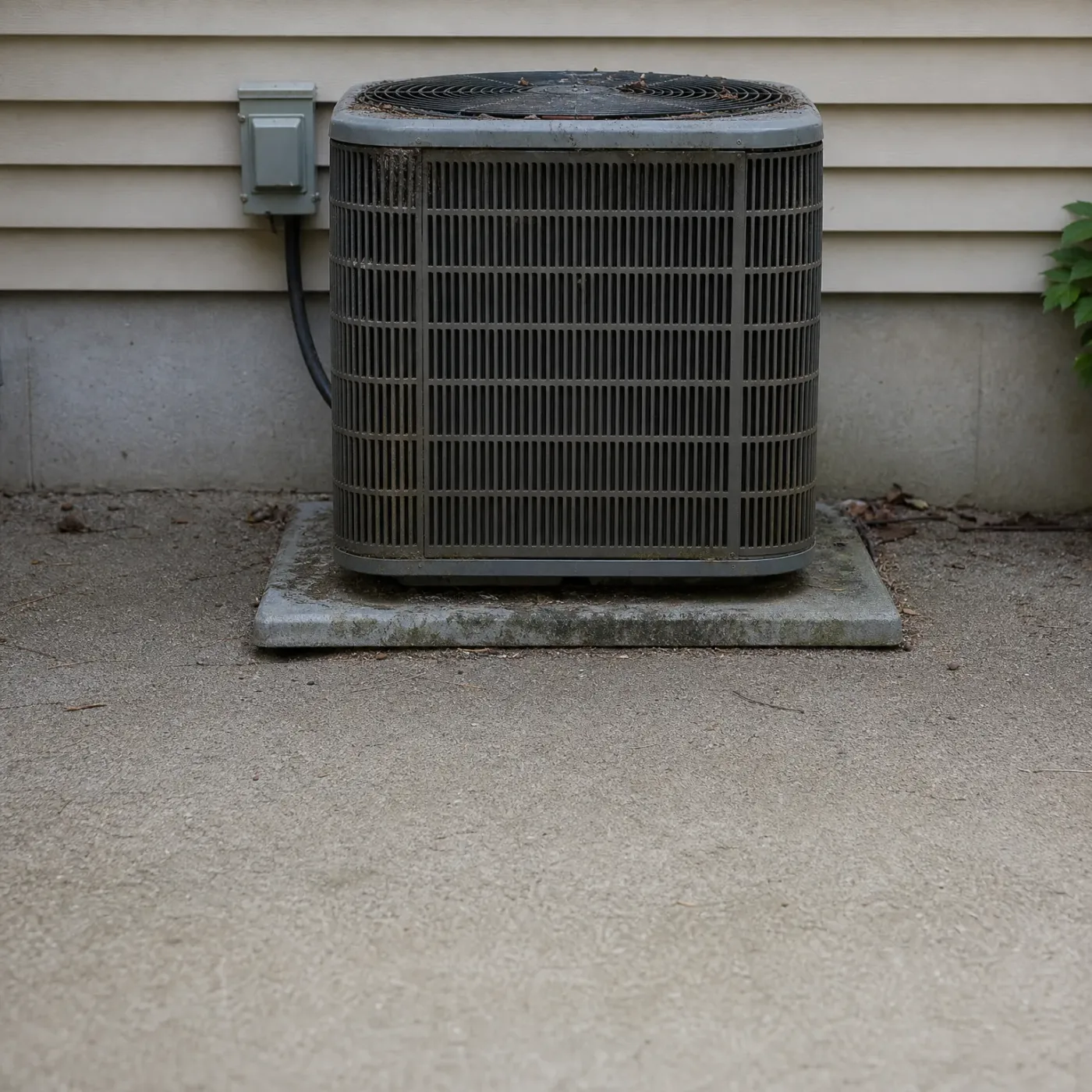
You might hear it running almost nonstop on the colder nights, with the air coming out of the vents feeling cooler than it used to. The thermostat says 70 but the house sits at 65 or 66 and won't climb any higher. Some rooms feel colder than others, especially ones farthest from the unit. If you have backup heat, it may be kicking on more than it used to, and that shows up on your power bill before you notice anything else. None of this means the system is broken. It usually means the heat pump has fallen behind what the house needs on that particular night. Left alone through enough cold snaps, the strain adds up, and parts that are already working harder than they should wear out sooner.


Power costs 11.82 cents per kilowatt-hour statewide
At under 12 cents a kilowatt-hour, running backup heat through a cold snap won't wreck your budget the way it might somewhere power costs more. That gives you room to size a heat pump install around comfort and correct backup, not around squeezing every degree out of the outdoor coil.
EIA-861 2025 statewide residential average
A heat pump in North Dakota starts falling behind somewhere in the teens, and below that it needs backup heat to keep the house warm. That's not a flaw, it's just how the equipment works, and the fix is sizing the system and the backup correctly for your house. Getting that right takes someone who installs these year-round in this climate and knows which setups keep up through a Fargo or Bismarck winter and which ones leave homeowners running backup heat more than they should. When you request an install through this page, you're matched with one licensed local contractor, not a handful of companies calling at once, someone who works on heat pumps in North Dakota winters every season and knows what to size for before the first cold snap hits. You already know what your thermostat and your power bill have been telling you. The next step is having someone who does this for a living make sure your next heat pump is set up to handle it.
Send one request and you're done looking
Your request stays with one local pro.