 Get matched
Is a heat pump cheaper to run than gas heat in North Dakota
A local installer who puts in heat pumps gets your project.
Cold climate heat pumps keep working in North Dakota winters, but below a certain outdoor temperature they lose ground to a gas furnace. Power here is cheap and most homes still heat with gas, so the math on which one costs less to run isn't obvious just from looking at the thermostat.
A heat pump moves heat instead of burning fuel for it, which is why it can beat gas on cost even in a cold state, as long as the system is sized right and set up to hand off to backup heat at the right point. Get that balance wrong and you're paying more than you should, either from a heat pump straining on the coldest days or backup heat kicking in too soon.
Whether yours comes out ahead depends on things specific to your house: what you're paying per kilowatt-hour and per therm, how your system is set up to switch between electric and gas heat, and how it was sized for your home. No two installs here answer that the same way.
Getting a straight answer means having someone look at your actual setup, not a rule of thumb. Once you fill out the form, finding that person stops being something you have to chase down. A contractor who works on heat pump installations in North Dakota will get in touch and look at what you've got, your rates, your home, and tell you where you actually stand.
You don't have to figure out the cost comparison on your own or guess at what your system can handle. Send the form and let someone who installs these systems in North Dakota take it from there.
A heat pump usually costs less to run than gas heat in North Dakota until it gets cold enough outside, and then the furnace takes over as the cheaper option. A heat pump moves heat from the outside air instead of burning fuel to make it, so it uses less energy per degree of warmth, even with cheap power. The problem is that as the outdoor temperature drops, there's less heat out there to move, and the unit has to work harder to pull the same amount in. Below somewhere around 20 to 25 degrees, most heat pumps lose that advantage, and a gas furnace starts heating the house for less. In North Dakota, that means a heat pump can carry the house through the milder stretches of fall and spring on its own, while the furnace earns its keep during the deep cold of January and February. A system that switches between the two automatically is what makes that pairing work without you having to think about it.
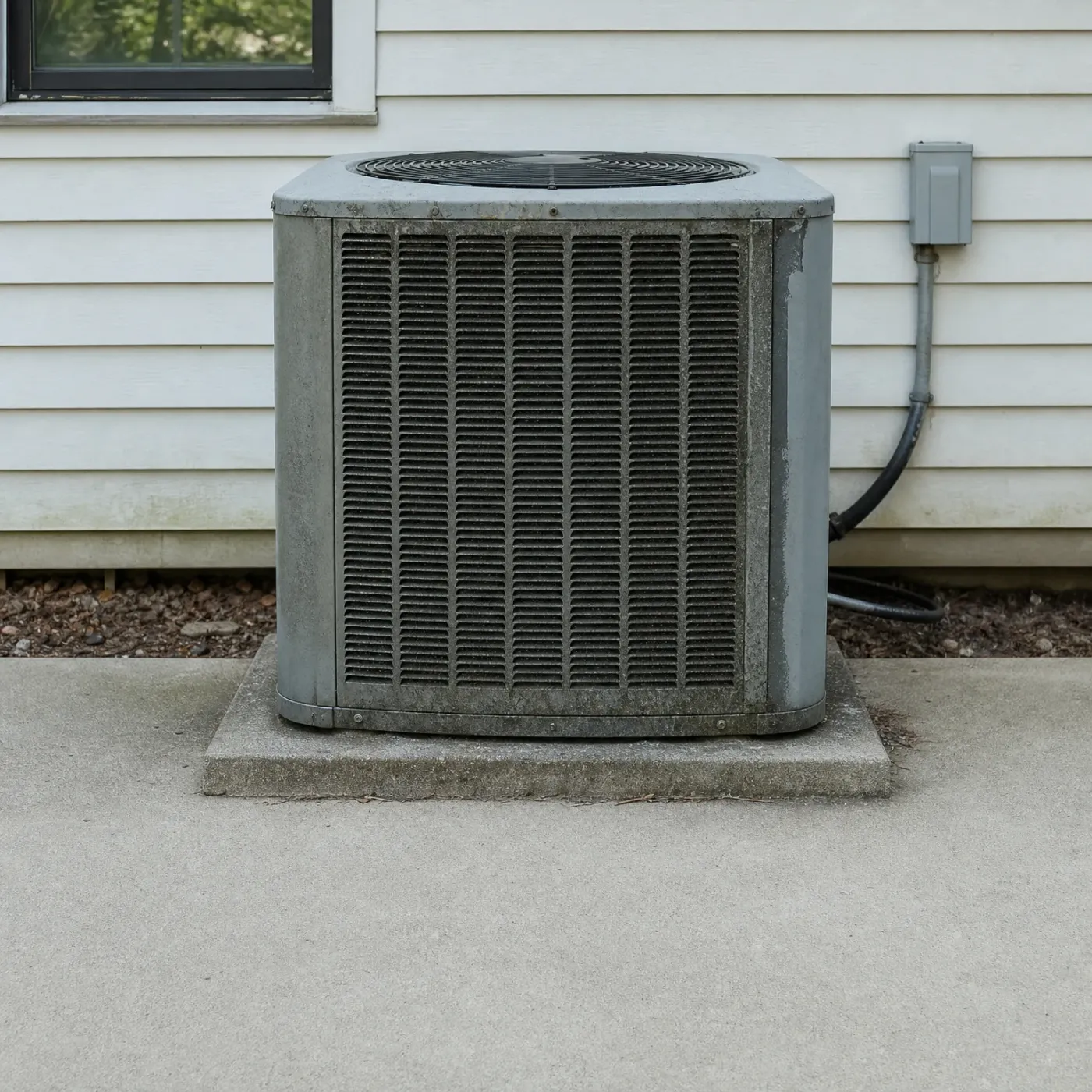
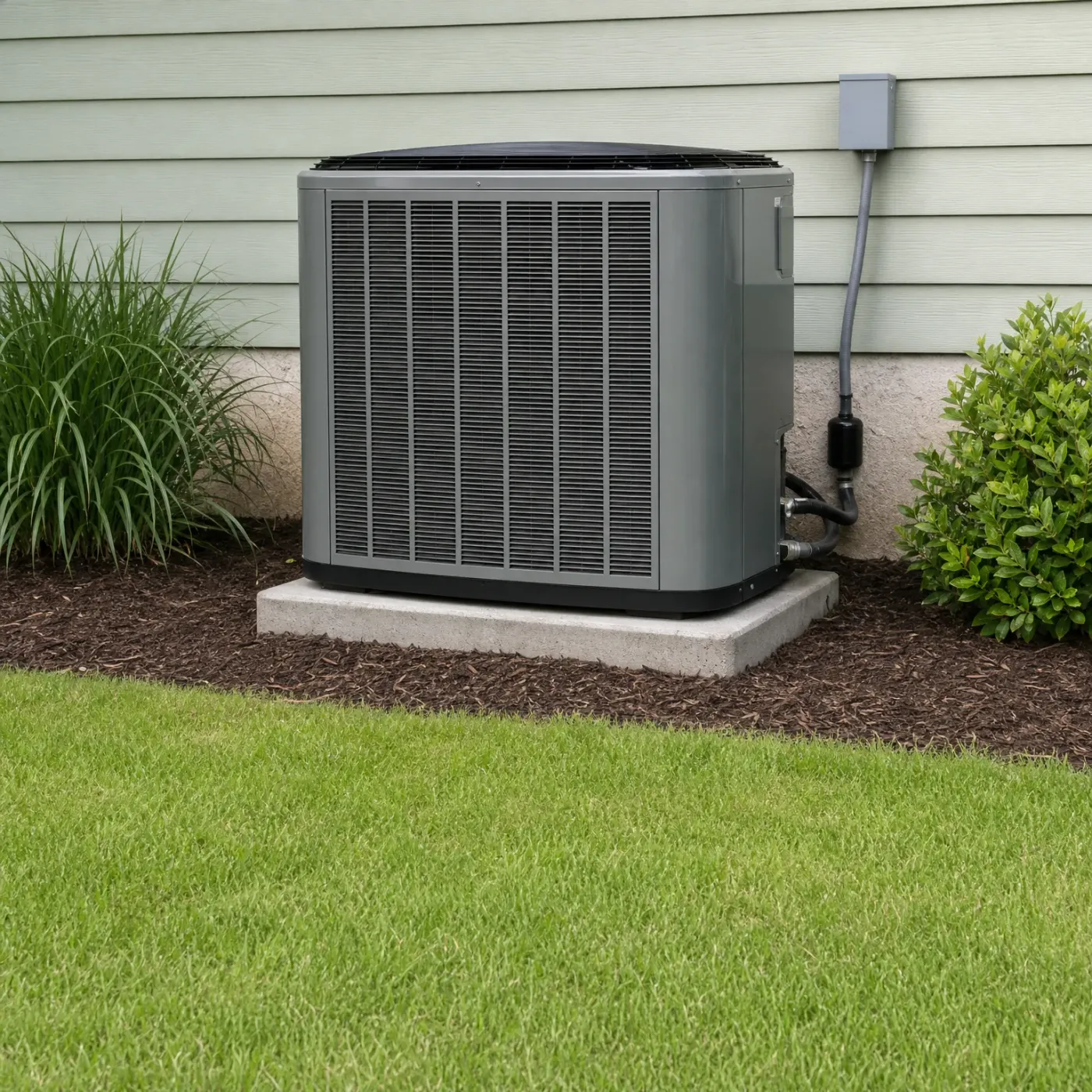
A heat pump doesn't make heat the way a furnace does. It runs a refrigerant through a compressor and pulls warmth out of the outside air, even air that feels plenty cold to you. The trouble is that colder air holds less heat to begin with, so the compressor has to work harder to pull out the same amount of warmth. Somewhere in the teens or lower, depending on the unit, that work stops being worth it and the furnace can do the job for less. When it reaches that point, a backup system takes over. In most North Dakota homes that backup is the gas furnace already installed alongside the heat pump, though some systems rely on electric resistance coils instead. A furnace burns fuel directly, so its heat output stays steady no matter how cold it gets outside. You won't have to manage this switch yourself. A thermostat set to a specific outdoor temperature handles it automatically, shifting the system from heat pump to furnace and back again as the weather moves.
How the switchover actually works
- A heat pump moves heat by compressing refrigerant, pulling warmth out of outside air even when that air feels cold.
- As the outdoor temperature drops, the air holds less heat to pull from, so the compressor works harder for the same warmth inside.
- Most cold climate heat pumps lose ground to a gas furnace somewhere in the teens or lower, the exact point depends on the unit.
- Below that point a backup heat source takes over, either the gas furnace already in the house or electric resistance coils.
- A gas furnace burns fuel directly, so its output doesn't fall off as the temperature outside drops.
- The switchover between heat pump and furnace is usually automatic, controlled by a thermostat set to a specific outdoor temperature.
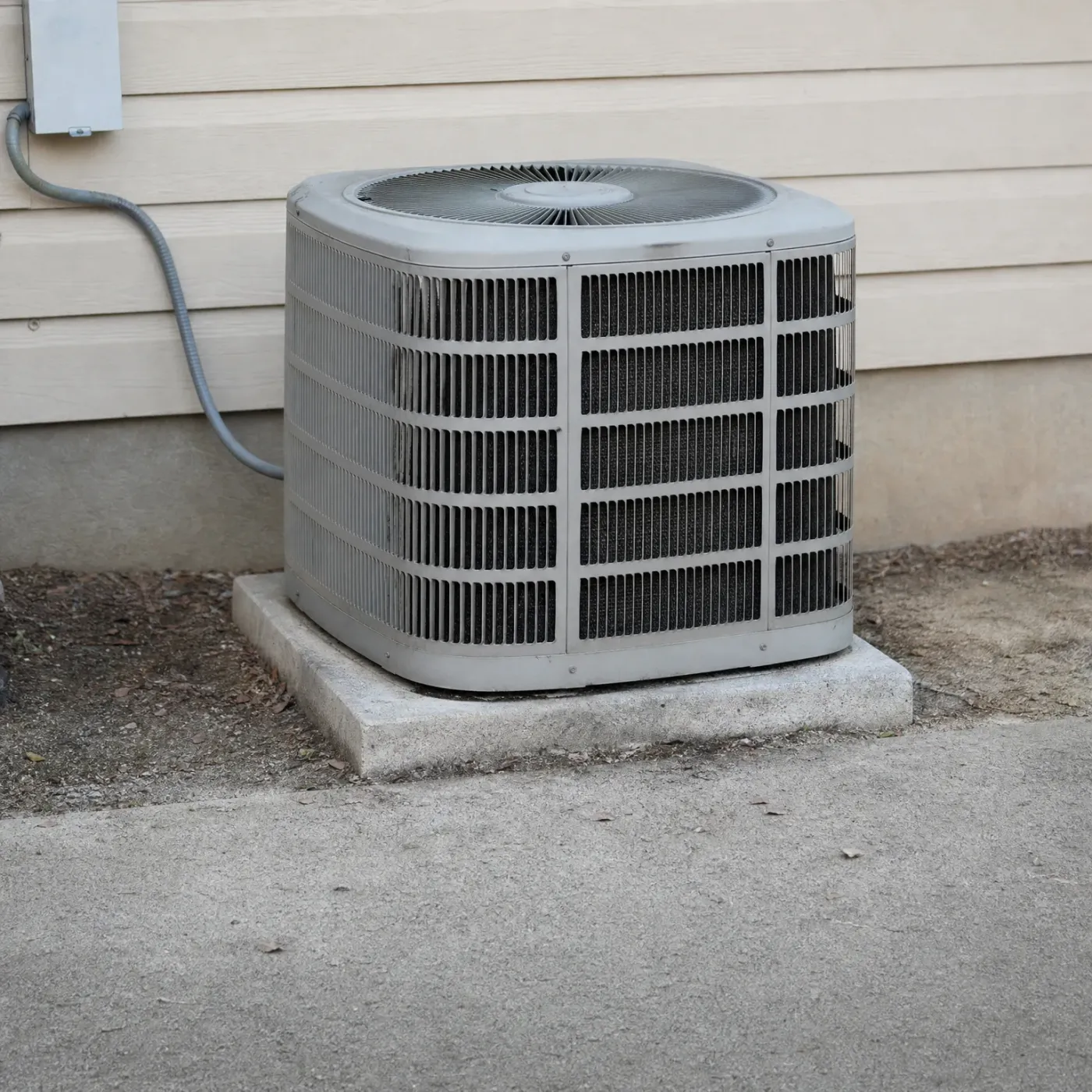




A heat pump pro near you
You already know your heat pump carries most of the winter on its own, and in North Dakota, cheap power is what makes that worth running instead of the furnace. Where it gets harder is knowing when your particular setup stops winning, since that point depends on the unit itself, not just the thermometer. A furnace that kicks in too early or too late costs you money either way, and that balance is set during installation, in how the system is sized and where the switchover is tuned to happen. Getting that wrong on day one means paying for it every cold snap after. A contractor who installs heat pumps in this climate can size the system and set that balance for your house instead of a guess. Send the request and let someone who knows these winters work out where your furnace should take over, so you're not the one testing it against a January night.
A summer dew point of 53°F is what the National Weather Service puts as the June through August average here, and that's dry air by most standards. Your heat pump's compressor barely notices it. In a muggy climate, that same unit would spend a lot of its cooling capacity just wringing water out of the air before the house even feels cooler. Here it doesn't have to work that angle at all, so more of what it's running goes straight into dropping the temperature. You'll notice the house cools faster on a hot afternoon and the system doesn't run as long to get there. It's one less load on the equipment, and in summer that's the whole story.
NASA POWER T2MDEW county cells weighted by homes
Heat Pump or Furnace: Which Runs Cheaper
Heat pump
- Below freezing it keeps heating the house, but it needs more electricity to pull the same warmth out of colder air.
- Cheap power here helps it stay the better buy even as the compressor works harder on the coldest days.
- A cold climate model keeps running well past the point a standard heat pump would give up.
- Once it crosses its balance point, it costs more per degree of warmth than the furnace does.
- No combustion, so there's no gas line or venting to think about on the heating side.
Gas furnace
- It burns fuel to make heat, so the outdoor temperature doesn't change how hard it has to work.
- On the coldest nights of a North Dakota winter, it's the cheaper option to run.
- Gas is what most homes here already heat with, so the furnace is a known cost, not a guess.
- It gives up nothing in output as the temperature drops, unlike the heat pump's shrinking capacity.
- Running it instead of the heat pump above freezing just means paying more than you need to.
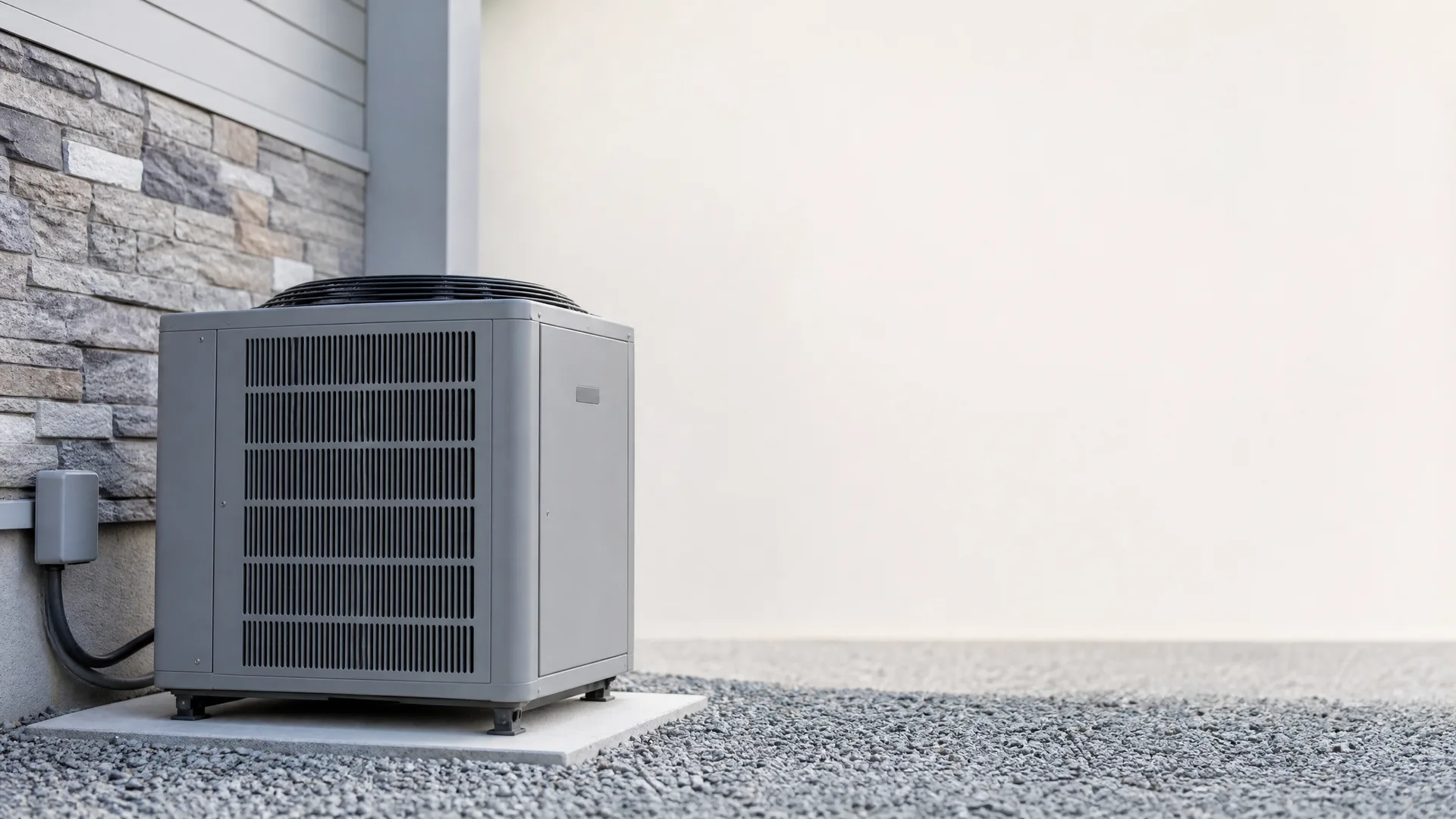
What the thermostat is doing
A heat pump has a balance point, the outdoor temperature where it can no longer pull enough heat from the air to keep up with the house. Above that point it carries the full load. Below it, a backup heat source has to fill the gap. On most cold climate units that balance point sits somewhere in the teens or lower, which is why the furnace still earns its place in a North Dakota winter.
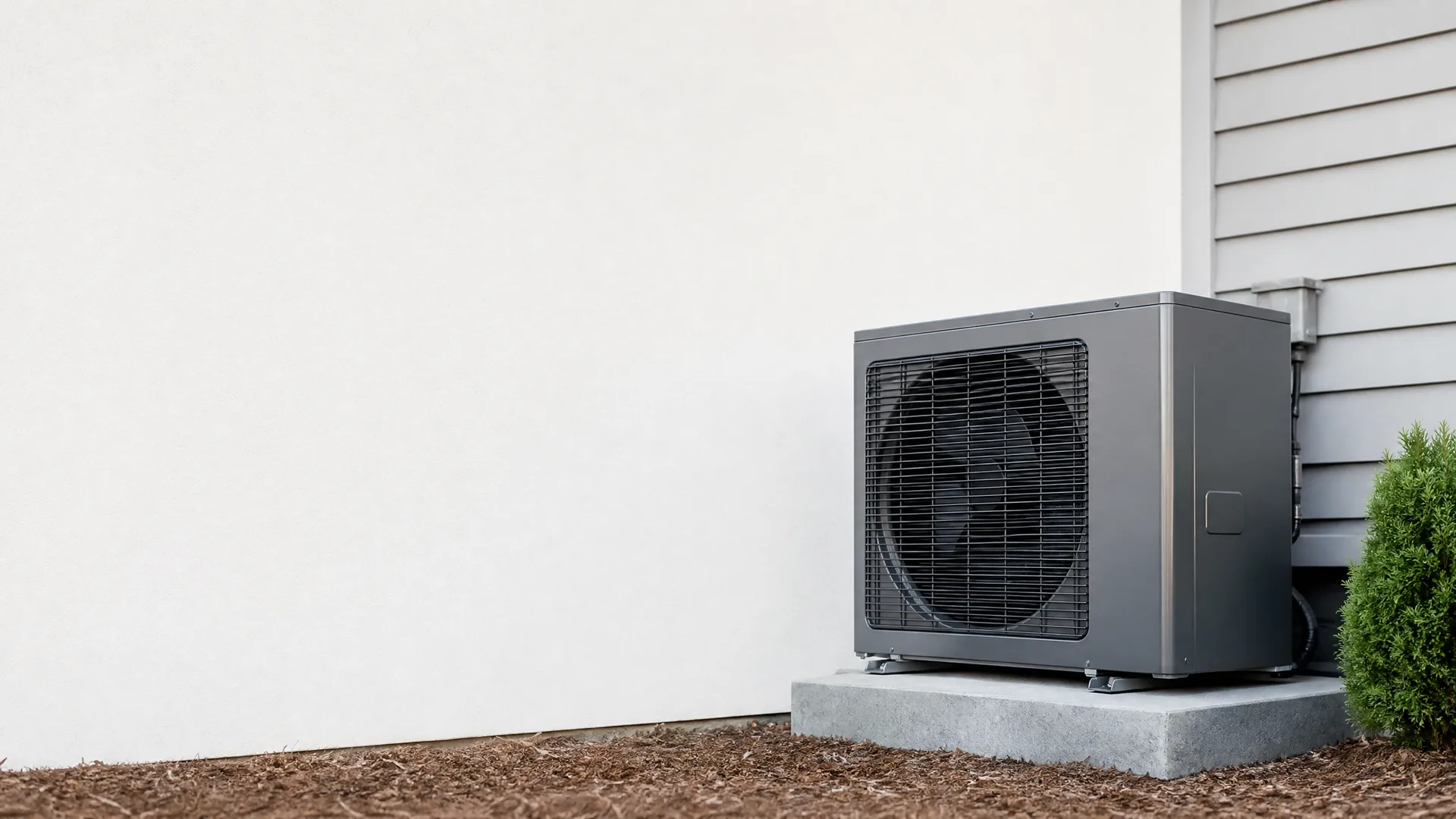
Why the compressor speed matters
A fixed speed compressor runs at one output and cycles on and off. A variable speed compressor ramps up as it gets colder outside, pulling more refrigerant through the system to make up for the thinner heat in the air. That ramping is what lets a cold climate heat pump keep working well past the point where an older single speed unit would give up and hand the job to the furnace.
Power costs 11.82 cents per kilowatt-hour statewide
At that rate, every kilowatt-hour your compressor pulls on a cold morning costs less here than it would almost anywhere else. That's what keeps a heat pump ahead of the furnace on so many days through a North Dakota winter.
EIA-861 2025 statewide residential average
What changes in your house
Once the crossover point hits, your thermostat doesn't care which equipment answers it. The switch to the furnace happens on its own, and from inside the house there's nothing to notice. What you'd see instead, if you looked, is the outdoor unit running less and the furnace kicking on more during that stretch of hard cold. On the mild side of winter, the compressor is doing the work quietly out back. On the cold side, you're back to burning gas the way the house always has. Neither one asks you to do anything differently day to day.
Where the risk actually sits
The risk with a heat pump in North Dakota isn't the cold snaps, it's sizing and setup done wrong from the start. A unit sized for a milder state loses ground sooner than it should, and a backup heat source that doesn't hand off cleanly means the furnace runs more than the math says it needs to. That's not something you can check from a brochure. It comes down to how the system was installed and whether the balance point matches your house and your climate, not just the nameplate rating on the unit.



So which one costs less
Most days, the heat pump wins. Cheap power here means it costs less to run than the furnace right up until the outdoor temperature drops far enough that the compressor can't keep up on its own. Below that point, the furnace takes over, and it's the cheaper option for as long as that cold holds. Neither one is cheaper all winter. Which one is cheaper depends on the day.
Where your particular system's balance point falls, and whether it's set up to make that handoff in a way that keeps your bills low, isn't something a general answer can tell you. That depends on the heat pump itself, how it was installed, and how it's paired with your furnace. A contractor who works on cold climate systems in North Dakota can look at your setup and tell you where you actually stand. Once you request that, you're not the one tracking down who to call. The match comes to you, and the contractor follows up directly.

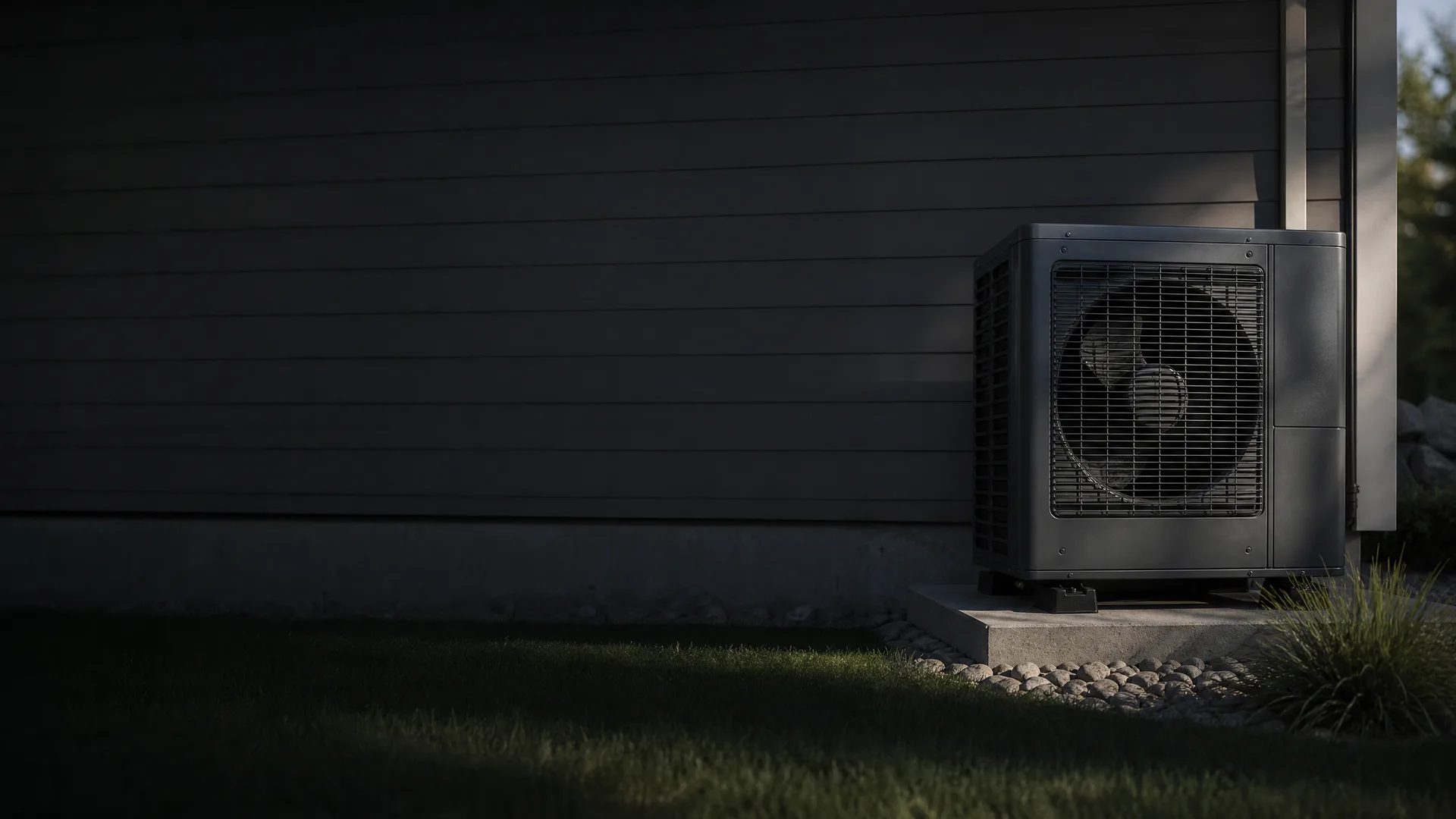
A local pro for your heat pump installation
One request ends the search for a heat pump installer.