Running clean on a mild day
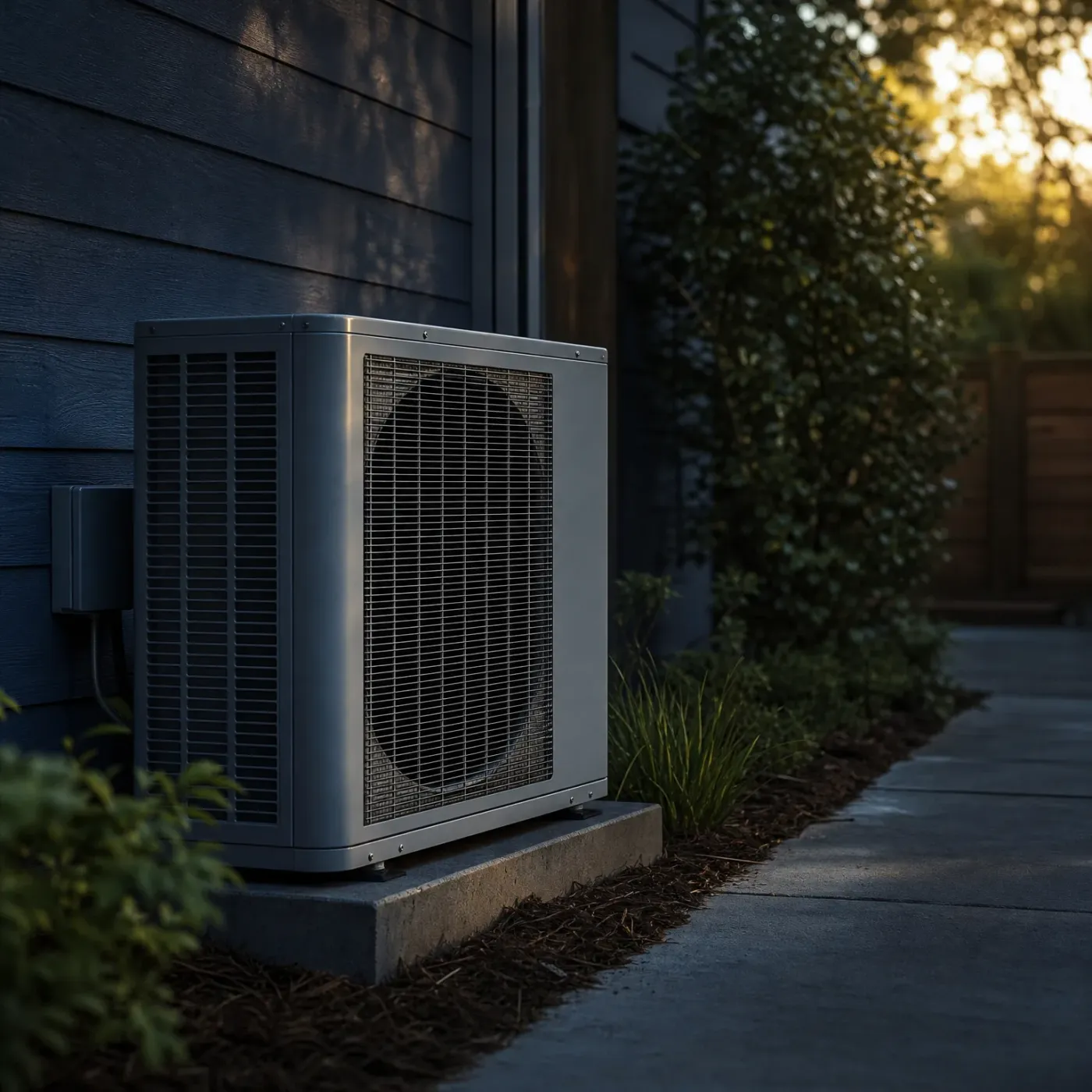
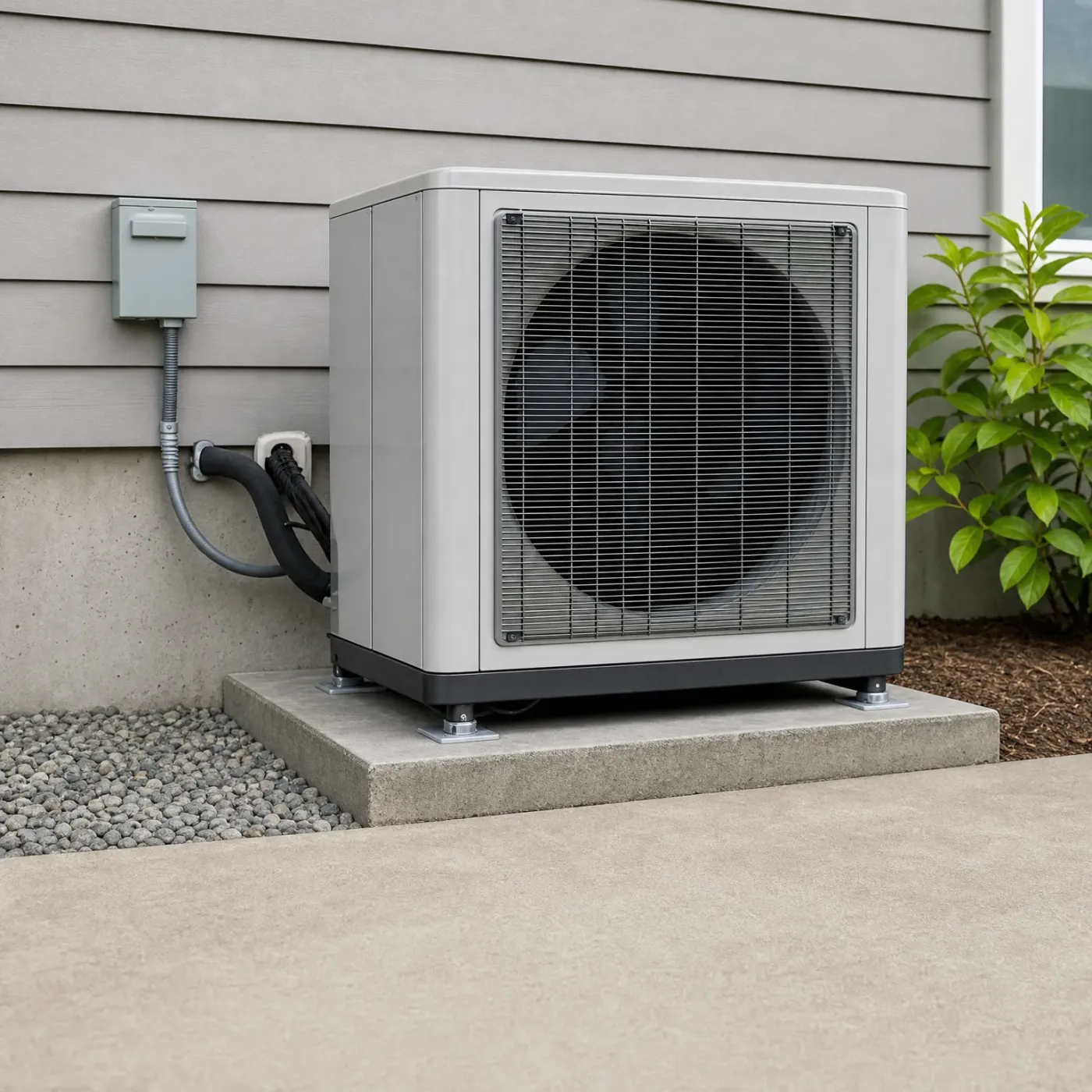
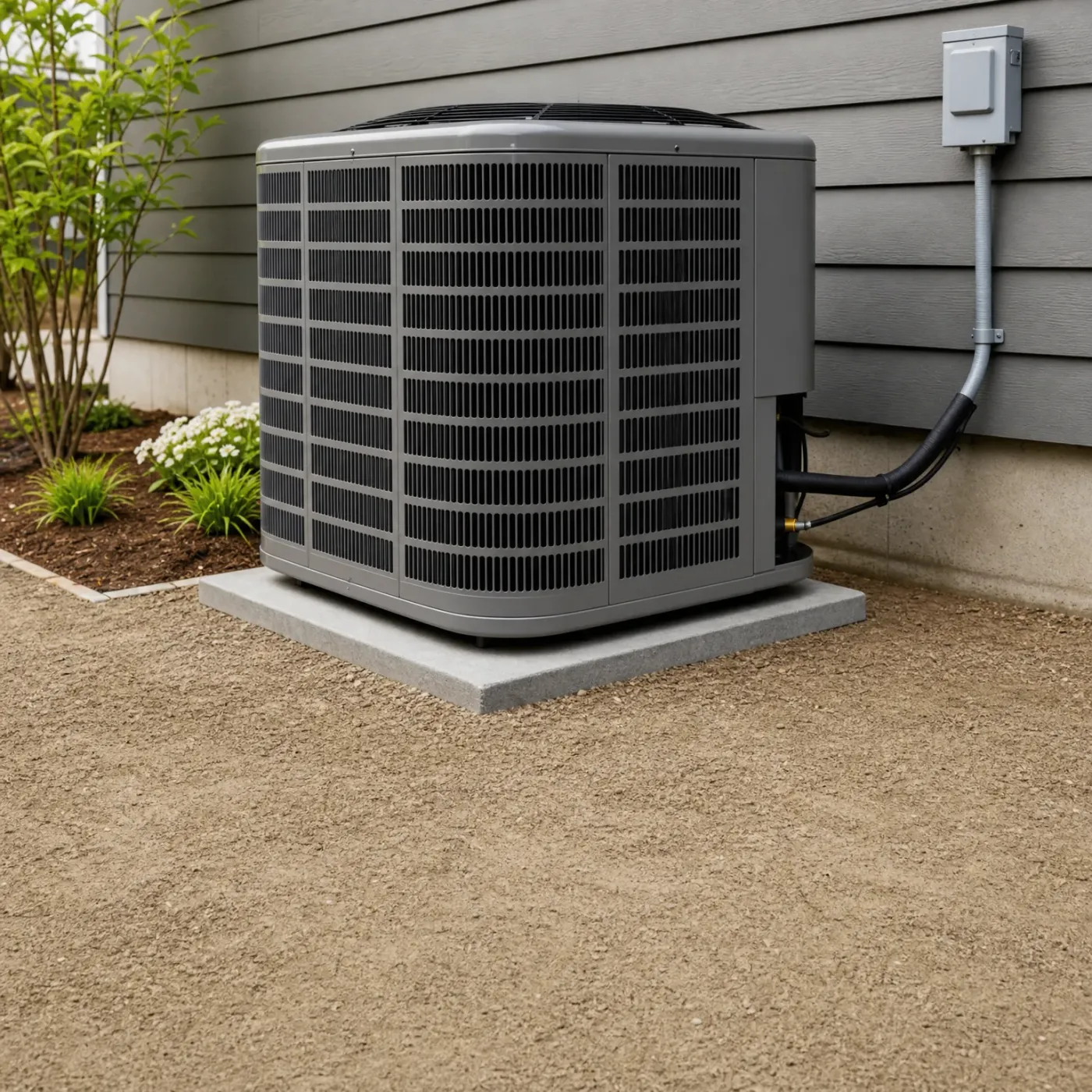
This is what a heat pump looks like doing its job: lines run tight to the disconnect, pad clear, nothing straining. On a 45 degree morning it's pulling heat from that outside air without the furnace ever waking up.
Get your heat pump to the right pro
Cheap electricity and a gas furnace already in the house make the math on a heat pump less obvious here than in other states. This page gets into how the two systems split the work over a North Dakota winter and summer, and when running a heat pump actually makes sense on your bill. Once you've got that straight, a contractor who installs them can look at your setup specifically.
Request a proA heat pump can still be worth it here, but in North Dakota it usually works alongside your gas furnace rather than replacing it. Below freezing, a heat pump has to work harder to pull heat from the outside air, and with gas this cheap, the furnace often costs less to run on the coldest days anyway. Where the heat pump earns its keep is the shoulder months, spring and fall, and through the summer, when it handles both heating and cooling without you running two separate systems. The real savings show up less in the dead of winter and more in how little you use the furnace the rest of the year. If your ductwork and electrical setup can support a heat pump paired with the furnace you already have, it's worth having a contractor look at whether that pairing makes sense for your house specifically, rather than guessing from the thermostat.




If you've got a dual fuel setup, you've probably noticed the furnace taking over on the coldest mornings, sometimes well before single digits. That's the system working as designed, not a failure. What's worth watching is a heat pump that runs constantly without warming the house, or one that's caked in ice on the outdoor unit past what a normal defrost cycle clears. That points to a charge problem or a failing defrost control, and left alone it pushes more of the load onto the furnace than it should carry, which shows up on the gas side of your bill.
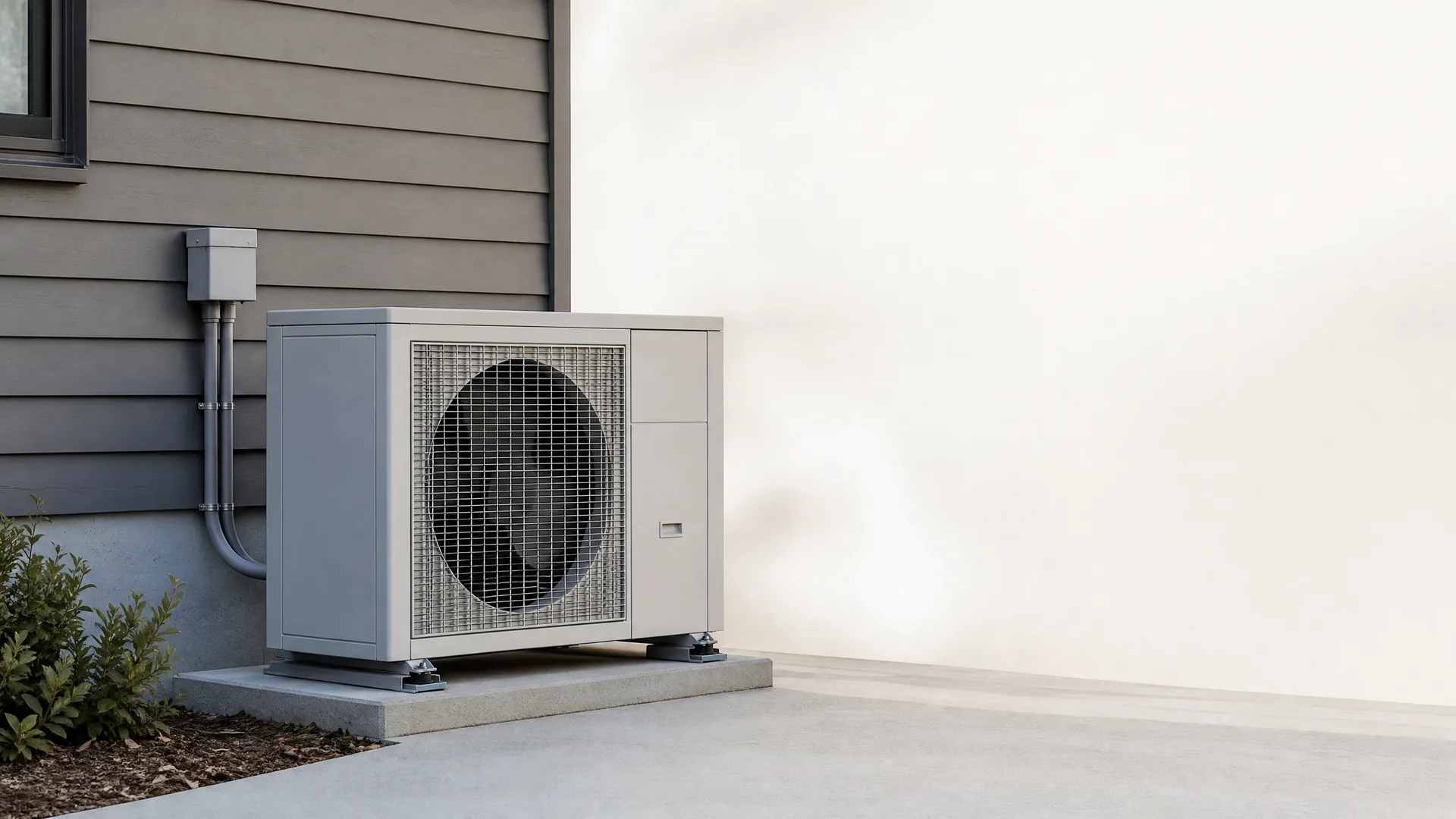
A dual fuel setup has a thermostat or control board that watches outdoor temperature and hands the work to whichever system makes sense. Above the switchover point, the heat pump runs alone and moves heat instead of burning gas to make it. Once the outdoor air gets cold enough that the heat pump can't pull heat efficiently, the board locks it out and starts the furnace. That switchover point gets set during installation, based on your gas rate and your electric rate, not on a guess.
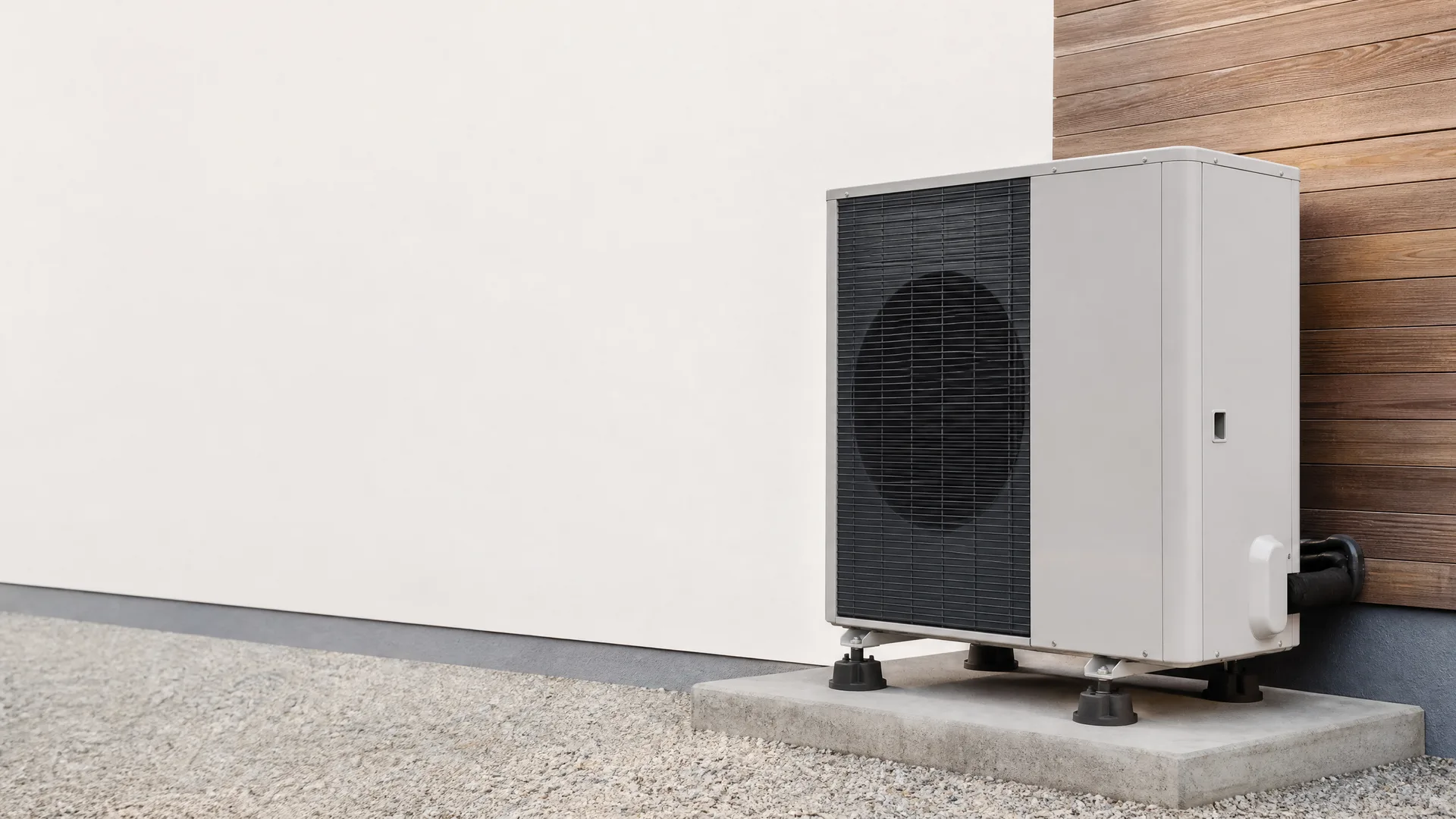
North Dakota summers run warm but the air stays dry, so a heat pump here isn't fighting humidity the way one would in a southern state. It still runs as a straight air conditioner from spring into early fall, moving heat out of the house the same way it moves heat in during winter, just in reverse. That's the half of the year where the heat pump does all the work on its own, no furnace involved, and it's worth factoring into what the equipment earns you over twelve months.

The handoff isn't a guess. A dual fuel control board reads the outdoor temperature and compares it to a setpoint an installer programs in, usually somewhere in the 30s or low 40s. Above that line, the heat pump's outdoor unit keeps running its refrigerant cycle, pulling heat out of air that still feels cold to you but isn't cold to the system. Below it, the board cuts power to the heat pump's compressor and fires the furnace's igniter instead. Your thermostat doesn't change, and the ductwork doesn't change. Only the source of the heat does.
Where that setpoint gets placed matters more in North Dakota than almost anywhere else, because cheap power changes which side of the line saves you money and a furnace that's already in the house changes what you're even comparing against. Getting that number right isn't something a homeowner can eyeball from a manual. It takes someone who can look at your actual furnace, your actual heat pump, and your utility rate, and set the switchover where it belongs for your house. That's the kind of call worth having a contractor walk through with you rather than leaving at a factory default.

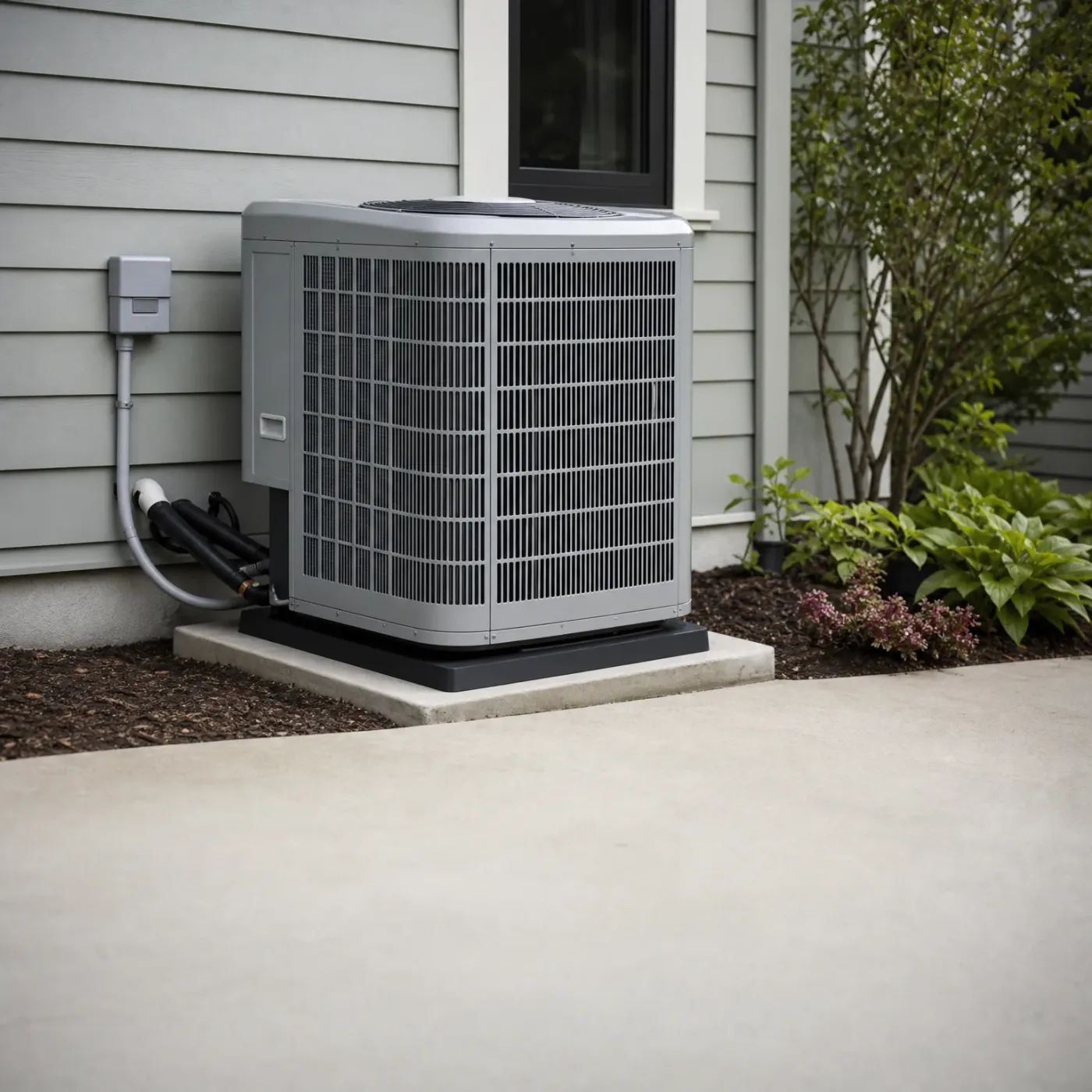
This is what a heat pump looks like doing its job: lines run tight to the disconnect, pad clear, nothing straining. On a 45 degree morning it's pulling heat from that outside air without the furnace ever waking up.
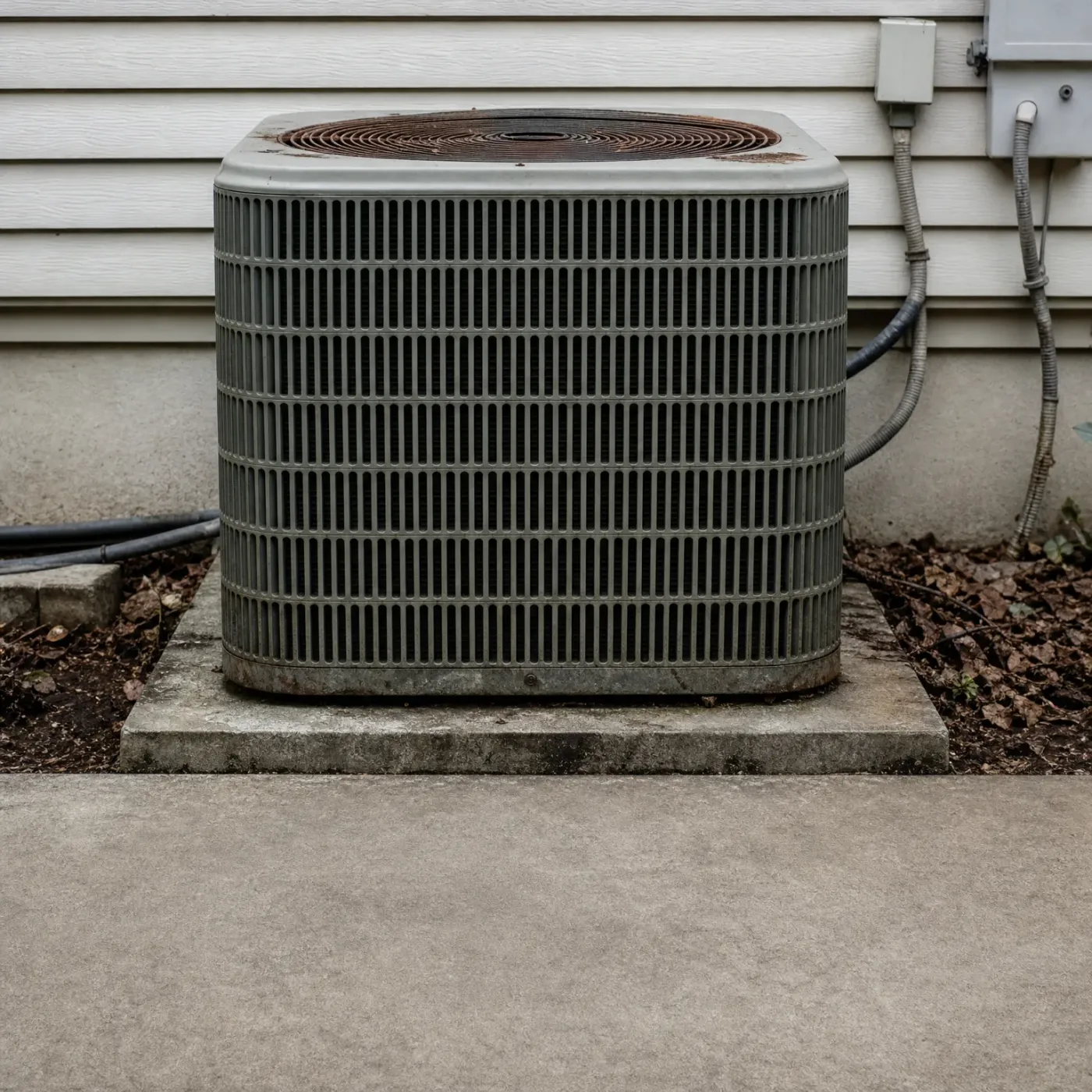
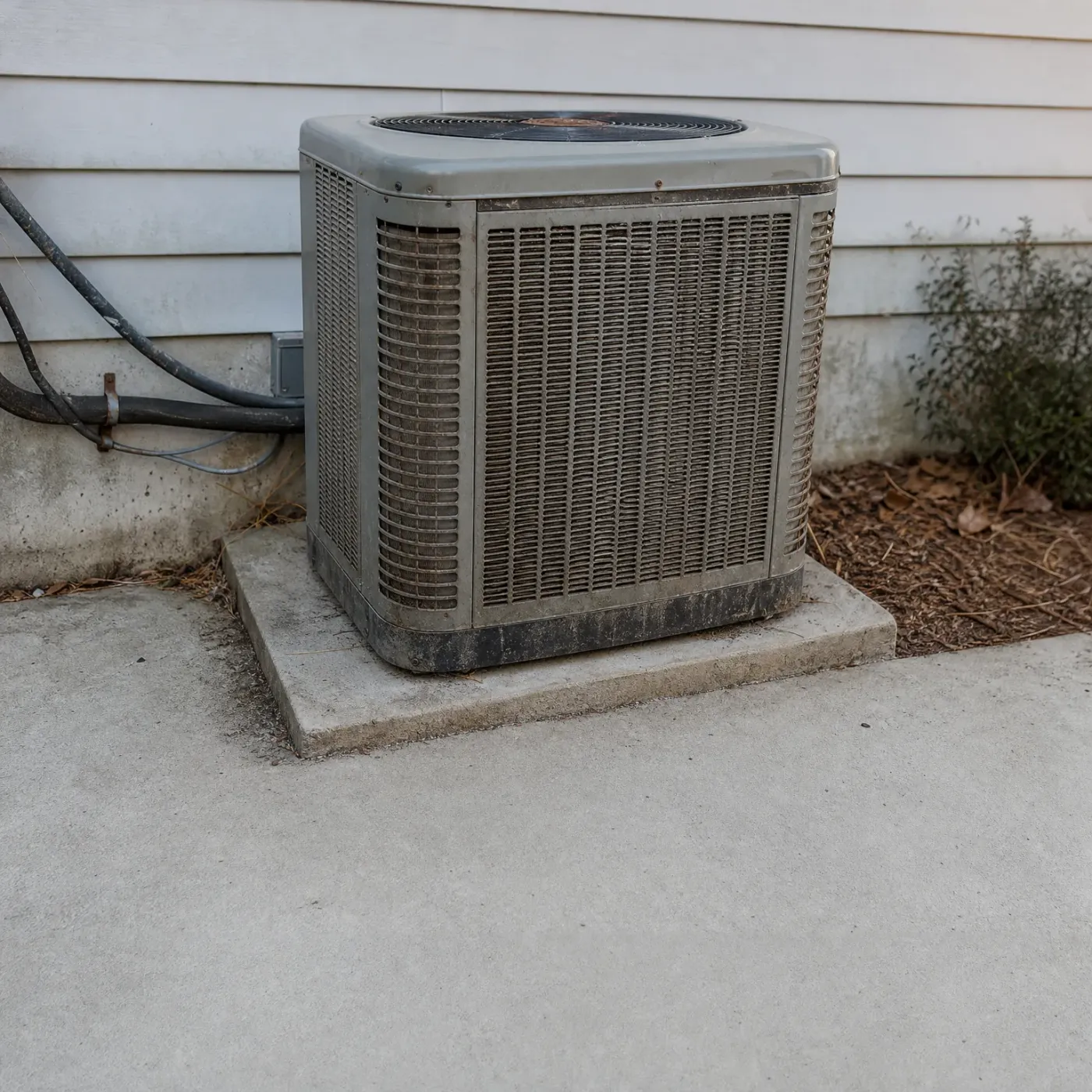
Rust on the grille and dirt packed around the base usually mean years of running without anyone checking the coil or the pad underneath. A unit in this shape struggles to pull heat efficiently, and your furnace ends up covering more of the winter than it should.
Send the form and the search for an installer is over.
No charge to send it. You decide if you hire them.
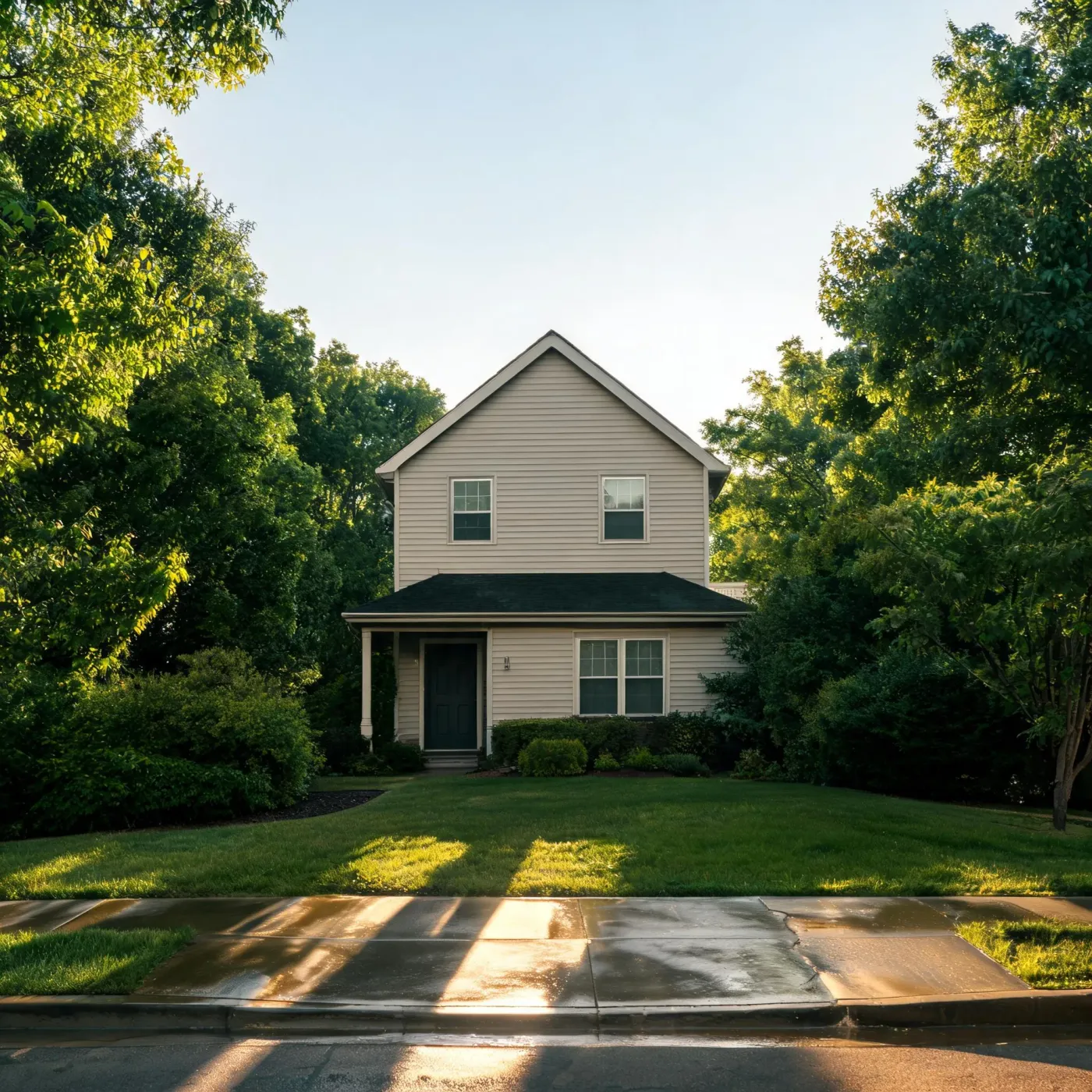
Summers in North Dakota don't carry much weight in the air. Averaged over the season, the dew point here runs 53°F, measured by NOAA, which is the dry side of comfortable. That matters for a heat pump because it isn't fighting moisture to cool the house. It pulls heat out of the air and doesn't have to wring much water out along with it, so the coil isn't working as hard as it would somewhere sticky. You'll notice it in how the system runs: shorter cycles, not that long grinding pull on a humid July night elsewhere. The cooling side of a heat pump has an easy job here. The real question for North Dakota is what happens once the temperature drops, not how it handles summer.
NASA POWER T2MDEW county cells weighted by homes
You've probably watched the two systems trade off without ever seeing anyone touch the thermostat, and it's fair to wonder what's actually making that call. It isn't the heat pump deciding it's had enough. There's a specific piece of equipment reading a specific number, and it hands things off the same way every time.
There's an outdoor temperature sensor wired into the dual fuel control board, usually mounted near the heat pump's outdoor unit. It reports the actual air temperature outside, not what the thermostat inside the house is set to. The board compares that reading against the switchover point an installer programmed in during setup. Cross below that line and the board cuts power to the heat pump's compressor and fires the furnace instead. Cross back above it and the heat pump takes over again. No one has to flip anything. With power this cheap in North Dakota, that setpoint is usually tuned to let the heat pump run as long as it's still the better deal, then step aside before it starts struggling.
At 11.82 cents a kilowatt-hour, your heat pump stays cheap to run above the switchover point, but your furnace is likely burning gas priced low enough that it can still beat electric heat once temperatures drop. That's why dual fuel, not a heat pump alone, tends to make sense on your bill.
EIA-861 2025 statewide residential average
A heat pump in North Dakota earns its keep as part of a pair, not as the whole answer. Your gas furnace is already in the house, gas is priced low, and electricity here runs cheap too, which is what makes the split work instead of forcing a choice. Above the switchover point, the heat pump covers the load on its own, moving heat instead of burning anything, and it costs less to run per hour while it's doing that job. Once outdoor temperatures drop past the 30s or low 40s, the math flips, and the furnace can beat electric heat on cost even with a heat pump in good shape. That handoff happens on its own, through a control board watching outdoor temperature, so you're not standing at the thermostat deciding anything. Summer asks less of the system here. A dew point around 53°F means the heat pump is removing heat without fighting humidity, so it isn't working as hard as it would somewhere muggier. What determines how well any of this plays out is upkeep on the outdoor unit. A heat pump with a clean coil and a clear pad moves heat efficiently on both sides of the switchover point, winter and summer. Let dirt build up on the fins or let something crowd the pad, and the unit leans harder on the furnace than it should, even above the point where it's supposed to carry the load alone. Run as a pair, a heat pump and a furnace split the year by what each one does better, and that's the case for installing one here.


Matched to your heat pump job
Send the form and stop researching installers for the new heat pump.