Get your heat pump to the right pro
Repair or replace a heat pump in North Dakota
A heat pump in North Dakota has to handle real cold, and at some point you're stuck deciding whether another repair makes sense or whether it's time to replace the thing. This page walks through how to tell. Skip the calls around to contractors and the repeat explanations. Answer a few questions and a contractor who works on heat pumps in your area will reach out to you directly.
Find a pro near meMost heat pump trouble in North Dakota shows up the same way: the unit runs but can't keep the house warm once temperatures drop into the single digits or below zero. Below that point, a heat pump alone struggles to pull enough heat from the outside air, so if yours is losing the fight on the coldest days, that's often the design limit, not a failure. The real repair-or-replace decision usually comes down to the backup heat and the age of the outdoor unit. If the backup coil or strip heat isn't kicking in, or the defrost cycle isn't clearing frost off the coil, that's often a fixable problem. If the compressor itself is failing after years of cycling through harsh winters, replacement tends to make more sense than sinking money into an old unit. A contractor who inspects the system can tell you which situation you're actually in.
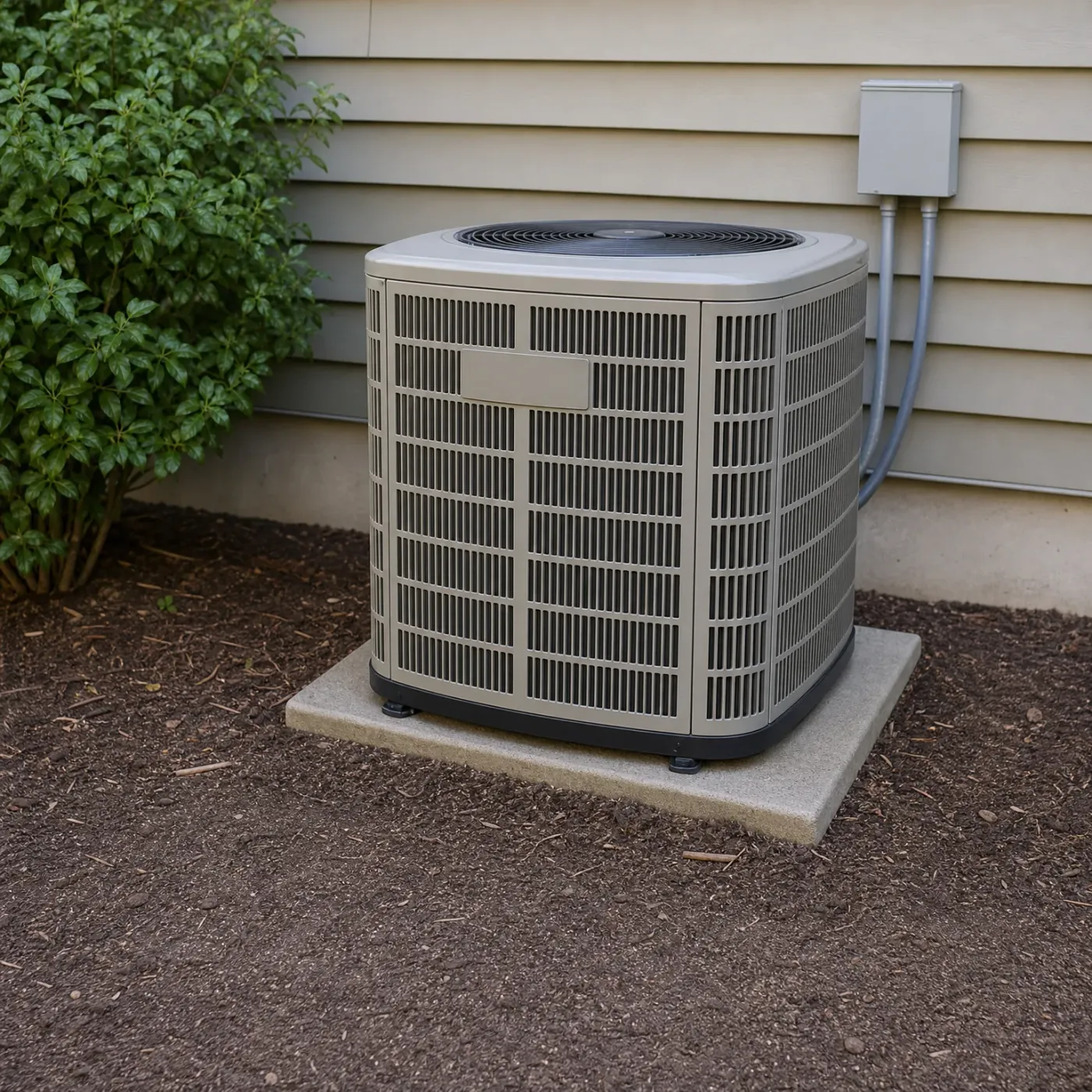
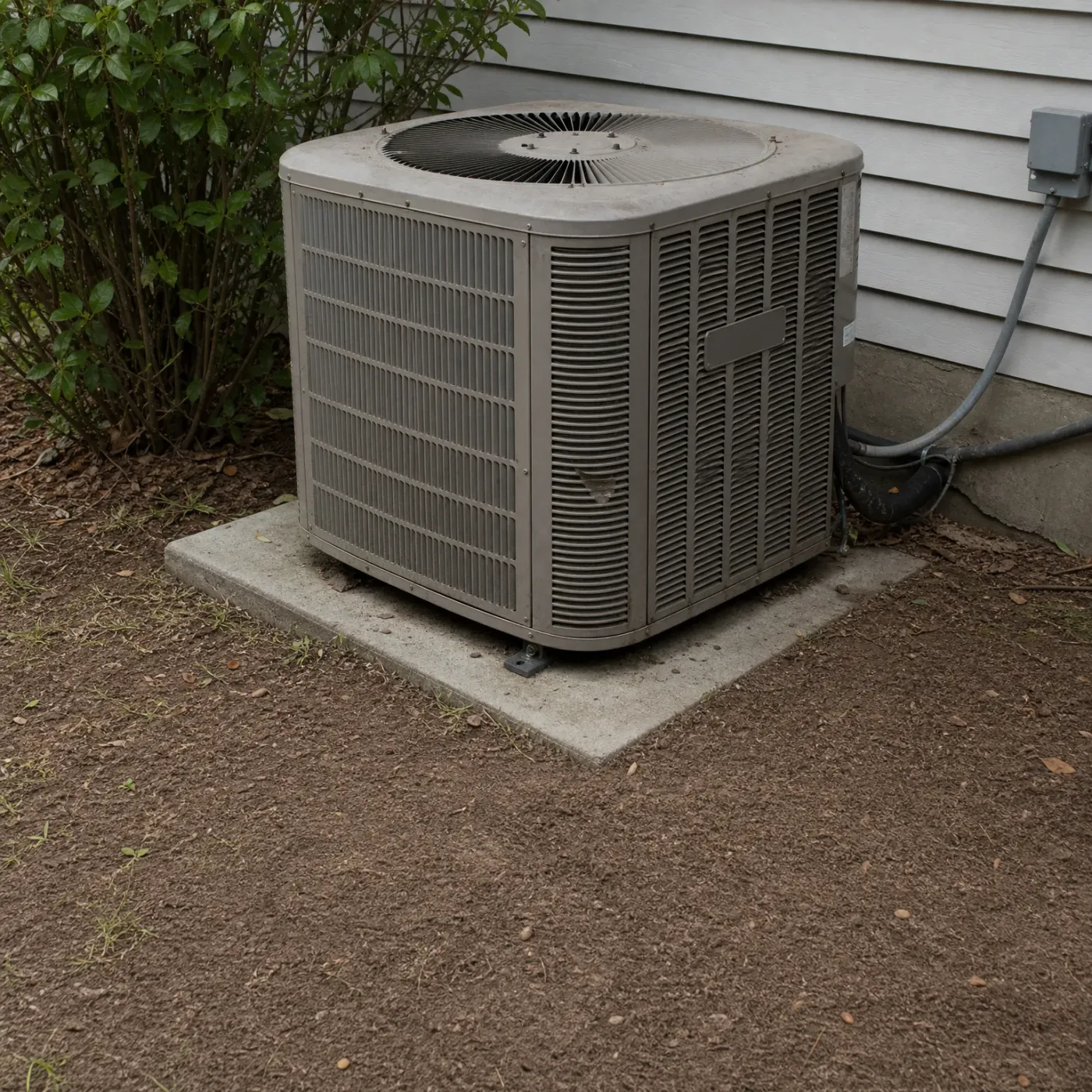
A heat pump doesn't burn anything to make heat. It pulls warmth out of the outside air and moves it inside, which is why it can struggle once North Dakota's cold really sets in. Most systems are paired with a gas furnace for backup, and the unit hands off to it automatically once the outdoor temperature drops past a certain point. That handoff point is the balance point, and it's worth paying attention to. If your system used to run fine down to single digits and now switches to the furnace at 25 degrees, that's a sign it's lost capacity somewhere. Inside the unit, a part called the reversing valve is what lets it switch between heating and cooling. If that valve sticks, you can lose heat even though the rest of the system seems to be running. Frost on the outdoor coil in winter is normal and should clear on its own during a defrost cycle. A unit that's short cycling, kicking on and off every few minutes, usually points to low refrigerant or a bad sensor, not something to leave alone.
How a heat pump actually works
- A heat pump moves heat instead of making it, pulling warmth from outside air even when it's cold out.
- Below a certain outdoor temperature, most heat pumps switch over to backup heat, usually the gas furnace, to keep the house warm.
- That switchover point is called the balance point, and a unit that's losing capacity will switch over sooner than it used to.
- The reversing valve is what lets the system flip between heating and cooling, and a stuck valve can leave you without heat.
- Frost on the outdoor coil is normal in winter, but the defrost cycle should clear it off every so often on its own.
- A heat pump that short cycles, turning on and off every few minutes, is often low on refrigerant or has a failing sensor.




Most homes here pair the heat pump with a gas furnace for backup heat, and that furnace is also what keeps power being cheap from mattering much to your winter bill.
So the question isn't whether the heat pump can survive a North Dakota winter alone. It's whether it's still switching over to backup heat at the right point, or struggling long before it should.
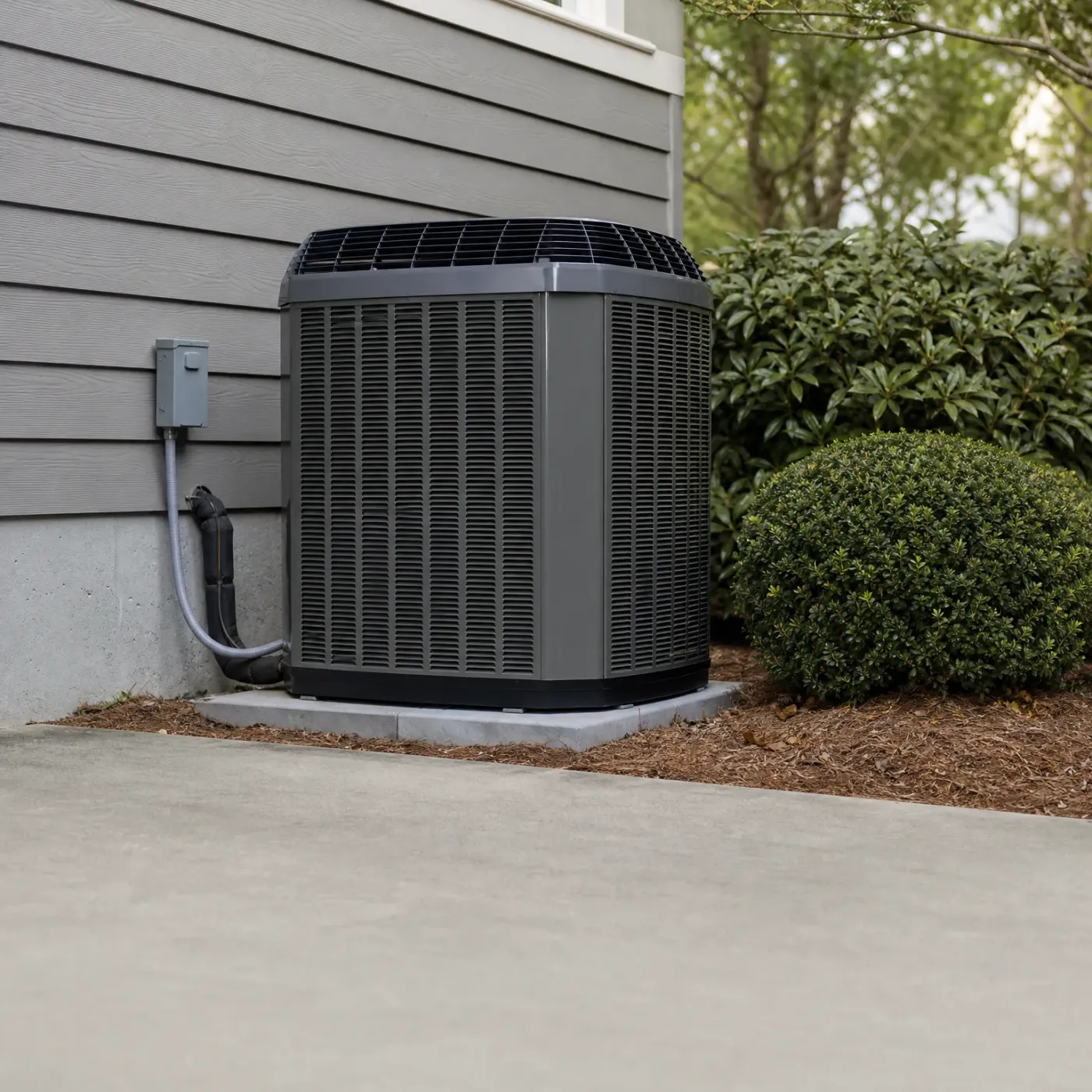
The right pro for this job
A heat pump paired with a gas furnace is a split decision: the furnace carries the hard cold, the heat pump carries the rest. That split is exactly why deciding whether to fix the old unit or replace it is harder here than it looks. A repair might get you through this winter fine, since the furnace is doing the heavy lifting anyway, or it might be money spent on a unit that's already losing the mild-weather months it's supposed to handle. Figuring that out means getting someone out to actually look at the unit, which usually turns into several calls, repeating the same symptoms each time, and weighing quotes that aren't built the same way. Handing that off means one contractor who works on heat pumps in North Dakota winters looks at your specific unit and tells you what it needs, instead of you trying to guess from the outside whether the compressor's still got years in it or the furnace is about to start carrying the whole house alone.
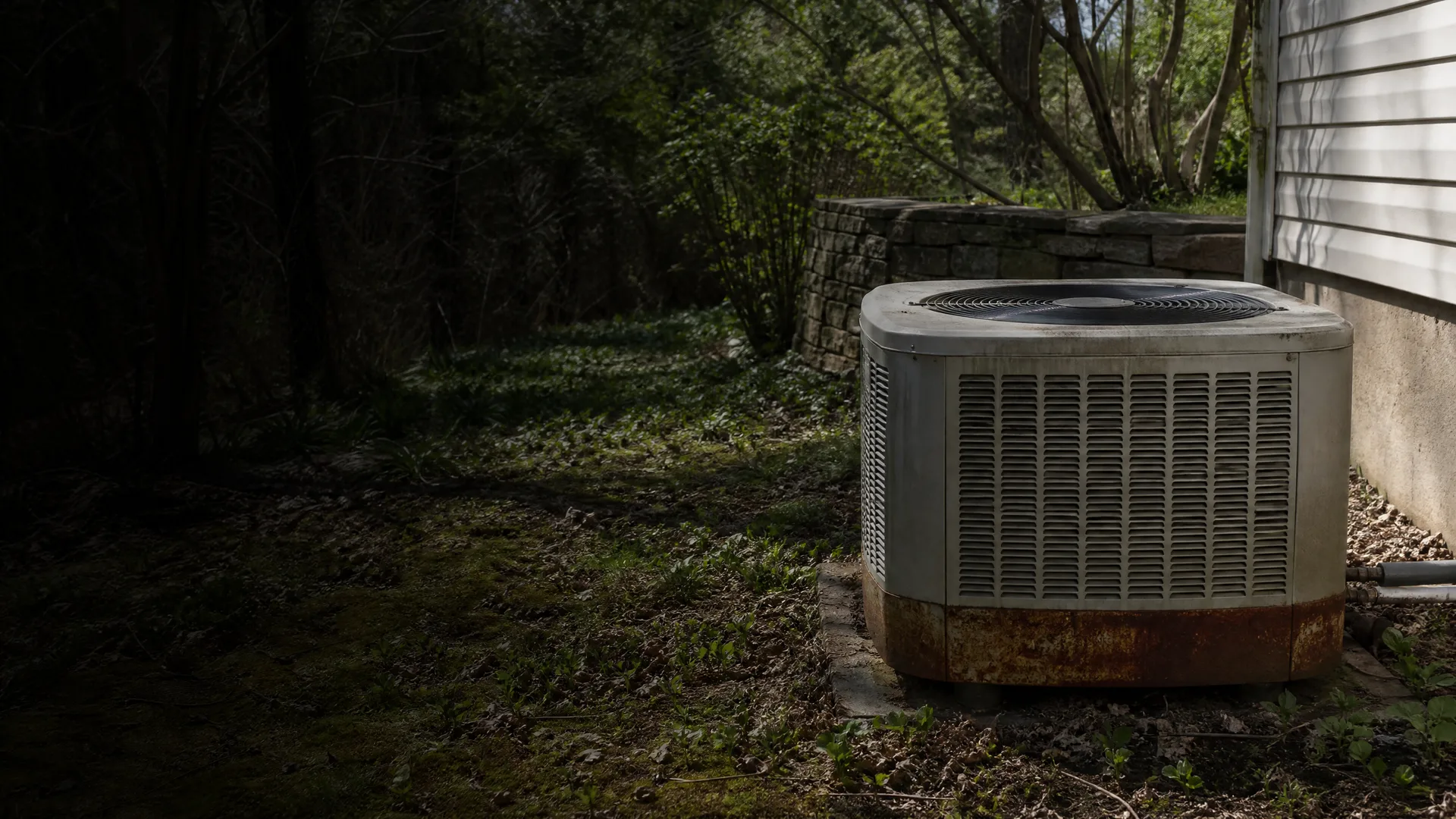
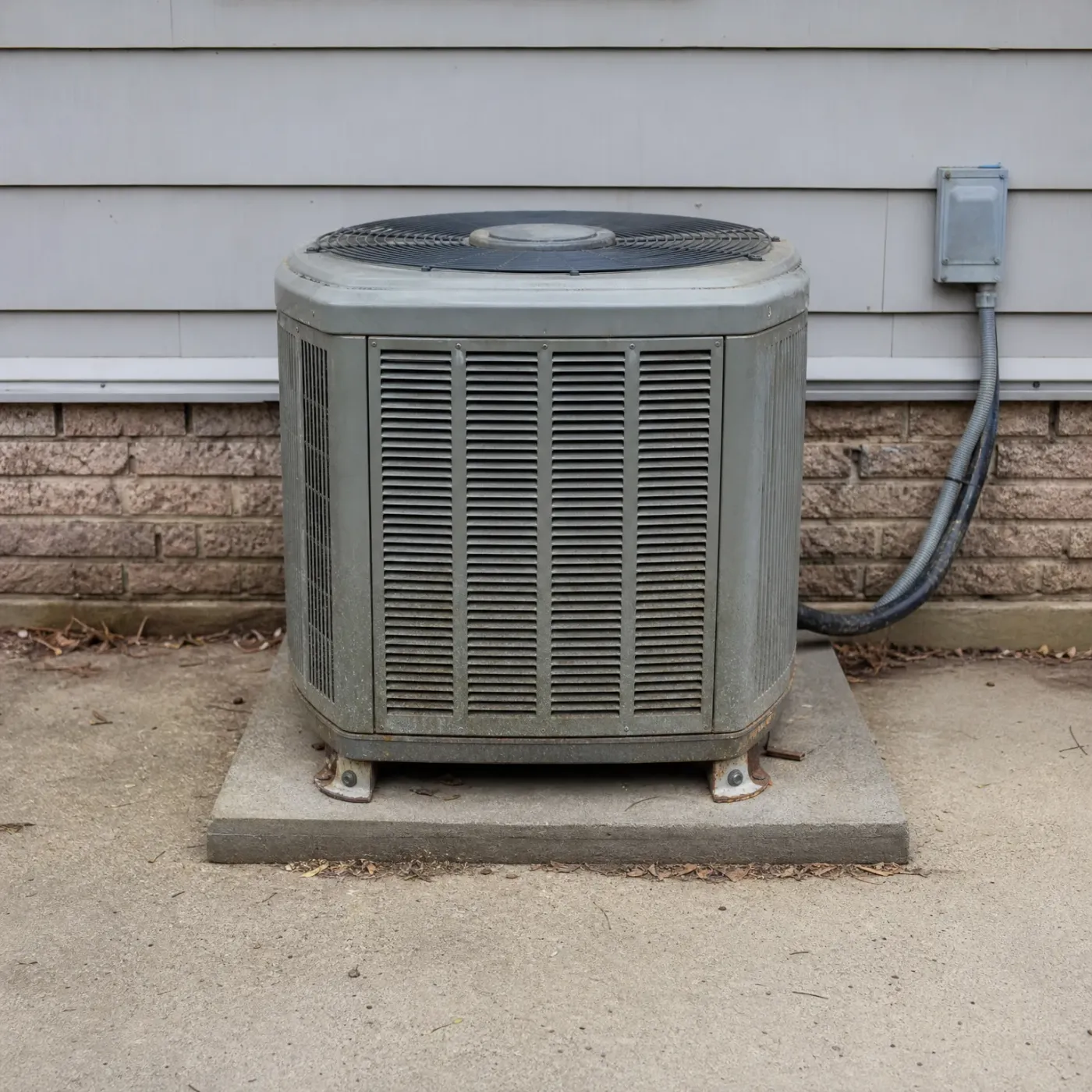
The frost is finally out of the ground, and you're out in the side yard checking on things after the melt. The outdoor unit is sitting where it always has, and you notice the rust along the base for the first time this year, worse than last spring. The cover's still speckled with salt and grit from the plow pile that sat near it all winter. You nudge the panel with your boot and a few flakes come off. It ran fine enough through the cold, the furnace carrying the worst of it like always, but seeing the rust up close has you wondering how many more winters this one has left in it.
Power costs 11.82 cents per kilowatt-hour statewide
At 11.82 cents a kilowatt-hour, the heat pump side of your bill stays modest even when it's doing most of the work in spring and fall. The real cost swing still comes from the furnace once deep cold sets in, not from running the heat pump itself.
EIA-861 2025 statewide residential average

The thermostat calls for heat and the reversing valve switches modes.
Refrigerant in the outdoor coil absorbs heat from the outside air.
A compressor pressurizes that refrigerant, raising its temperature further.
The indoor coil releases that heat into air moving through the ducts.
How do I know if my heat pump's defrost cycle is working right?
Frost on the outdoor unit worries a lot of people, but some frost in winter is normal. What you're really asking is whether the unit is clearing that frost on its own the way it's supposed to, or whether it's building up into a solid layer that won't go away. That difference tells you a lot about whether the defrost cycle is doing its job.
A light, even frost that clears on its own every so often is normal
A working defrost cycle checks the outdoor coil periodically, and when frost builds up past a certain point, it reverses briefly to melt it off before going back to heating. You'll see steam coming off the outdoor unit for a few minutes during that reversal, and that's normal. What's not normal is frost or ice that stays thick and keeps growing, especially a solid sheet covering the coil or ice forming around the base of the unit. That usually means the defrost cycle isn't triggering when it should, or the unit can't fully clear what builds up. In North Dakota winters, a defrost cycle that isn't working right will show up fast, since the unit is working hard enough to frost over often.
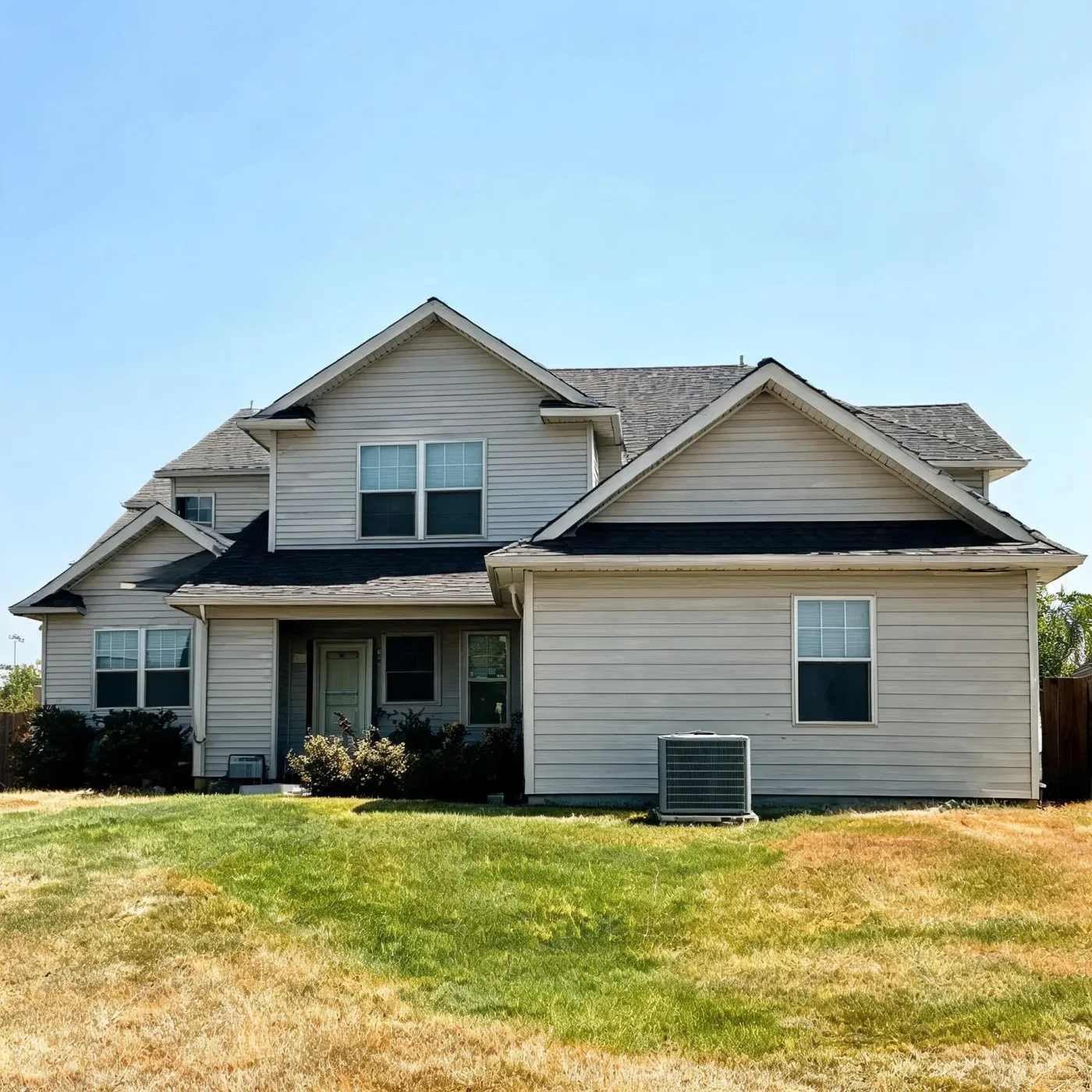
That same furnace that carries the hard cold also means summer barely shows up on your bill. Dew points here average 53°F across June, July and August, the figure NOAA uses to show how heavy the outside air feels. That's dry air, nothing like the thick, sticky heat other parts of the country deal with. Your heat pump isn't fighting humidity to cool the house, so it doesn't run as long or as hard to get the job done. You'll notice it in how little you think about the AC side of the system all summer. Where this unit earns its keep is the opposite season, pulling heat out of cold air, not pulling moisture out of mild air.
NASA POWER T2MDEW county cells weighted by homes

So which one is it: fix it or replace it
If the unit heats the house through a cold snap and hands off to the furnace at the right point, a repair makes sense. If it's running constantly, can't clear frost, or the furnace is carrying weight it shouldn't have to yet, you're looking at replacement. The split system you already have, heat pump for the mild stretch, furnace for the deep cold, doesn't change. What changes is whether the heat pump side is still doing its part of that job.
Getting to that answer usually means calling a few contractors, walking each one through the same symptoms, and sorting through quotes that don't line up with each other. Answer a few questions here instead, and a contractor who knows North Dakota heat pump systems gets in touch directly, already knowing what you're dealing with. No promise about what they'll find once they're out there, just one conversation instead of several.

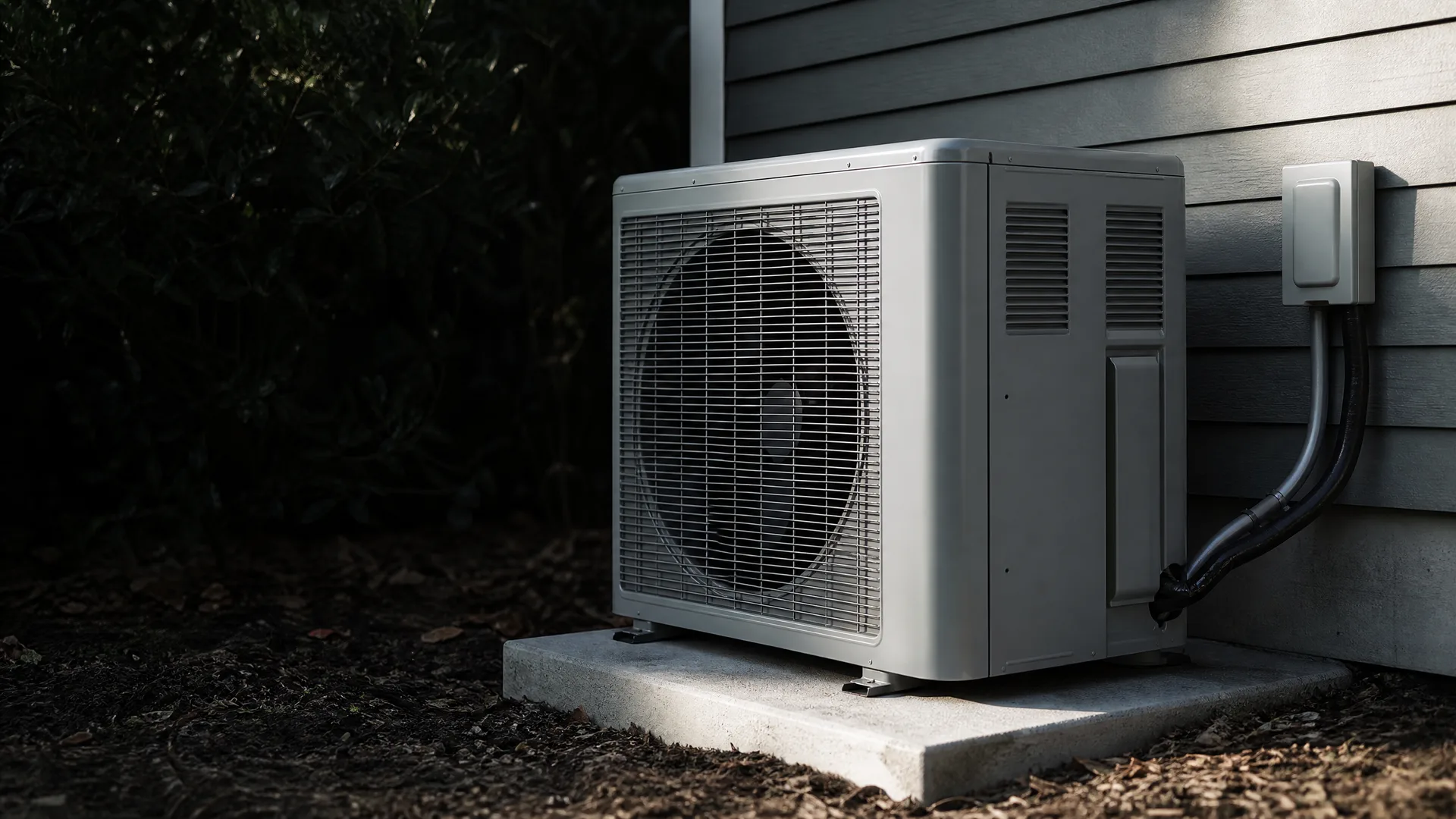
Matched to your heat pump job