What auxiliary heat means on a North Dakota heat pump

Step 1 of 3: Equipment

Why does my heat pump say "aux heat" when it's cold out?

North Dakota winters push well below freezing, and once they do, your thermostat starts showing "aux heat" more and more. You're probably wondering if that means something's wrong with the heat pump, or if it's just working harder and costing you more to do it.

It means the heat pump can't pull enough heat from the outside air by itself

A heat pump moves heat from the outside air into your house, and the colder that air gets, the less heat there is to move. Below a certain outdoor temperature, usually somewhere in the teens or lower, the heat pump alone can't keep up with the heat your house is losing. At that point the system brings on auxiliary heat, a backup electric heating element, to make up the difference. On a North Dakota night in January, seeing "aux heat" on the thermostat is normal, not a sign of trouble. It becomes worth a call if it's running constantly on a mild day, or if the house still feels cold with aux heat on.

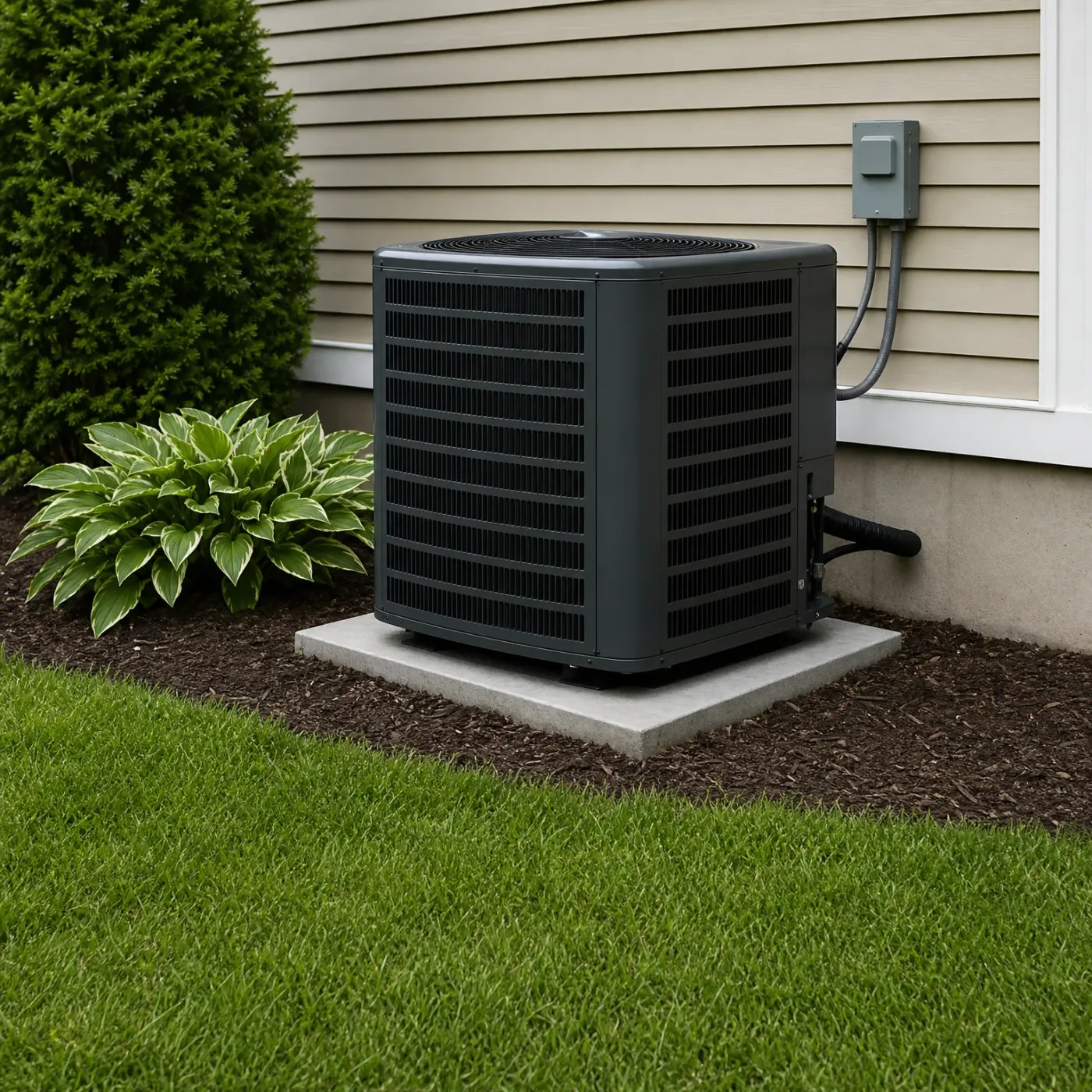
A dark gray outdoor condenser unit on a concrete pad beside a house with beige horizontal siding, with a gray electrical disconnect box and conduit on the wall, mulch beds, a hosta plant, a shrub, and mowed lawn in front.

Aux heat doing its job

Here, the outdoor unit sits clean and clear, nothing blocking the grilles. On a cold night it runs, then your thermostat switches to aux heat because the air outside is too cold for the heat pump to pull much warmth from. That's normal. The unit comes back to handling things once it warms up a little.
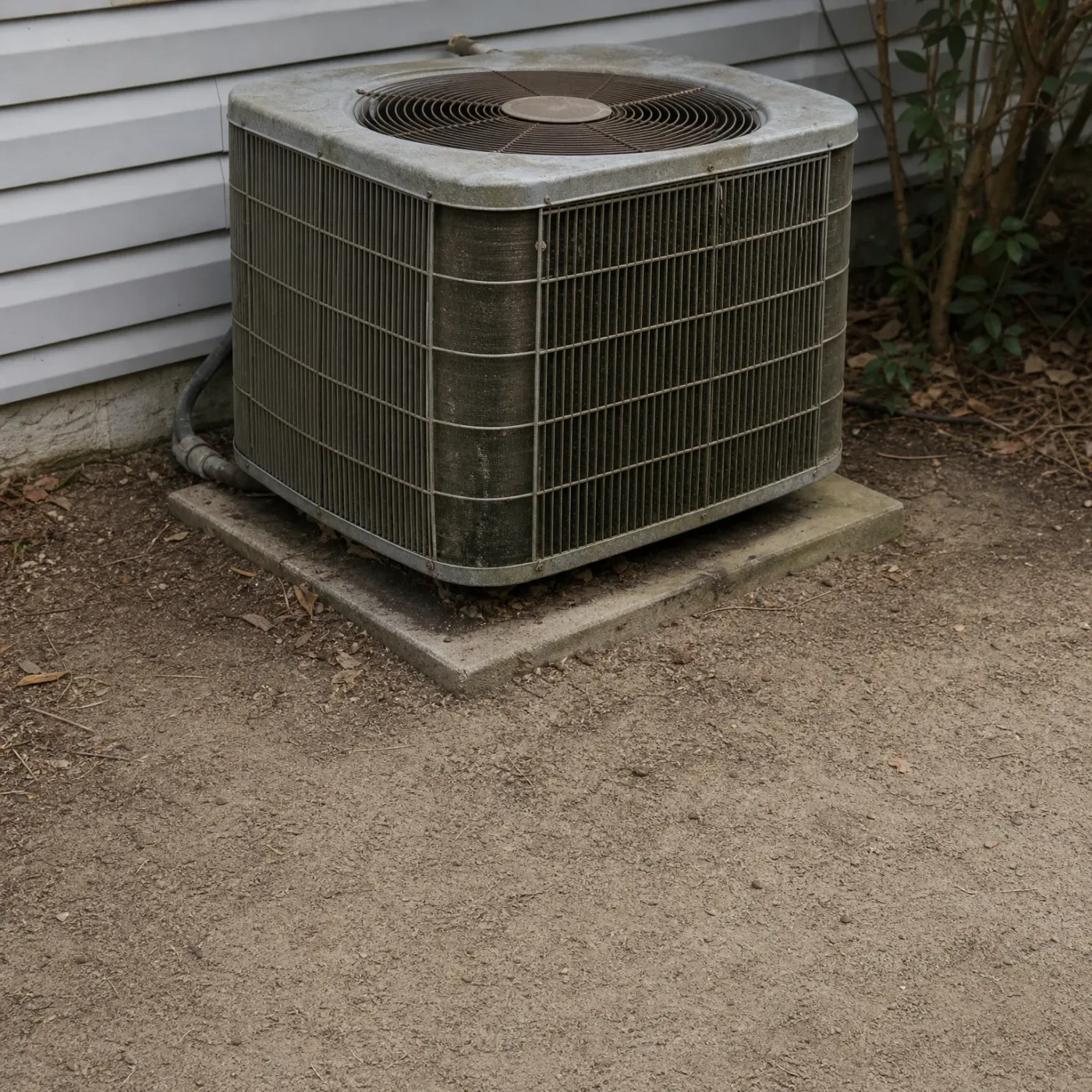

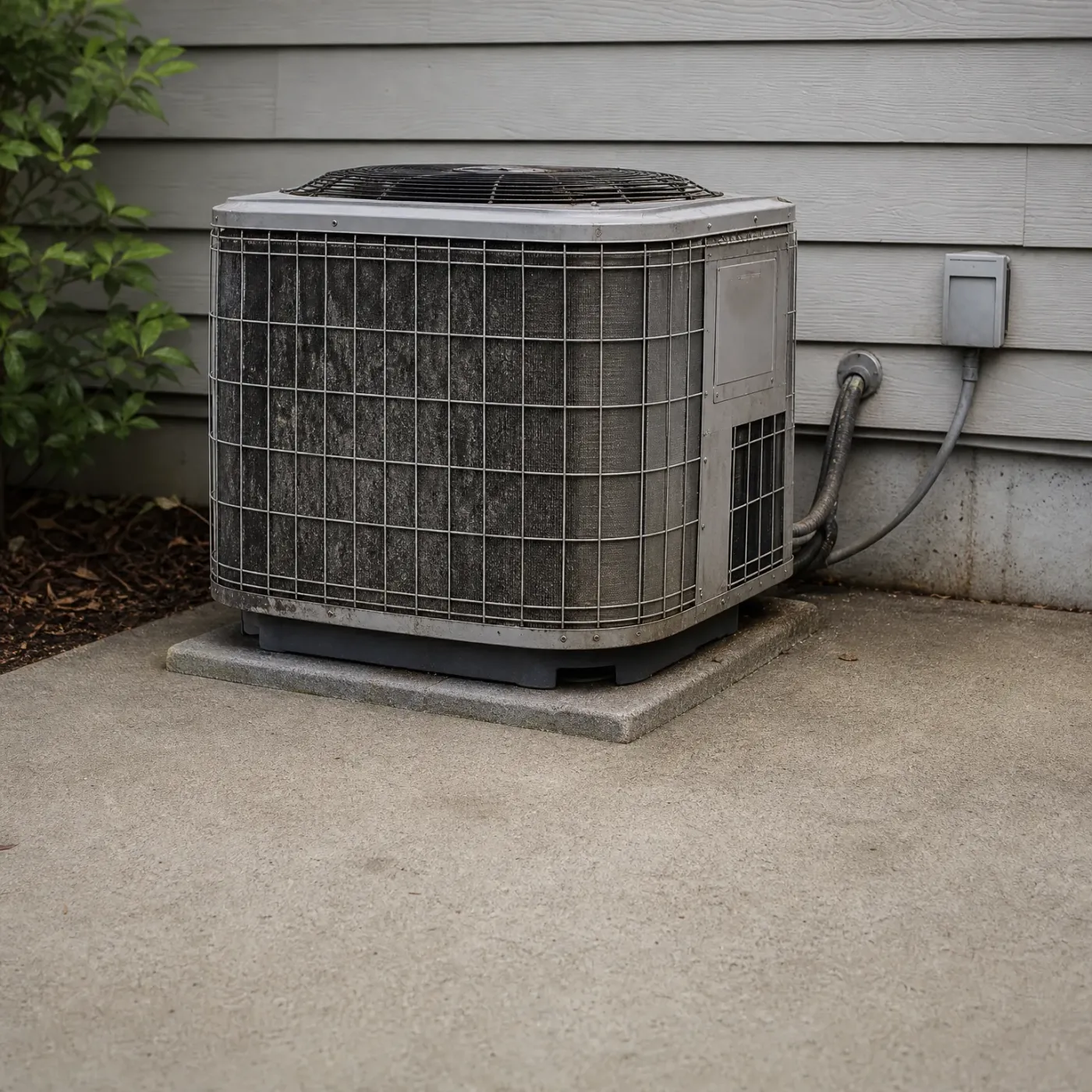
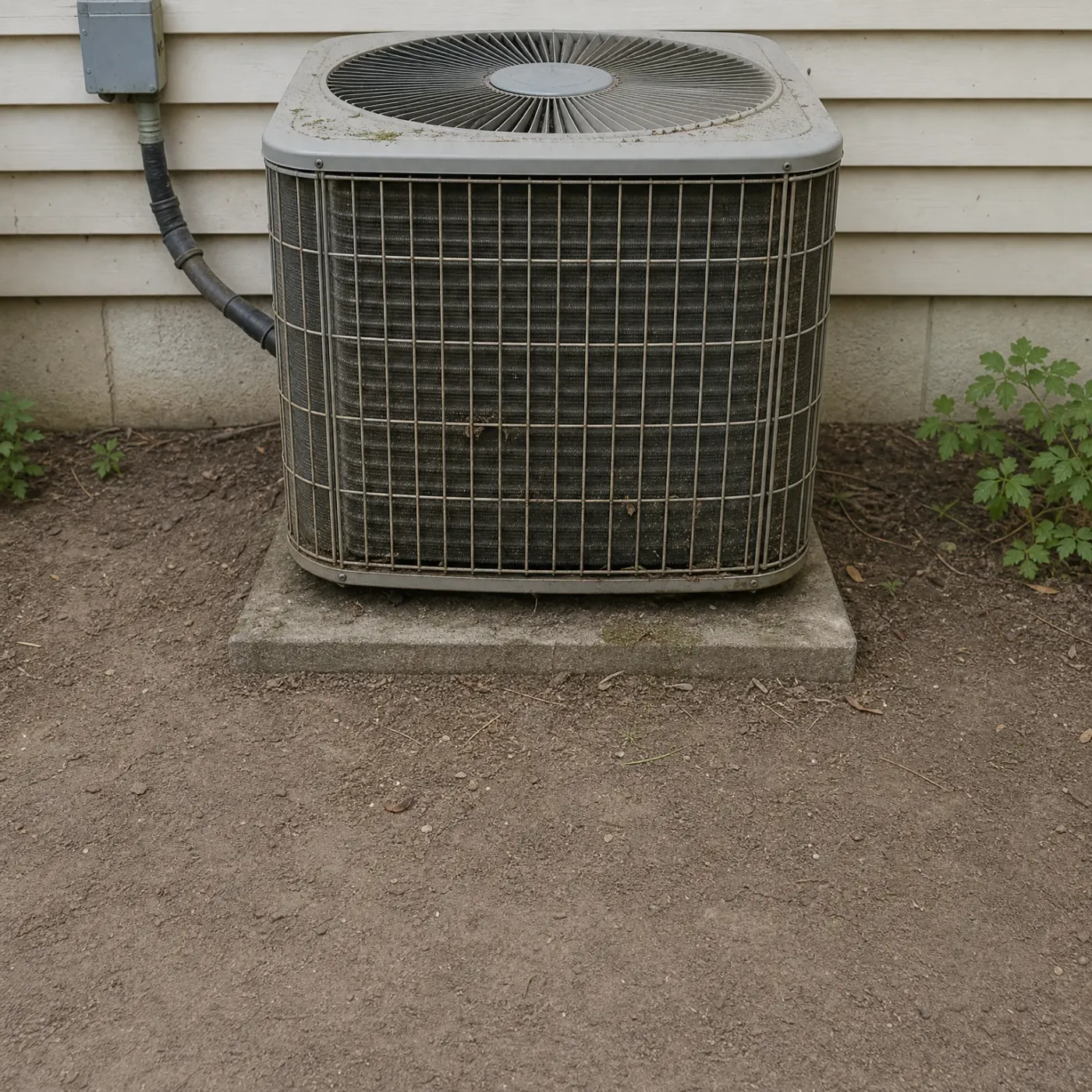
A weathered outdoor condenser unit on a concrete pad beside a house with light horizontal siding, surrounded by bare dirt and a shrub.

Aux heat covering for a problem

This unit is caked with dirt across the coil and top panel. A coil that dirty can't move heat well, so the system leans on aux heat far more than it should, even on milder days. If yours looks like this, that's worth having a contractor look at before it runs that way all winter.

A woman in a cream sweater with her hair in a bun laughs while seated at a stone counter holding a glass of red wine, in a dimly lit interior with a sofa, houseplants and a large window at night.
A woman with long dark hair in a cream knit sweater laughs while looking off to the side, seated in front of a dimly lit kitchen with an island, stools, open shelving and a potted plant, with a glass of red wine in the foreground.
A smiling woman with long dark wavy hair in a light knit sweater sits at a marble counter with a glass of red wine, with a dimly lit living room and kitchen in the background.
A smiling woman with long wavy brown hair in a beige sweater sits at a white marble counter with a glass of red wine, with a living room, dining table and kitchen cabinets behind her.

Aux heat uses electric resistance coils

Once your thermostat switches over, a heating coil kicks in to make up the difference. That draws more power than the heat pump running alone.

Answer a few questions

Stuck on aux heat nonstop

If the display reads aux heat all day, even when it's not that cold, the heat pump may not be pulling its share and a technician should check it.

Answer a few questions

Is your aux heat running more than it should?

Walk past the thermostat on a January night and check how long it says aux heat. A few minutes while the system catches up after you lower the thermostat, or during a stretch of single digits, is normal for North Dakota. What's not normal is seeing it most of the day when it's only in the 20s outside, or hearing the outdoor unit short cycle, turning on and off every few minutes instead of running steady. You might also notice the power bill climbing faster than the cold outside explains. Left alone, a heat pump that leans on aux heat too early usually has something keeping it from pulling heat the way it should, and that part doesn't fix itself.

  1. Your thermostat calls for heat and starts the compressor first.

  2. The outdoor unit pulls what warmth it can from the cold air.

  3. A sensor tracks outdoor temperature and the heat pump's output.

  4. Below a set temperature, the heat pump alone can't keep up.

A closed silver laptop and a ceramic mug of dark coffee sit on a wooden table in front of two chair backs, with a kitchen counter, tiled backsplash, wooden cutting boards, a vase of greenery and a potted plant by a window behind.

What stuck aux heat looks like on your bill

You'll see it before you fully understand it. A power bill higher than last January's, even though the thermostat's been set the same the whole time. Since power here is cheap, a short stretch of aux heat on a cold night won't hit hard. A unit stuck running aux heat around the clock for weeks is a different matter, and that's the pattern worth catching early, before it runs through another billing cycle.

If you're already checking the outdoor unit and watching the thermostat and the numbers still don't add up, that's a sign something in the system needs a contractor's eyes on it, not just yours. Finding one usually means searching around, calling a few companies, explaining the same thing more than once, then sitting with quotes trying to compare them. Request service here and a licensed contractor local to North Dakota, who works on heat pumps like yours all winter, gets the details once and takes it from there.

Interior corner of a living room with a beige upholstered sofa and dark cushion in the foreground, a ceramic vase of leafy branches on a dark side table by a curtained window, a framed picture on the wall, and a wood-surround fireplace at right.
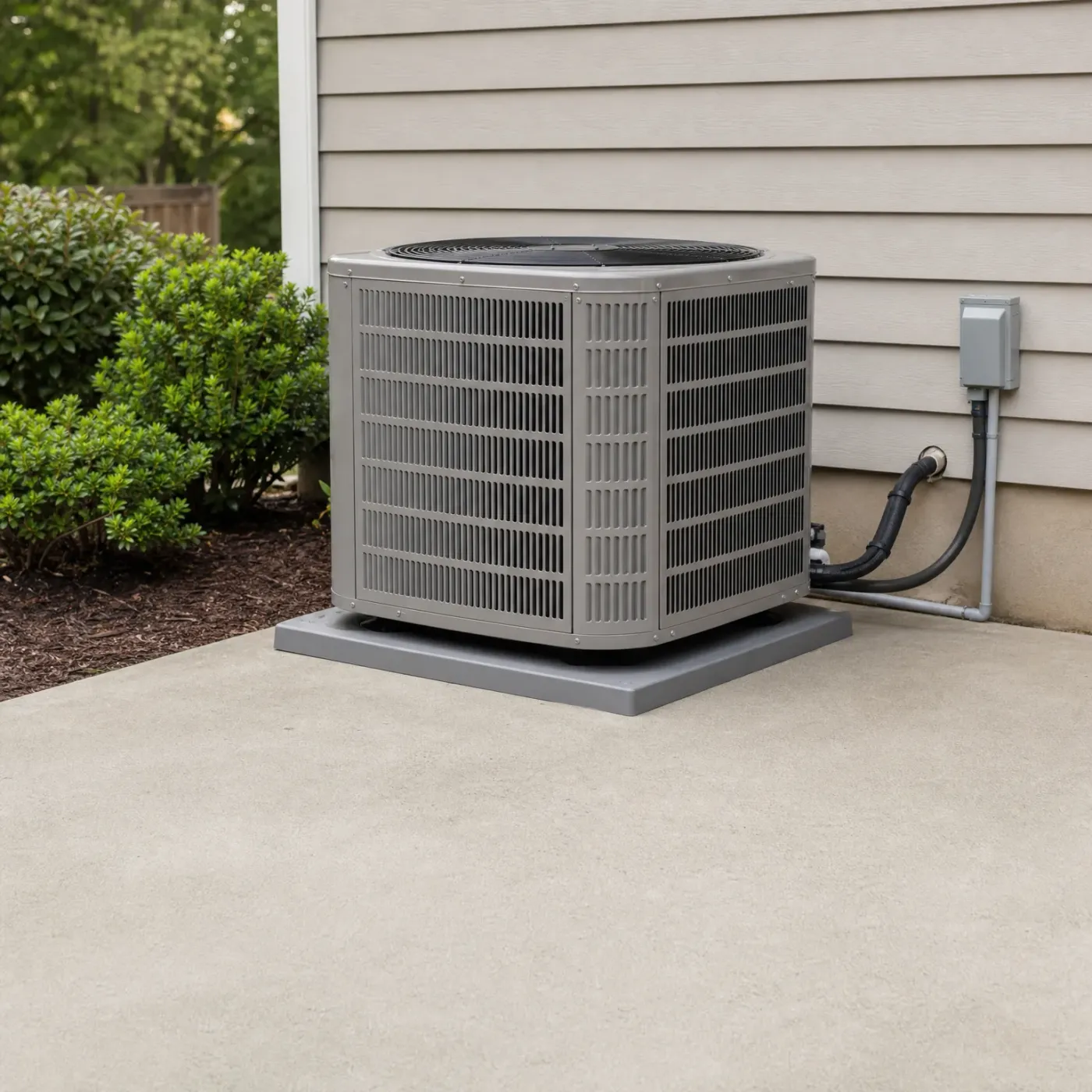
A gray outdoor condenser unit on a raised pad beside a house with horizontal lap siding, with refrigerant lines, conduit and an electrical disconnect box on the wall, and shrubs on a mulch bed to the left.

Outdoor unit running clean

This is what a heat pump handling a North Dakota winter looks like. The grilles sit open, nothing packed against the sides, and the lines running to the disconnect are clear to see. Air moves through it the way it's built to, so the compressor can pull what heat exists in cold air without a fight.

An outdoor air conditioner condenser unit on a gray composite pad beside a house with horizontal lap siding, with refrigerant lines and a conduit running to a wall-mounted disconnect box, and a shrub at left.

Outdoor unit caked with grime

This one's working against itself. Dirt built up across the coil blocks the airflow it needs, so the compressor strains longer to get the same heat out of the air. That strain shows up as aux heat kicking in sooner and staying on longer than a clean unit would need it to.

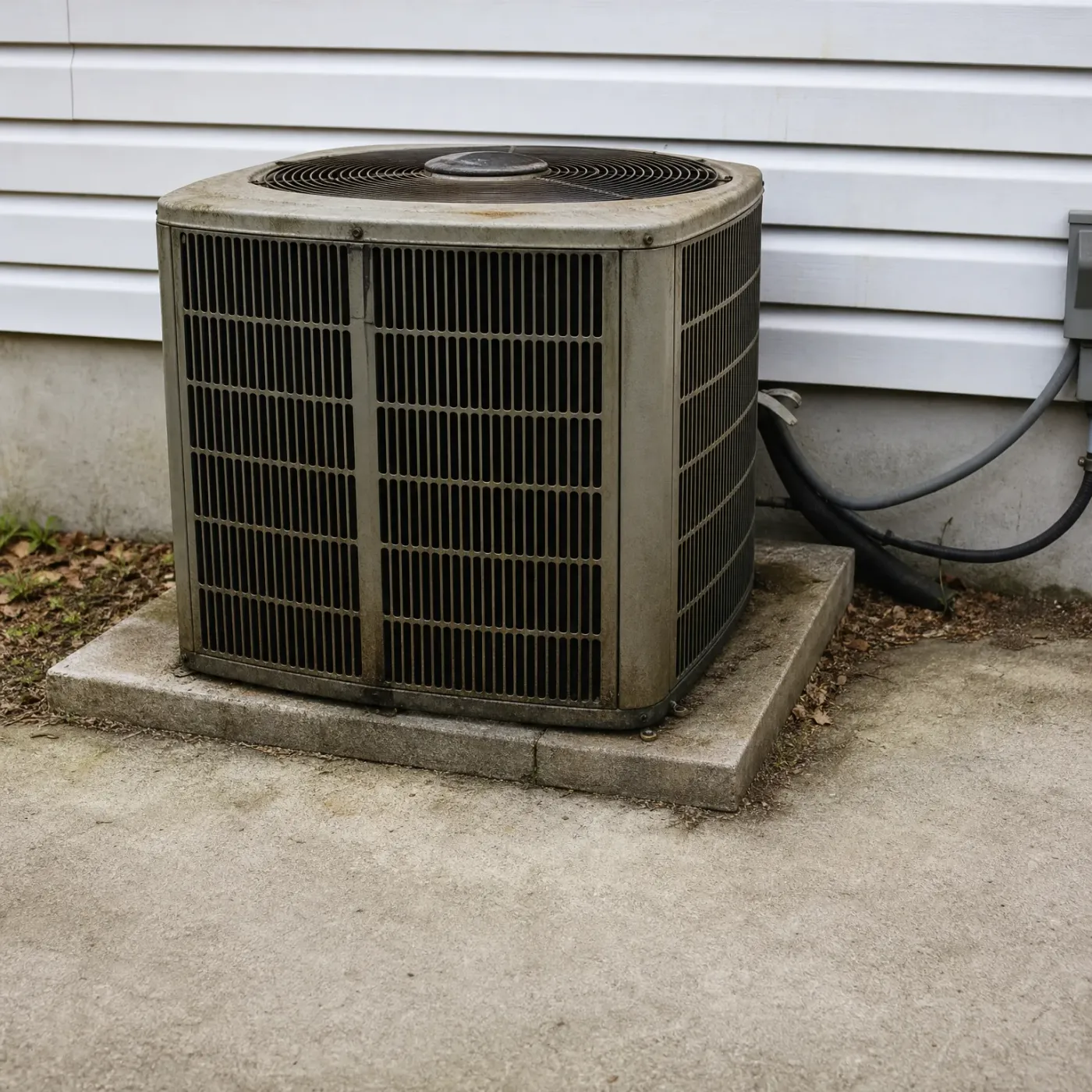
A weathered outdoor condenser unit on a concrete pad beside a house with white horizontal vinyl siding, with refrigerant lines and conduit running to a wall-mounted electrical box.
Before you get your heat pump repair
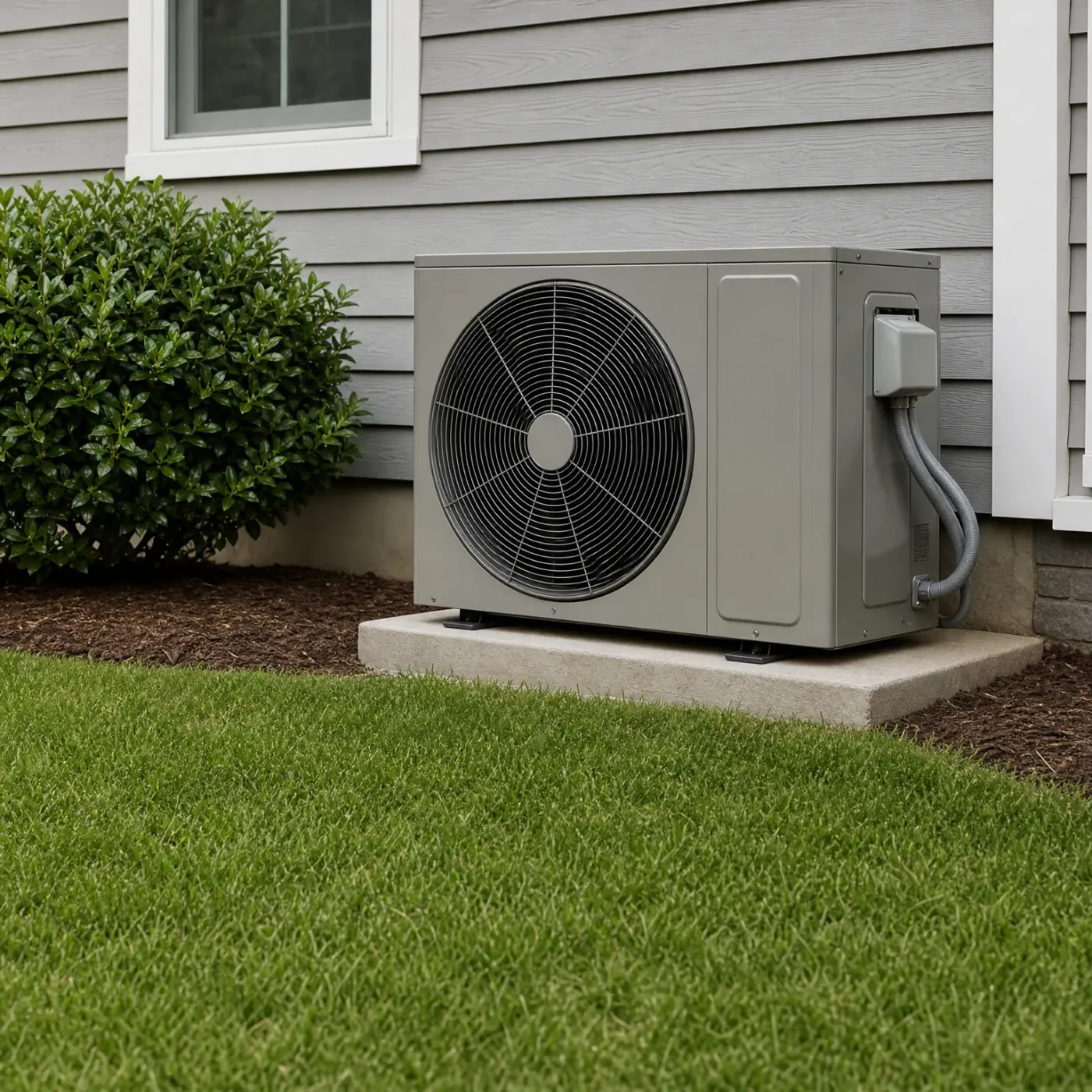
A gray outdoor heat pump unit with a large fan grille sits on a concrete pad beside a house with horizontal lap siding, next to a green shrub, mulch bed, and lawn.
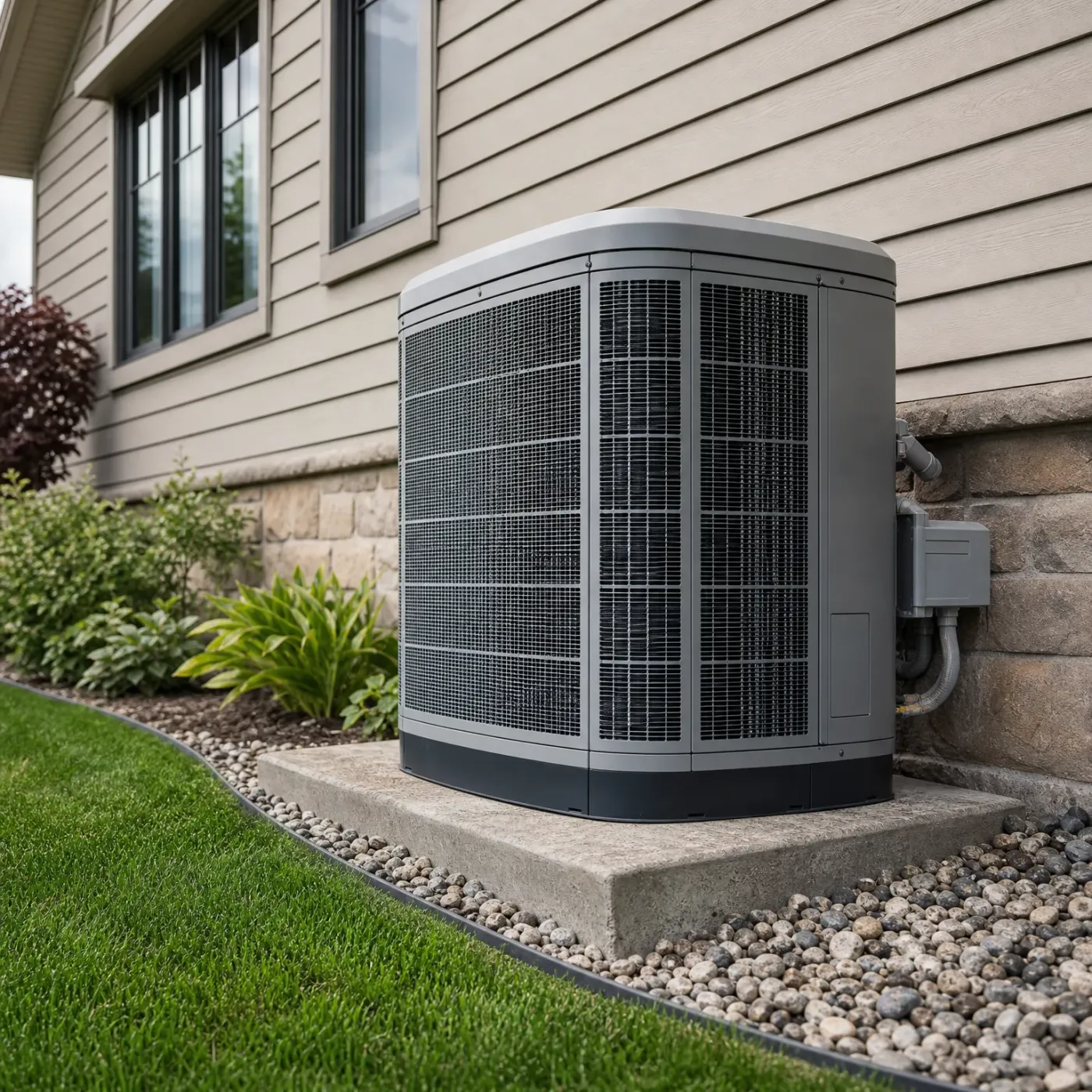
After you get your heat pump repair
A gray outdoor condenser unit on a concrete pad beside a house with horizontal lap siding and a stone foundation, with a lawn, shrubs and decorative gravel nearby.

Skip the calls to every shop

Your request goes to one pro, not a list of companies.

Fill out one short form instead of calling around.

Describe it once

Asking costs nothing, and the choice to hire stays yours.

Aux Heat: Normal or Needs a Look

Working as it should

  • The compressor starts first every time, and aux heat only steps in once outdoor air gets too cold for it to keep up.
  • Your thermostat shows aux heat in short stretches, mostly overnight or during a cold snap, then drops back to the heat pump alone.
  • The outdoor unit cycles on and off through the day without ice building up around the base or across the coil.
  • Your power bill moves a little with the weather, higher on the coldest weeks, lower once temperatures climb back toward freezing.
  • Setback recovery triggers aux heat for a few minutes after you raise the thermostat, then it clears on its own.

Needs a look

  • Aux heat runs all day regardless of the outdoor temperature, even on a mild stretch in the 30s.
  • The outdoor unit stays coated in frost or ice well into the afternoon instead of clearing during its normal defrost cycle.
  • Your thermostat never shows the compressor running at all, only aux heat, no matter how you set it.
  • The power bill jumps well past last year's for the same month, with the thermostat set the same as always.
  • You hear the outdoor fan or compressor go quiet for good while the indoor coils keep blowing warm air from aux heat alone.
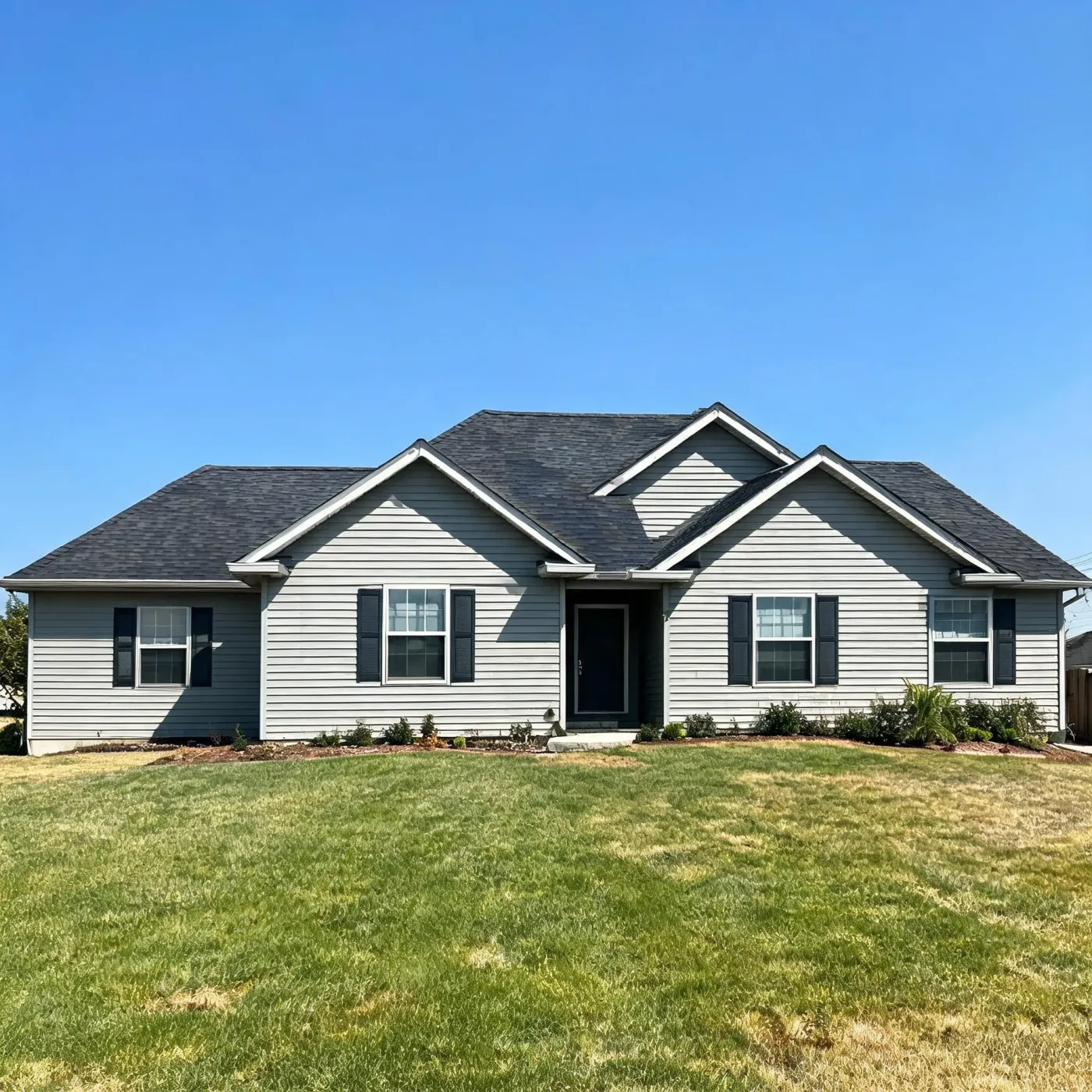
A single-story house with light gray horizontal siding, dark gray shingled gables, black shutters and a dark front door, fronted by a mulched bed of small shrubs and a large lawn under a clear blue sky.

Summers here run with a dew point around 53°F, averaged across June, July and August for North Dakota, so the air outside stays light even on a warm afternoon. That matters for your heat pump because the same unit running aux heat all winter is also your AC come summer, and without heavy, humid air to fight, it doesn't have to work as hard to cool your house or pull moisture out of the air. You'll notice shorter cooling runs and a system that cycles off sooner than it would somewhere muggier.

NASA POWER T2MDEW county cells weighted by homes

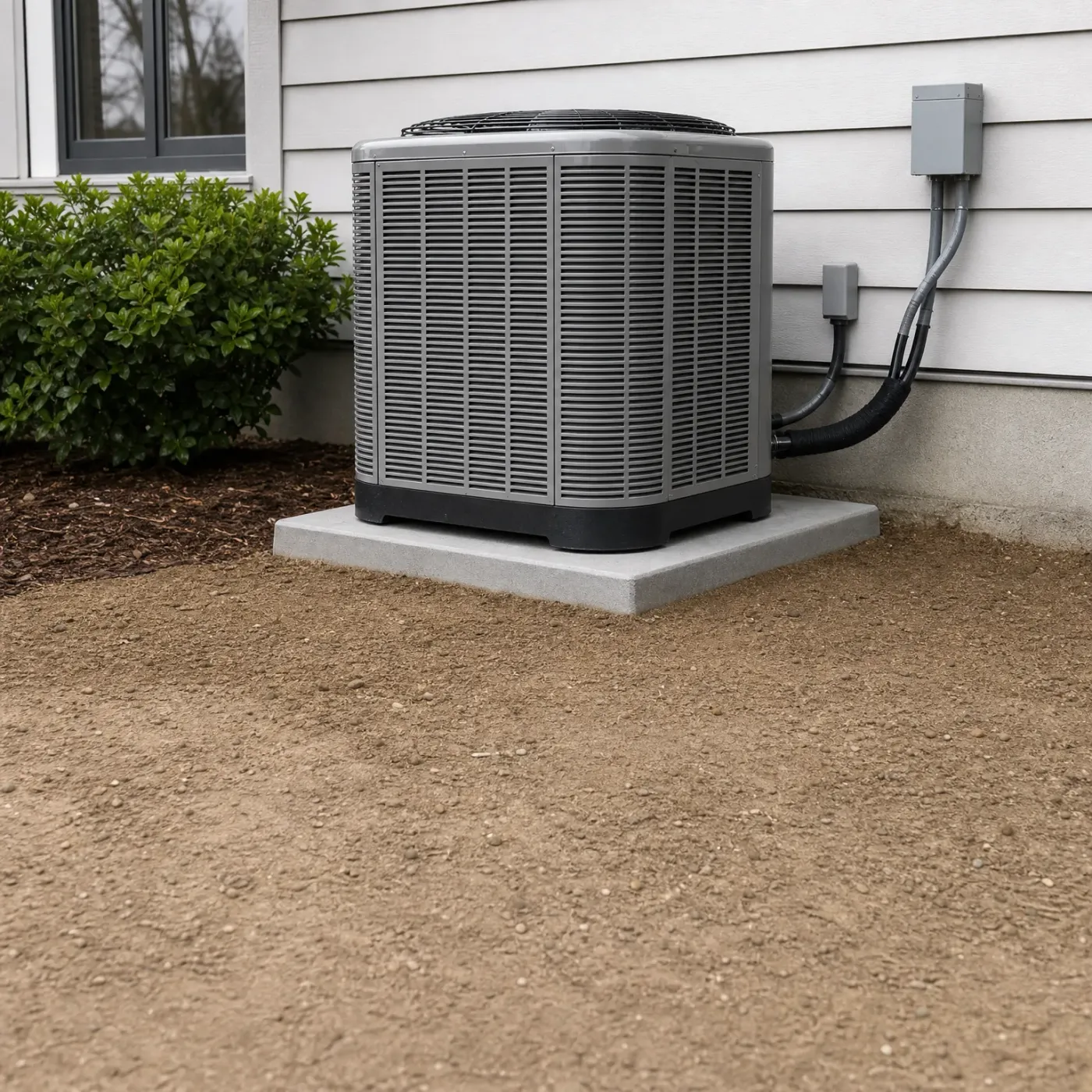
A gray outdoor condenser unit on a concrete pad beside a white horizontal-siding house, with refrigerant lines and conduit running to a wall-mounted disconnect box, bare soil in front and a green shrub at left.
A heat pump with clear grilles and clean fins pulls air through without a fight, even on a subzero night.
An outdoor air conditioning condenser unit on a concrete pad beside a house with light horizontal siding and a concrete block foundation, with bare soil and small green plants around it.
Fins packed with dust and grime make the heat pump work harder, and that's often what pushes it onto aux heat sooner than it should.

If your heat pump is leaning on aux heat more than it should this winter, you'll feel it before you see the bill. A gas furnace would carry most homes here through the cold, but a heat pump stuck on aux heat is running on electric coils instead, and that costs more than the compressor working alone, even with power priced the way it is here. You might notice the air coming out of the vents is hotter than usual, or that the thermostat never seems to settle on the heat pump by itself, even on a milder day. Left alone, that pattern doesn't fix itself. A dirty outdoor coil, a low refrigerant charge, or a sensor telling the system it's colder than it really is will keep pushing the heat pump into aux heat long after it should be handling things on its own. The system still heats your house either way, so nothing feels urgent. The cost shows up later, on the bill you weren't expecting.

Power costs 11.82 cents per kilowatt-hour statewide

At 11.82 cents a kilowatt-hour, running on aux heat for a night or two during a cold snap won't wreck your bill. The problem is when it stays stuck there, since those electric coils pull a lot more power than the heat pump working on its own, and that adds up fast across a North Dakota winter.

EIA-861 2025 statewide residential average

A bearded man in a dark navy sweater over a collared shirt smiles and looks off to the side while seated at a dinner table with a glass of red wine, a lit candle, and a plate of food in the foreground of a dimly lit room.
A woman in a dark gray sweater reclines on a couch with her eyes closed and a knit blanket over her lap, an open book resting face-down in front of her, with a lit table lamp and shelving blurred in the background.

What Aux Heat Is Telling You

  • Aux heat kicking in during a cold snap is the heat pump working the way it's built to, not a sign of trouble.
  • Aux heat running nonstop, even when it's not that cold, usually means the heat pump itself needs a look.
  • A short stretch on the thermostat tells you more than the bill does, so check that first.
  • A contractor who works on heat pumps through North Dakota winters knows which parts tend to fail first in this cold.
  • Getting matched with one licensed local contractor means one call, not a string of estimates to sort through.
  • Once you know what aux heat is supposed to do, you can tell in a minute whether yours is behaving or stuck.

Aux heat is the backup, not the problem. When your thermostat shows it during a cold snap, the heat pump handed off to the electric coils because the outdoor air got too cold to pull enough warmth from. That's the system doing what it was built to do. The trouble starts when aux heat stays on when it shouldn't, running through stretches that aren't that cold, or sitting there for hours instead of minutes. That pattern points at the heat pump, not the weather.

You don't need the power bill to tell you this. The thermostat shows you the same thing sooner, and it's free to check. A few minutes of aux heat after you turn the heat up, or a longer run during a hard freeze, is normal for a North Dakota winter. Aux heat running all day in milder weather isn't.

If what you're seeing doesn't match either of those, the next step is having someone look at the heat pump itself, not guess from the thermostat. A contractor who services these systems through winters here has already seen what tends to go wrong in this cold, from a frozen outdoor coil to a sensor that's stopped reading outdoor temperature correctly. Getting matched with one licensed local contractor means you explain the problem once, to someone who already knows the likely cause, instead of fielding calls from several companies and sorting through what each one tells you.

Elevated view over a flat field with patches of snow, a bare deciduous tree at center, evergreen trees at both sides, and the shingled ridge of a roof in the foreground under a pale sky.

Skip calling around

Start one form

No fee to send it, and nothing to sign.

One call gets a local contractor who works on heat pumps all winter out to look at why yours leans on aux heat, instead of you ringing around North Dakota for someone who'll take the job.