Profile view of a bearded man wearing a dark green baseball cap and a dark gray T-shirt against a plain light background.

What defrost mode means on a North Dakota heat pump

Step 1 of 3: Equipment

Defrost mode is your heat pump melting the frost off its outdoor unit. In a North Dakota winter, that coil sits outside pulling heat from the air even when it's well below freezing, and moisture in the air turns to frost on it. Too much frost and the unit can't pull heat anymore. So the system reverses itself for a few minutes, sends warm refrigerant outside to melt the ice, and the outdoor fan stops while it does. You might notice what looks like steam rising off the unit, or the indoor air blowing cool for a bit. That's normal. What isn't normal is the unit running in defrost mode often, staying in it a long time, or never fully clearing the ice before it kicks back to heating. That usually points to a stuck reversing valve, a failed defrost sensor, or a fan that isn't cycling right. Left alone, ice builds faster than the system can clear it, and the unit works harder for less heat.

A smiling man in a navy long-sleeve shirt sits at a wooden table in a kitchen and dining area, with a ceramic mug, a potted plant, and a sliding glass door behind him.
A smiling bearded man in a green henley shirt stands at a kitchen island with a gray mug, looking off to the side, with a dining area and shelves blurred behind him.
A smiling bearded man in a navy sweater sits at a white kitchen island with a ceramic mug, with open shelves, potted plants and a range hood behind him.
A smiling man in a dark olive long-sleeve shirt sits in a kitchen beside a counter with a dark mug, with a dining table, sideboard and hallway visible in the blurred background.

What it looks like from inside

The outdoor unit seems to shut off, the fan stops, and sometimes steam or smoke-looking vapor rises off it. Inside, the furnace or electric strips kick on to cover the house while the outdoor unit runs defrost. This can last ten to fifteen minutes. It happens on its own, usually a few times during a cold stretch, more often if the air is damp or if snow is blowing into the unit. None of this means the system is broken. It only becomes a problem if it happens constantly or the frost never fully clears.

When defrost means trouble

A heat pump that goes into defrost every half hour, or whose coil stays iced over after the cycle ends, has something wrong with it. A failed defrost control board, a stuck reversing valve, or a low refrigerant charge can all keep a unit from clearing frost the way it should. So can a fan motor that is not pulling air across the coil. At minus twenty, a unit that cannot defrost properly will ice up solid and stop heating the house altogether, right when the backup heat is carrying the most load.

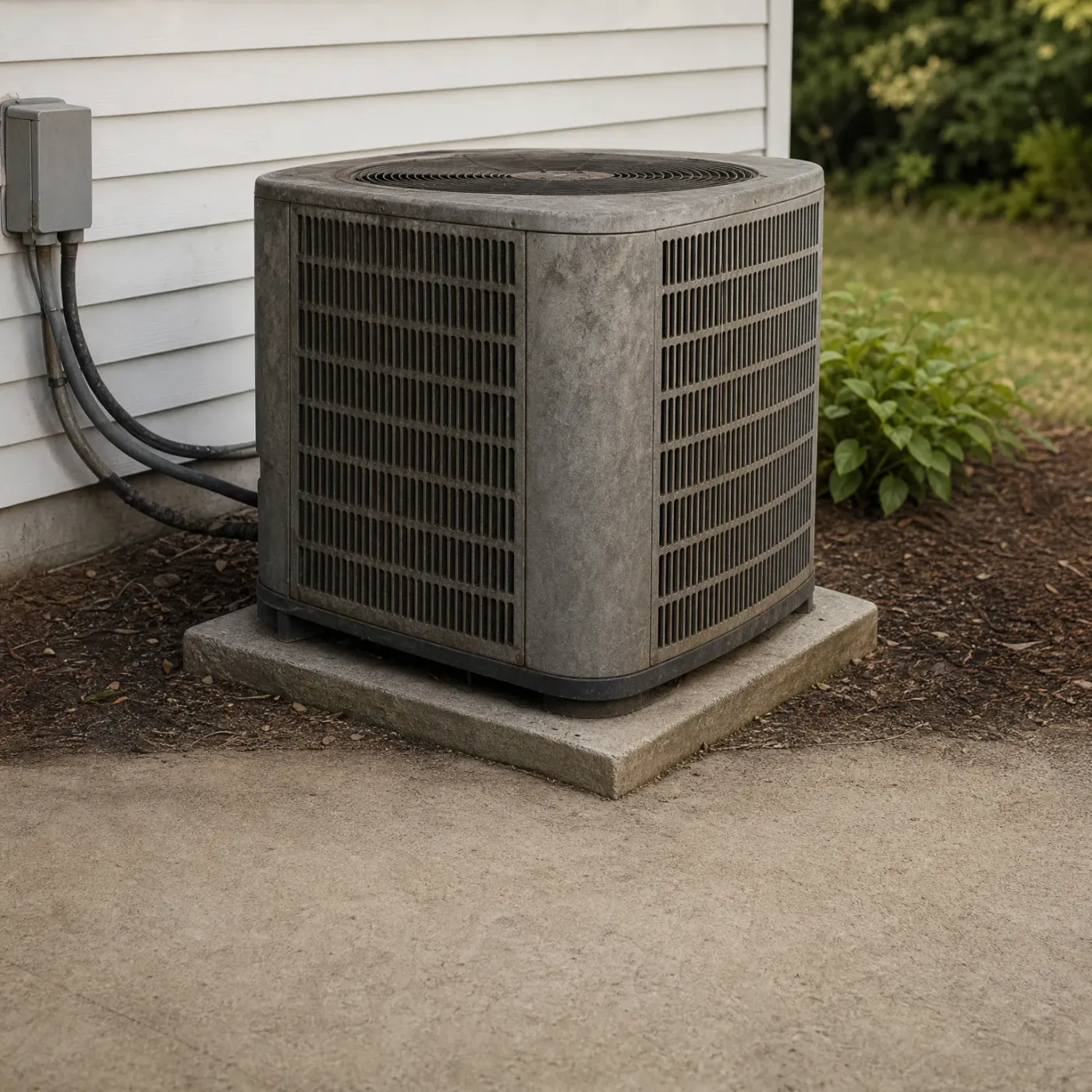
An outdoor air conditioning condenser unit sits on a concrete pad beside a white horizontal-siding house, with a gray electrical disconnect box and insulated refrigerant lines on the wall, mulch and green shrubs to the right, and a concrete slab in the foreground.
Before you get your heat pump repair
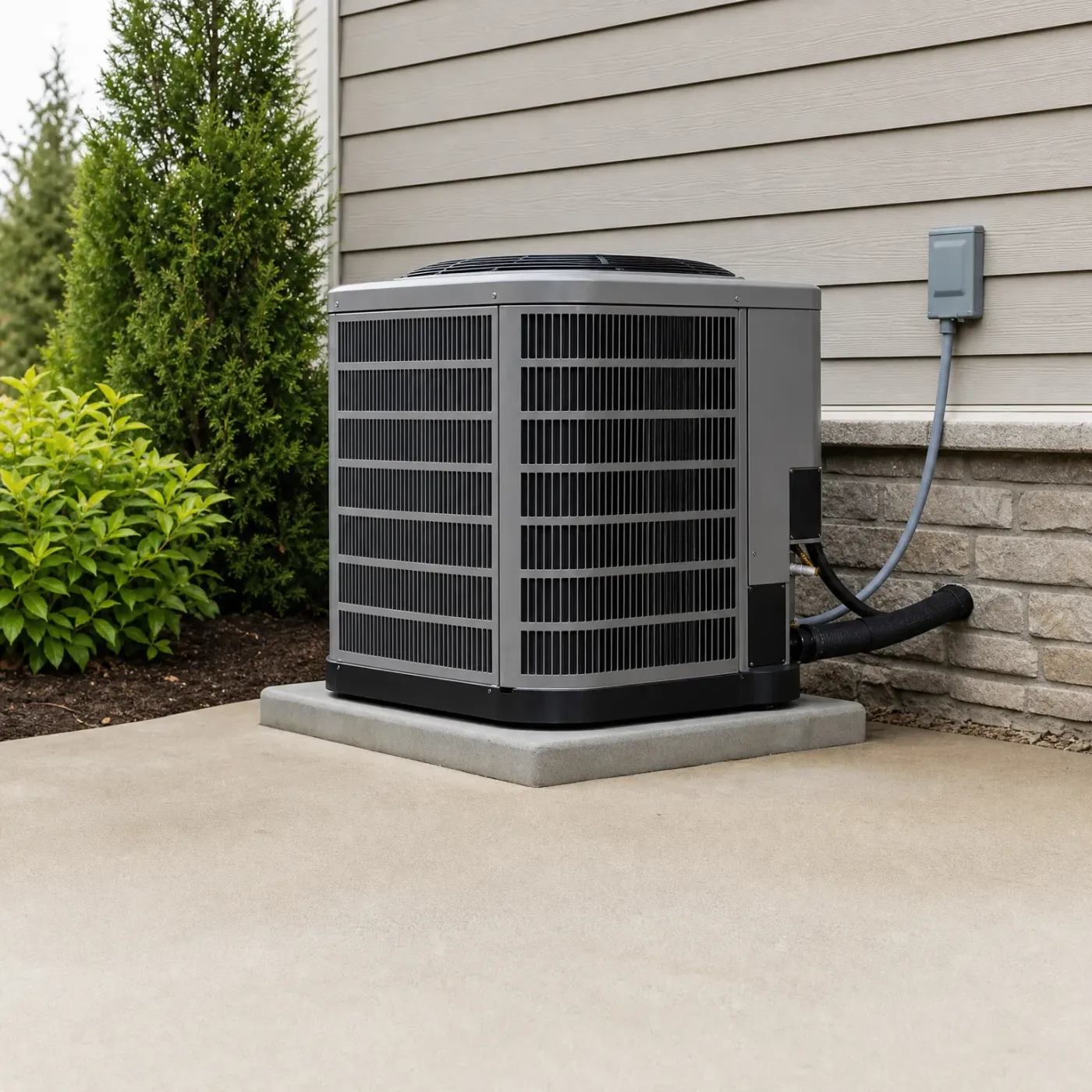
A gray outdoor air conditioner condenser unit on a concrete pad beside a house with horizontal lap siding and a stone veneer base, with a conduit running to a wall-mounted disconnect box and shrubs and evergreen trees to the left.
After you get your heat pump repair
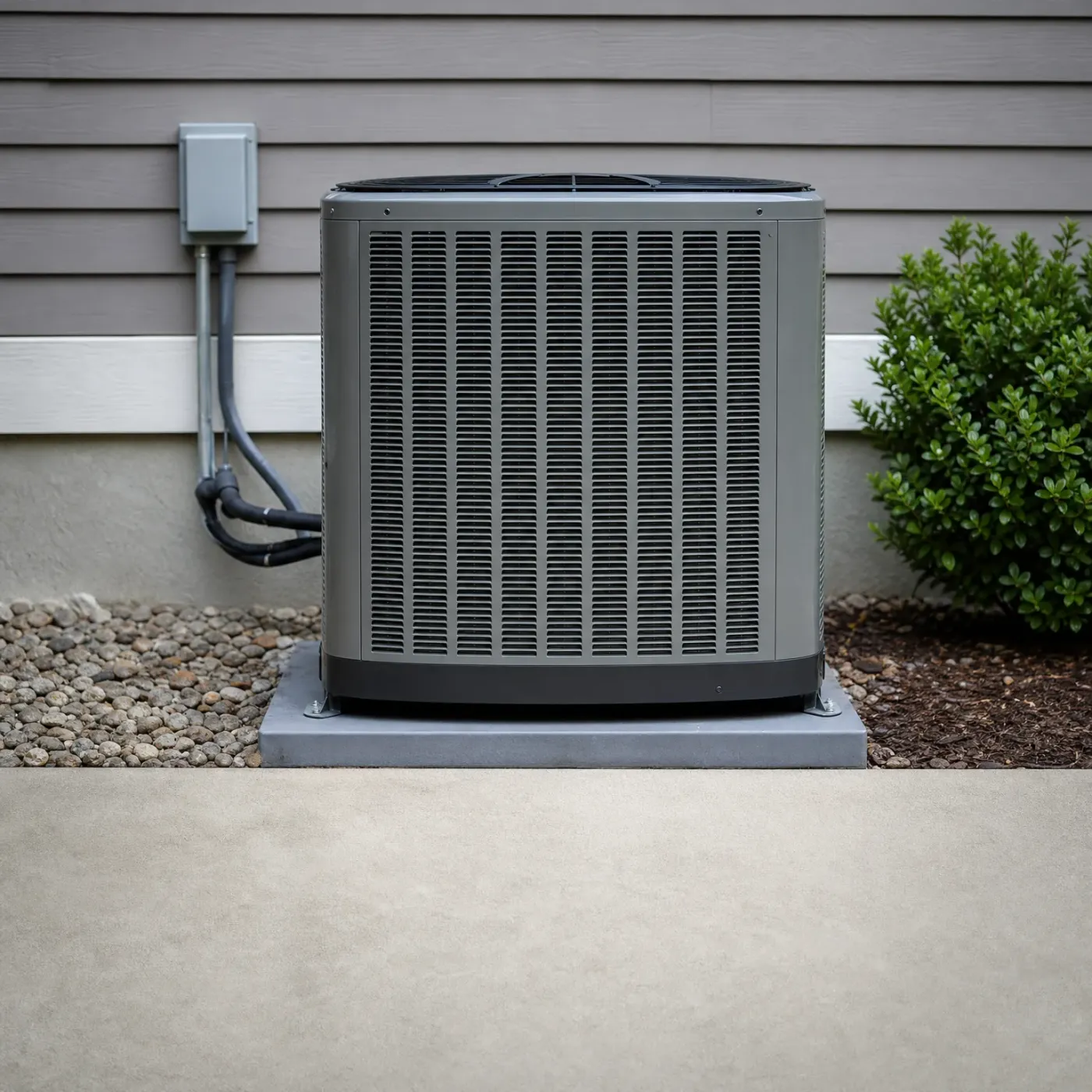
A gray outdoor condenser unit on a concrete pad beside a house with horizontal lap siding, with a metal disconnect box and refrigerant lines on the wall, river rock and mulch to the sides, and a green shrub at right.

Defrost cycling the way it should

This is what a normal defrost looks like from outside. The coil clears itself every so often, the fan kicks back on, and the unit keeps pulling heat out of a North Dakota winter like it's supposed to. No ice built up around the base, no steady frost line on the fins.

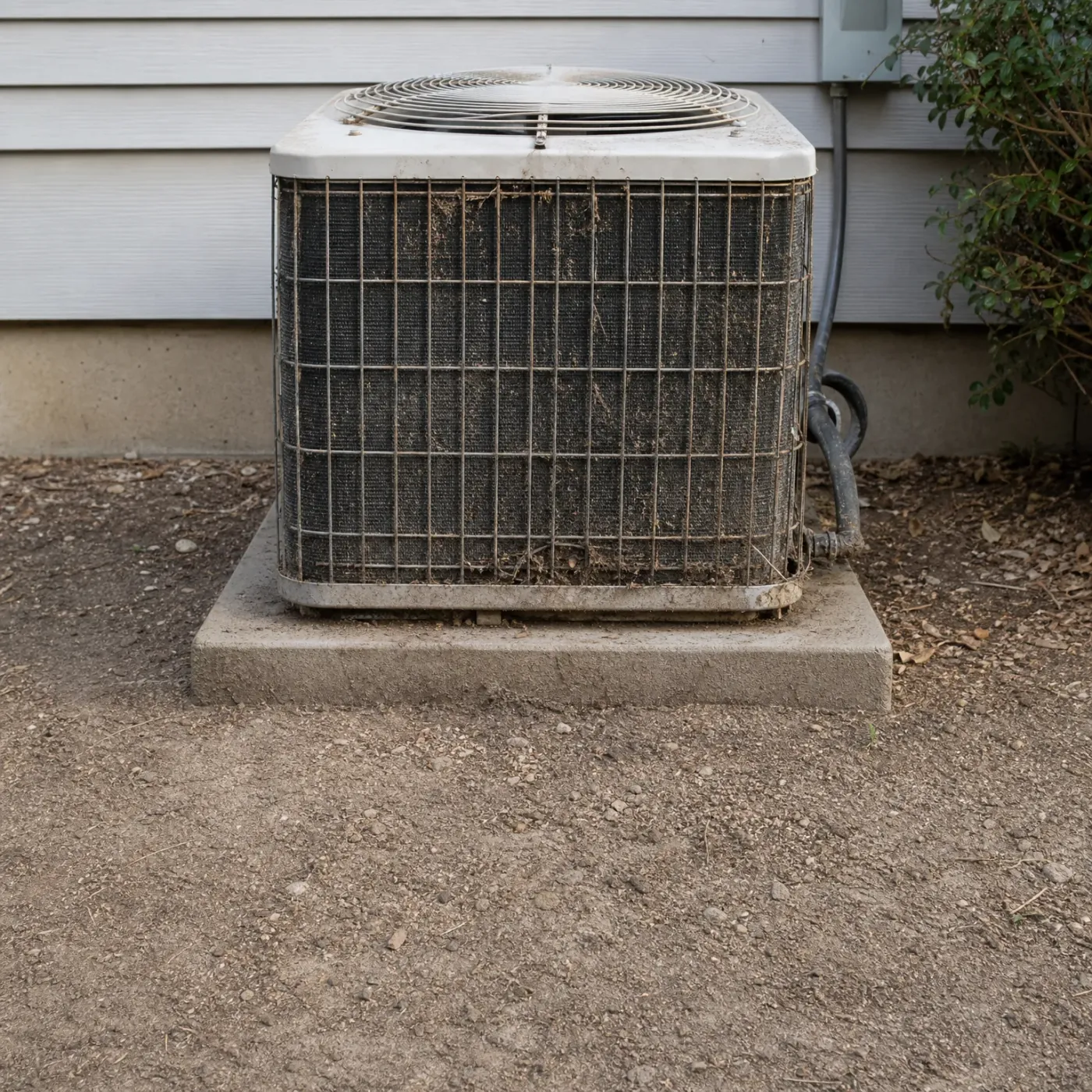
A dirty outdoor air conditioner condenser unit with debris on its coil grille, sitting on a concrete pad beside a light-colored horizontal siding wall, with bare dirt ground in front and a shrub at right.

A coil that can't shed the frost

Dirt and plant matter packed into the grille and fins stop a heat pump from pulling off its own frost. Defrost mode runs longer and more often trying to compensate, and the furnace or electric strips cover more of the heating load inside while it does. Left alone, this is the kind of small problem that turns into a unit that won't defrost at all.

Is your heat pump stuck in defrost, or just ice everywhere?

Go look at the outdoor unit. If it's defrosting the way it should, you'll catch it off for a few minutes, vapor rising, then the fan back on. If something's wrong, you'll see ice built up on the coil, around the base, or climbing up the lines, and it won't clear on its own. The unit might run the outdoor fan nonstop without ever steaming, or cycle into defrost every few minutes instead of every hour or so. Inside, your furnace or strips may be running far more than the cold outside explains, which shows up on your power bill. Left alone through a North Dakota winter, a heat pump that can't finish defrost can ice over solid and stop pulling heat from the outdoor air at all.

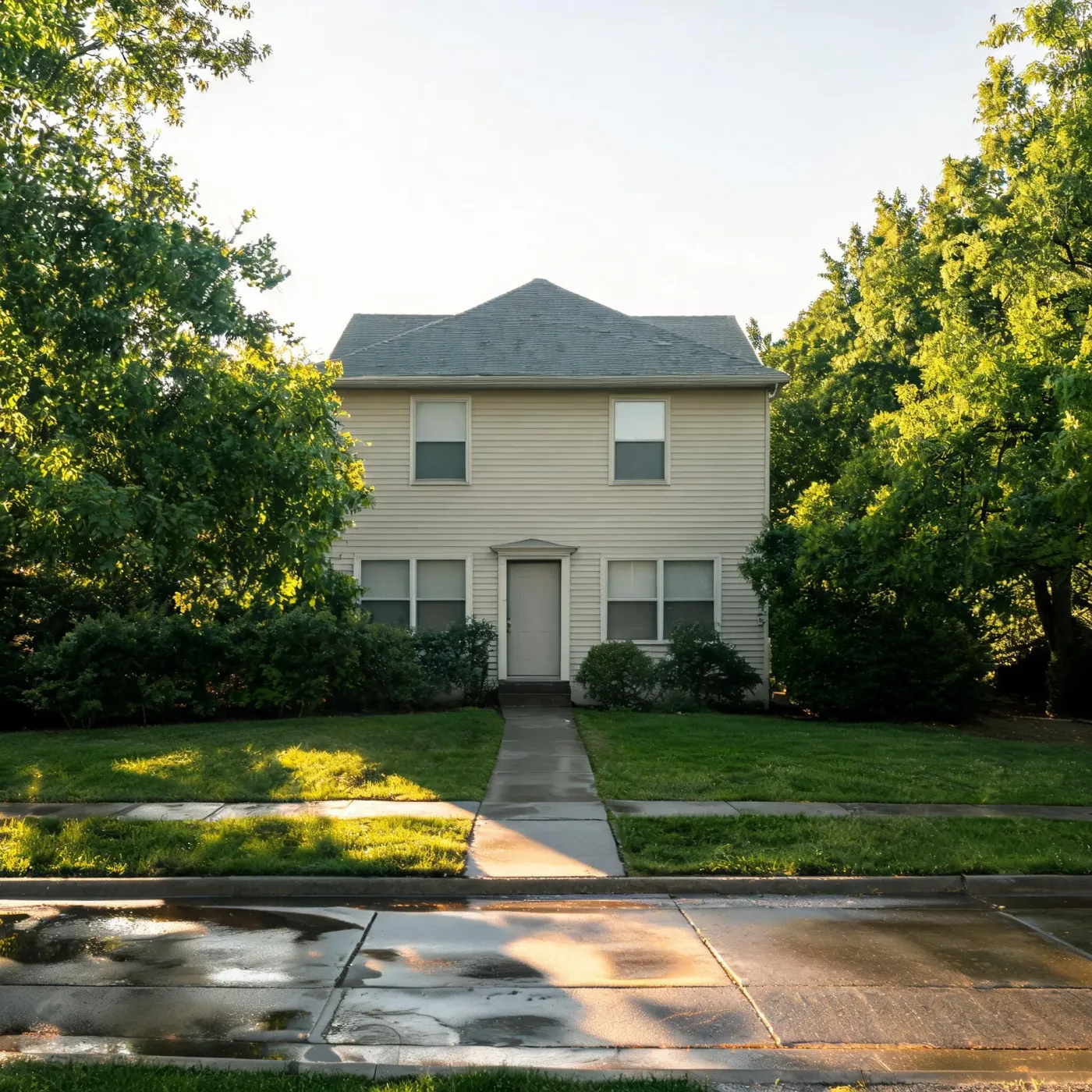
A two-story cream-colored house with horizontal siding and a gray hipped roof, flanked by large green trees and shrubs, with a concrete walkway crossing a lawn to a wet street in the foreground.

Summers here don't weigh on you the way they do further south. The average dew point across June, July and August is 53°F, according to NOAA climate data, which is on the dry side as these things go. That matters for a heat pump mostly in what it isn't doing: it's not fighting heavy, damp air for months at a stretch. Your defrost troubles are a winter thing here, tied to cold and moisture in the air outside, not summer humidity. If your outdoor unit is icing up or cycling wrong, that's a cold-weather problem to get looked at, not something the summer air caused or will fix on its own. Skip the search for who's any good at this and send the request once.

NASA POWER T2MDEW county cells weighted by homes

Done looking for a heat pump pro

A heat pump stuck in defrost, or icing over because it won't start the cycle, isn't pulling heat out of the cold the way it needs to. Out here that matters, because a North Dakota winter doesn't give you room to run on backup heat strips or a labored furnace assist for days at a time while the outdoor unit sits there frozen. You could spend an afternoon calling around to find someone who works on heat pumps specifically, not just furnaces, then explain the ice, the fan noise, the steam you saw, all over again to each one, then sit with quotes trying to guess which contractor actually knows this equipment. Send the request instead and that work is off your plate. You still deal with a frozen unit and a cold house while it waits on a fix, but you're not the one tracking down who can look at it. That part stops being yours the moment you send it.

What defrost mode tells you

  • Defrost mode means your heat pump is melting frost off the outdoor coil so it can keep pulling heat from a North Dakota winter.
  • A normal cycle runs for a few minutes, with the fan off and vapor rising, then the fan comes back on and the unit goes back to heating.
  • Ice that builds up along the base, around the fan, or across the coil itself means the cycle isn't finishing the job.
  • A unit stuck in defrost, or one that won't start the cycle at all, leaves the house leaning harder on backup heat strips or the furnace.
  • Checking the outdoor unit yourself tells you in a few minutes whether what you're seeing is normal or a sign something's failing.
  • A heat pump that can't clear its own coil loses ground fast once temperatures drop well below freezing.

Defrost mode is your heat pump clearing frost off the outdoor coil so it can keep doing its job through a North Dakota winter. That coil sits outside pulling heat from air that's often well below freezing, and the moisture in that air turns to frost on it. The unit has to melt that off every so often or it stops working the way it should. A normal cycle is short. The fan shuts off, you might see vapor rising off the coil, and within a few minutes the fan kicks back on and the unit goes back to heating the house. That's it working the way it's supposed to.

What tells you it isn't working is what's left behind. Ice along the base of the unit, built up around the fan, or coating the coil itself means the cycle started and didn't finish, or never started at all. A unit that's stuck in defrost, or one that can't trigger it when it needs to, isn't pulling heat from the cold anymore. The house leans harder on backup heat strips or the furnace to cover the gap, and once temperatures drop well below freezing, a heat pump that can't clear its own coil loses ground fast.

You can tell which one you're looking at in a few minutes outside. A quick look at the outdoor unit either confirms it's running fine or tells you it's time to get someone out to look at it.


A smiling man in a dark blue T-shirt sits on a light gray sofa in a living room with a wooden shelf and window behind him, with a laptop edge visible in the foreground.
A bearded man in a plaid flannel shirt stands indoors looking out a frost-covered window, with a steaming dark blue mug on the wooden sill and snow-covered trees outside.

It's off your list after this

A heat pump that won't come out of defrost, or won't go into it, needs a repair before the next cold snap tests it. Finding someone for that usually means calling around, explaining the ice on your unit more than once, and weighing quotes against each other while the house runs on backup heat. Send this form and that part is done. You're handed a contractor who already knows what stuck defrost on a North Dakota winter looks like, without the legwork landing back on you.

Hand off the search

Describe what your heat pump is doing once, in one form.

Asking costs nothing, and the choice to hire stays yours.