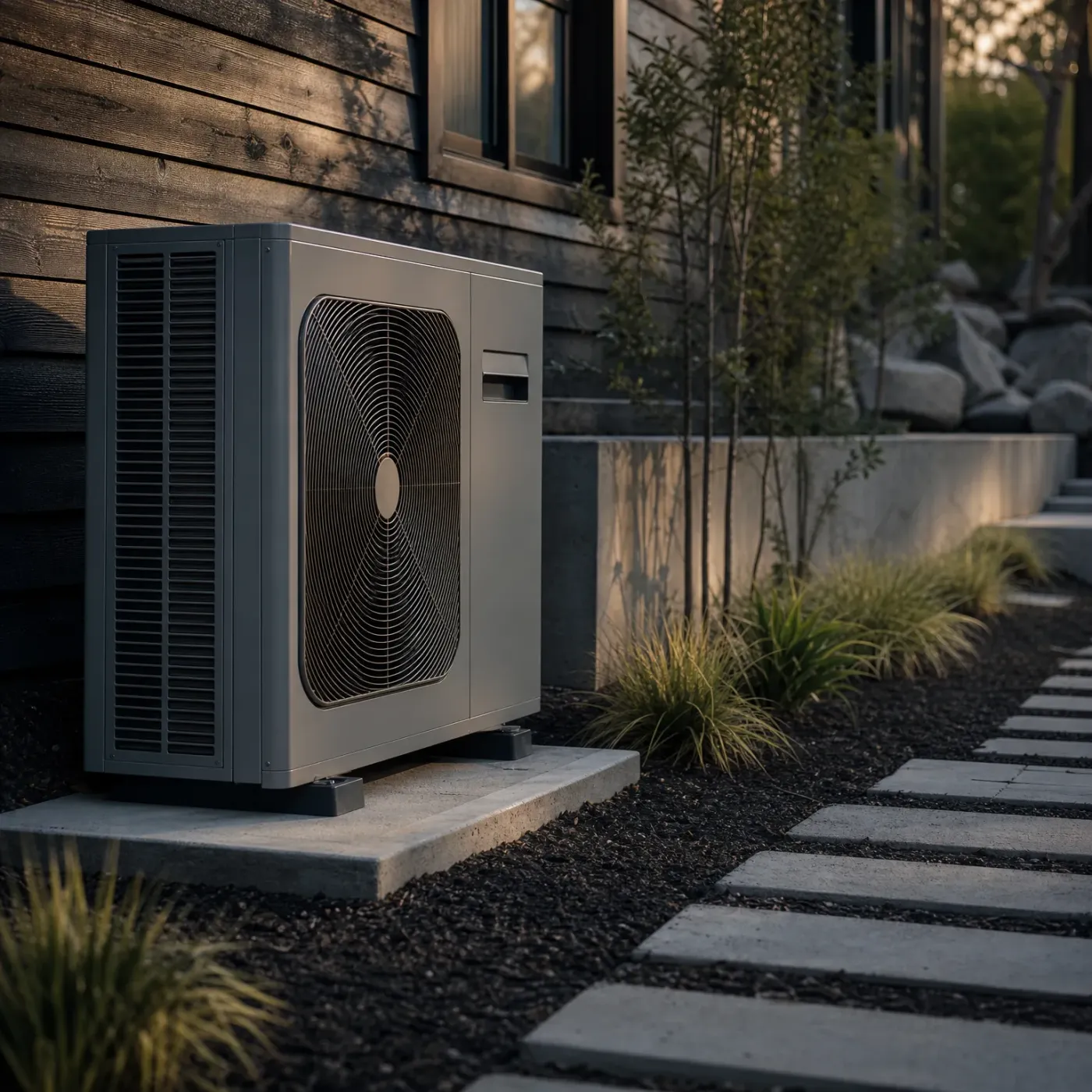
A gray outdoor heat pump unit with a circular fan grille sits on a concrete pad beside a dark wood-clad house, next to a gravel bed with ornamental grasses and a stepping-stone path.

Finding a pro stops being your job

What emergency heat means on a North Dakota heat pump

Your heat pump has an emergency heat setting, and the thermostat is calling for it, or you're wondering what it does before you touch it. This page covers what emergency heat actually means on your system, when it should kick in, and when it running points to a real problem with the heat pump rather than just cold weather. If you need a contractor to look at it, send the form and skip the search, the calls, and explaining the problem over and over.

Hand it over

Emergency heat is a backup heating mode, and it runs on electric resistance coils instead of the heat pump's normal cycle. Your thermostat has an "EM HEAT" or "emergency heat" switch, and flipping it tells the system to stop pulling heat from the outside air and heat the house a different way instead. North Dakota winters push outdoor temperatures low enough that the heat pump's outdoor unit can struggle to pull in enough heat, or can ice over faster than its defrost cycle keeps up with. Emergency heat is meant for exactly that: a way to keep the house warm when the heat pump itself can't do the job, whether that's extreme cold or an actual breakdown. If your thermostat is calling for emergency heat on its own, or the switch is on and you didn't put it there, that's the system telling you something is wrong with the heat pump side, not just cold weather. It's worth finding out which before it runs that way for long.

A man in a blue T-shirt sits on a light gray sofa, laughing while looking at an open laptop in the foreground, with a framed picture, lamp and potted plant behind him.
A bearded man in a blue and brown plaid flannel shirt stands indoors looking out a window at snow-covered trees, with a ceramic mug on the windowsill.

Why North Dakota winters trip this switch

A heat pump pulls heat from outside air, and that gets harder as the temperature drops. Below a certain point, usually somewhere in the teens or lower, the outdoor unit can't pull enough heat to keep up, and the system either locks out the compressor or runs it so long it still falls short. That's when emergency heat earns its name. It isn't a convenience setting. It's there because a North Dakota cold snap can push the outdoor unit past what it was built to do, and the electric coils take over so the house doesn't go cold while the compressor sits idle.

What it means if yours switches on

Electric resistance coils don't care how cold it is outside. They heat the air directly, so the system keeps working no matter what the thermometer says. But those coils use a lot more power than the compressor does to produce the same heat, and power here being cheap doesn't change how much more they draw. If your thermostat is sitting on EM HEAT for a day that isn't especially cold, or it won't come off that setting on its own, something is keeping the heat pump from running its normal cycle. That's worth a look before it turns into a bigger repair.

A smiling man in a gray long-sleeved shirt stands in a kitchen looking to the side, with open shelves of dishes, a white mug on the counter, a potted plant, and a view through a doorway into a living room.
A smiling bearded man in a green sweater sits at a white marble kitchen island with a mug, potted plant and bowl of fruit, in a bright white interior with open shelving and an arched doorway.
A smiling man with dark curly hair and a beard, wearing a dark green knit sweater, stands at a white marble kitchen counter with a dark blue mug, with open shelving, pendant lights and a houseplant behind him.
A smiling man in a green ribbed sweater stands behind a wooden table holding a ceramic mug of coffee in a kitchen with white subway tile, shelves of potted plants, and a bowl of fruit.

The outdoor unit has to defrost itself sometimes, since the coil picks up ice in cold, damp air. When that happens it runs in reverse for a few minutes, which is why you'll feel a short burst of cool air from the vents. Some thermostats flag this as emergency heat automatically, and that's not a malfunction, it's just the defrost cycle doing its job. True emergency heat skips the outdoor unit entirely. It heats with electric coils inside, the same principle as a space heater, which is why it draws more power to put out the same heat as the normal cycle. That's fine for short stretches. It's a problem when the system sits on emergency heat outside of a defrost cycle and the outdoor temperature isn't extreme enough to call for it. Usually that means the compressor or the outdoor fan has quit, and the coils are carrying the whole load by themselves. An EM HEAT light that stays lit for more than a few minutes is the system telling you the heat pump side has stopped pulling its weight.

What's actually happening inside the system

  • The outdoor unit has a defrost cycle that melts ice off the coil, and during defrost it runs backward and blows cold air inside for a few minutes.
  • Some thermostats switch to emergency heat automatically during defrost, which is normal and not a sign anything is wrong.
  • The electric coils in emergency heat mode heat air directly, the same way a space heater does, with no outdoor unit involved at all.
  • A heat pump stuck on emergency heat when it's not defrosting and the outdoor temperature isn't extreme usually means the compressor or outdoor fan has stopped working.
  • Emergency heat costs more to run than the normal heat pump cycle because electric resistance coils use more power to produce the same amount of heat.
  • If the EM HEAT light stays on for more than a few minutes at a time, that's the system telling you the heat pump side isn't doing its job.
A gray outdoor heat pump unit on a concrete pad beside a house with horizontal lap siding, connected by conduit and a flexible line to a wall-mounted disconnect box, with low shrubs and mulch nearby.
Running on its own, switching to emergency heat only during a defrost cycle or on the coldest nights, then switching back without anyone touching the thermostat.
An outdoor air conditioner condenser unit on a concrete pad beside a house with horizontal siding above a concrete block foundation, with insulated refrigerant lines and a vertical white pipe on the wall.
Stuck on emergency heat for hours or days on end, which means the heat pump side has quit and the coils are carrying the whole house.
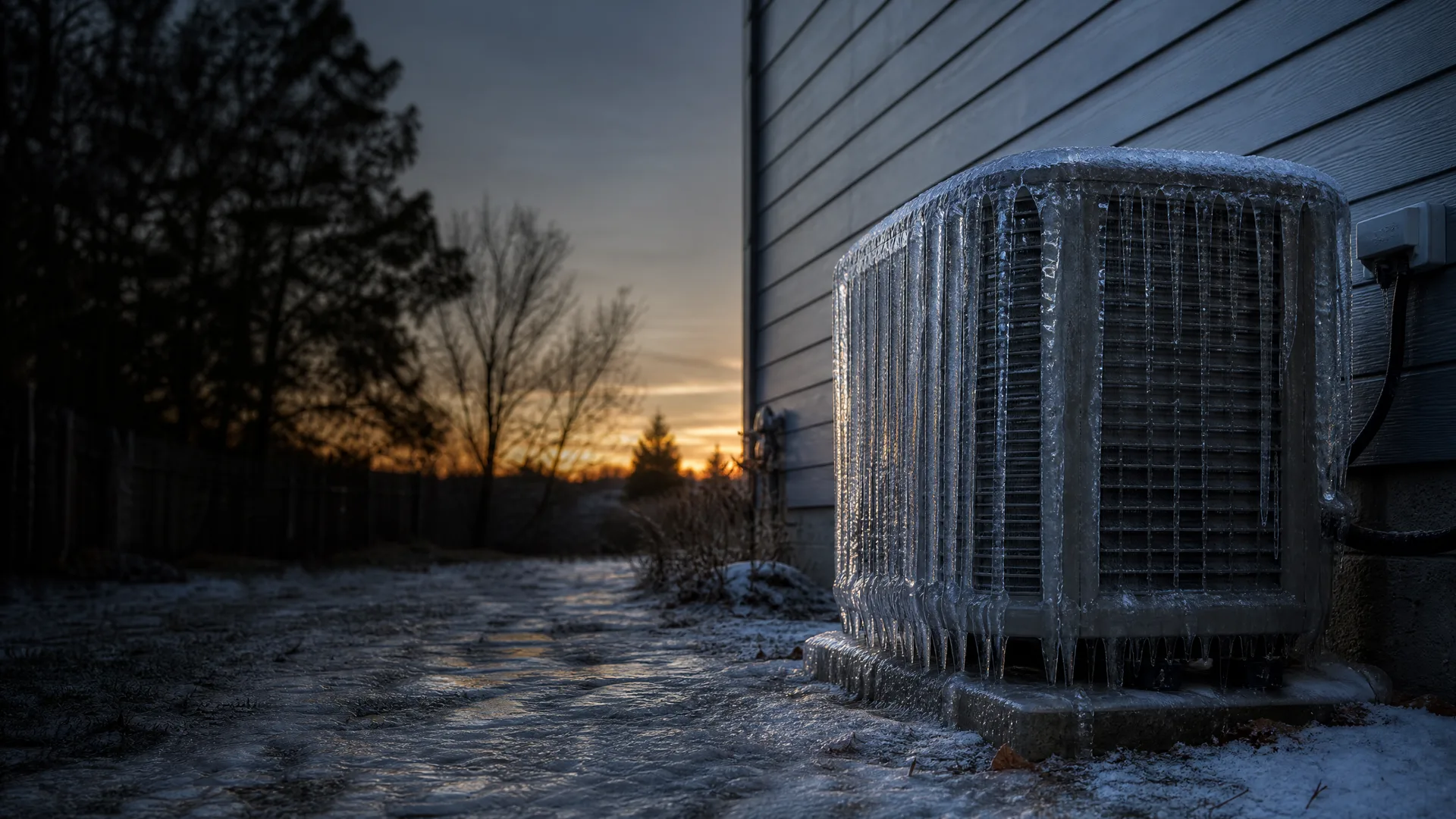
An outdoor condenser unit beside a horizontally sided house, encased in thick ice with hanging icicles, on a snow-dusted ground at sunset with bare trees in the background.

You're out for the garbage truck before sunup and the side yard is still dark except for the porch light. Your breath hangs in it. The outdoor unit sits there coated in ice, not just frost on the edges but a thick white shell over the coil and the top grille, the kind you'd need a scraper for. The fan isn't turning. No hum from it either. Inside, the thermostat has already kicked to emergency heat on its own, and the air coming through the vents feels warm, just not the way it usually does this time of year. You stand there a second with the bag in your hand, looking at it, before you go back in and shut the door against the cold.

Let someone else find the pro

Fill out one short form instead of calling around.

You're not committing to anything by asking.

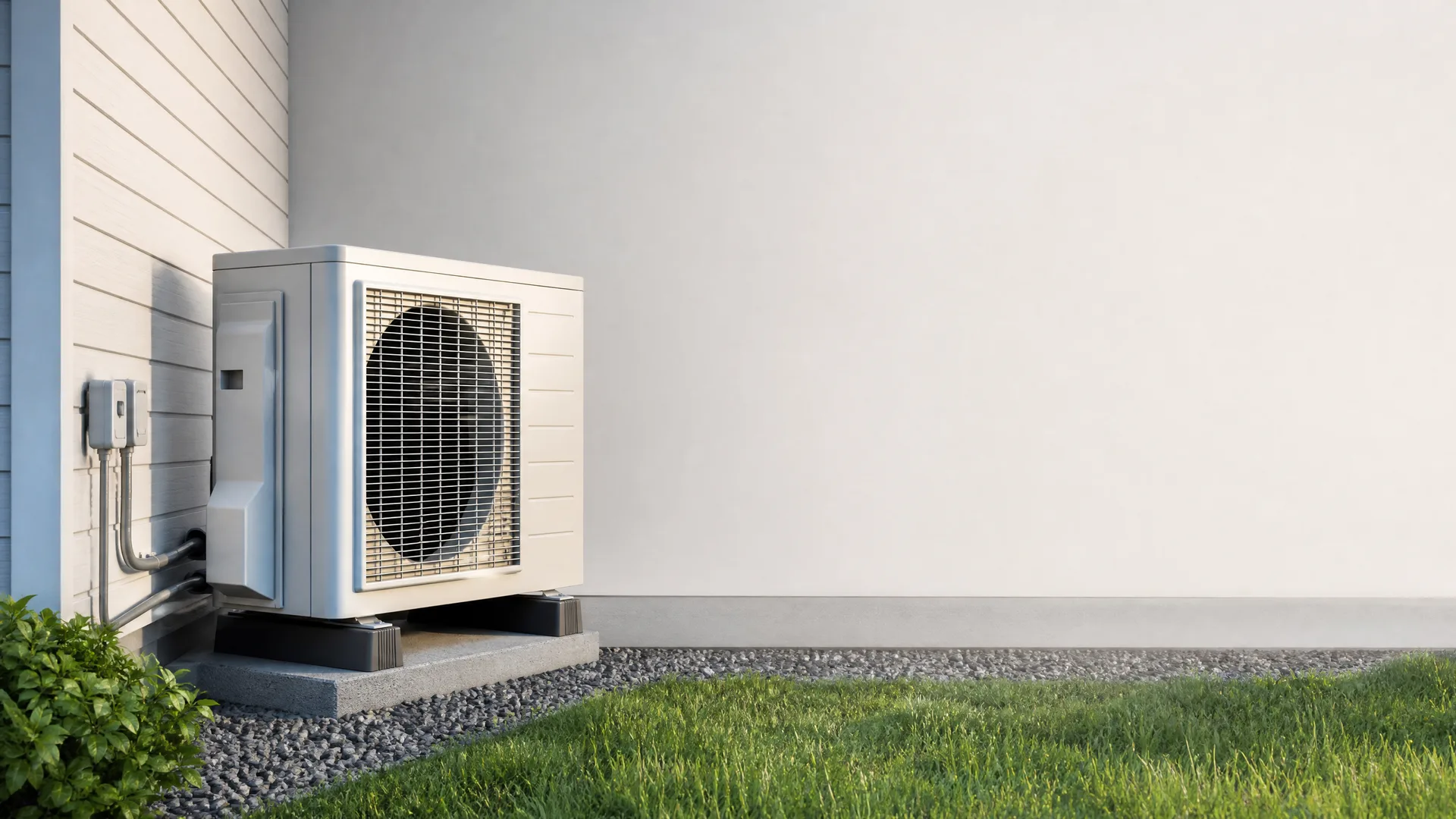
An outdoor heat pump unit on a concrete pad beside a house corner, with a small electrical box and conduit on the wall, gravel border, grass, and a plain light-colored wall filling the right side.

Leave it on emergency heat

You can run on the electric coils until a contractor gets there. The furnace or air handler will keep the house warm, and nothing gets worse by waiting. Your electric bill for those days will run higher than normal, since resistance heat costs more to produce than a working heat pump. Power here is cheap, so a few days of this won't wreck your budget. It just buys you time without a cold house while the outdoor unit gets looked at.

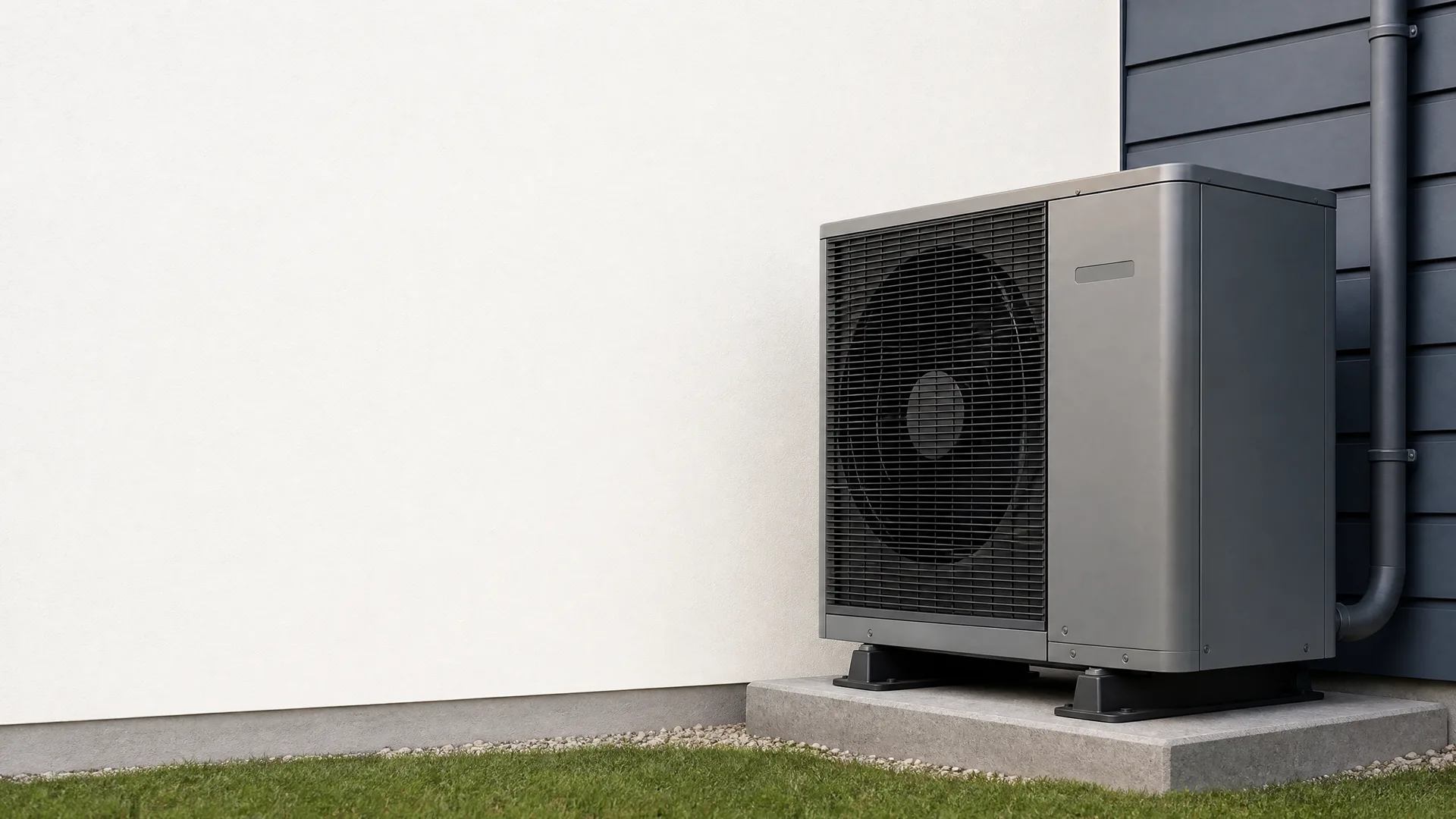
A grey outdoor heat pump unit on a concrete pad beside a white stucco wall and dark siding with a downpipe, with gravel and grass in the foreground.

Switch it back and wait

You can flip the switch back to normal and see what happens. If the heat pump was only stuck from a defrost cycle or ice buildup, it may pick back up on its own once things thaw out. But if the outdoor unit has a failed part, the house will start losing heat again, and you're back to emergency heat anyway. Flipping back and forth doesn't fix anything. It just tells you whether the problem cleared itself or is still sitting there.

Why is the house warm but the bill climbing fast

You might not notice emergency heat is running until the bill comes. The house feels fine, maybe even warmer than usual near the vents, because electric resistance heat burns hot. What you'd notice if you're watching for it: the outdoor unit sitting still and quiet for long stretches instead of cycling on and off, or the EM HEAT light staying lit on the thermostat for days rather than flickering on during a cold snap and then clearing. Power here is cheap compared to a lot of places, but running electric coils as your main heat source for a stretch still costs more than the heat pump doing its normal job. The longer it sits stuck there, the more it costs you before anyone looks at the outdoor unit.

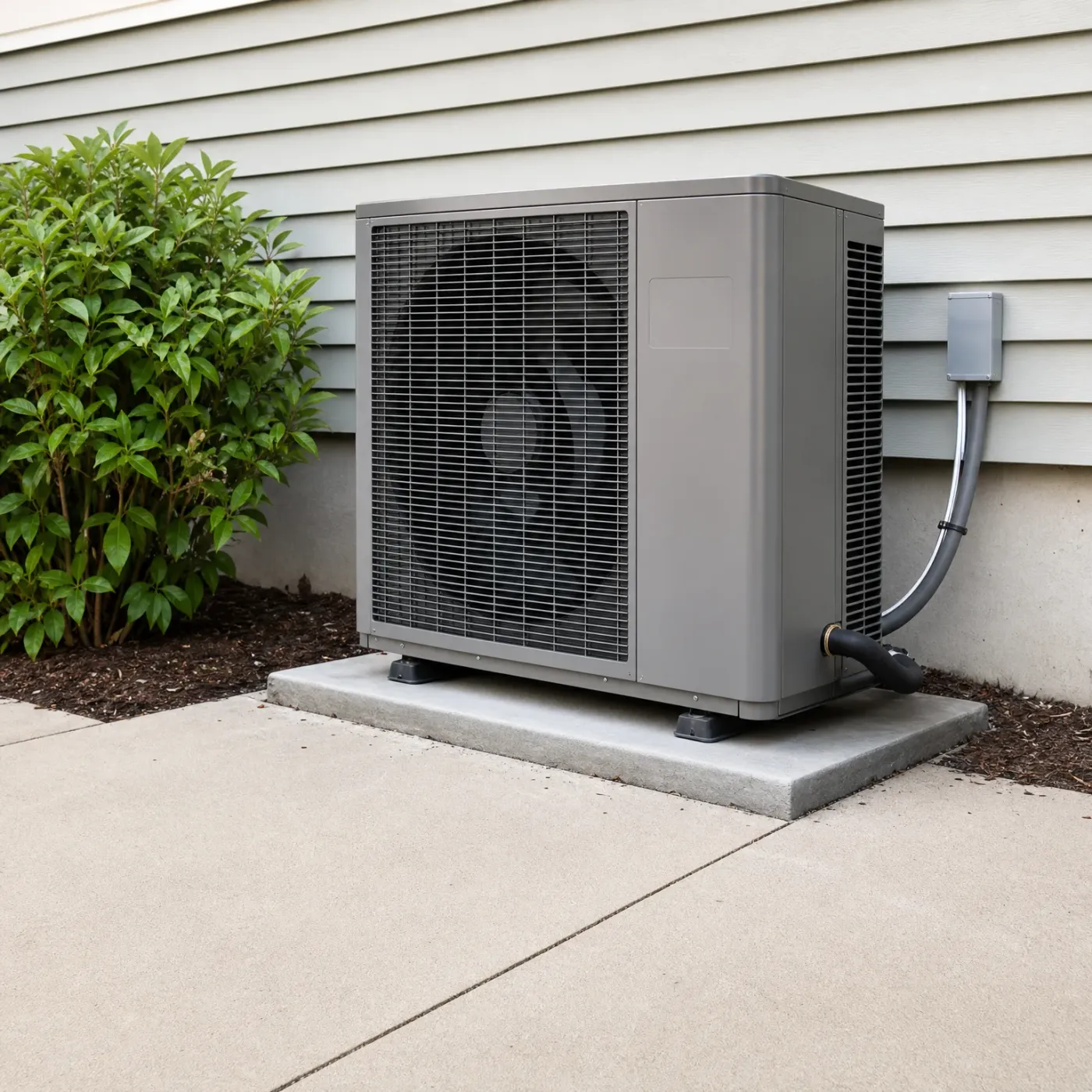
A gray outdoor heat pump unit on a concrete pad beside a house with horizontal lap siding, with a conduit running to a wall-mounted disconnect box and a green shrub to the left.

Running clean

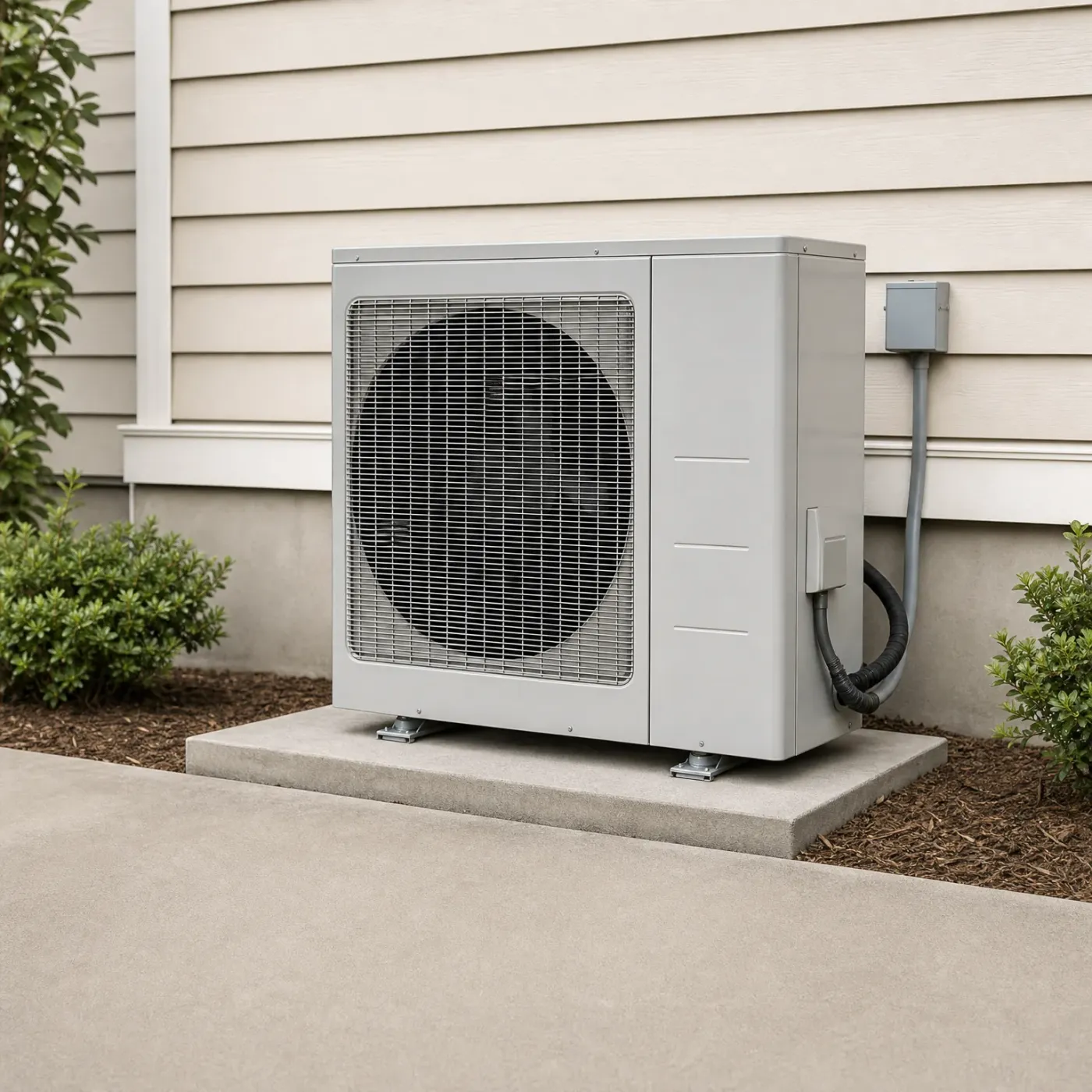
This is the unit doing what it's built to do. It sits on its pad, pulling heat out of the cold air without a fight, and the thermostat stays on its normal setting. No ice buildup, no coils kicking on. If yours looks like this, emergency heat has no reason to be running.

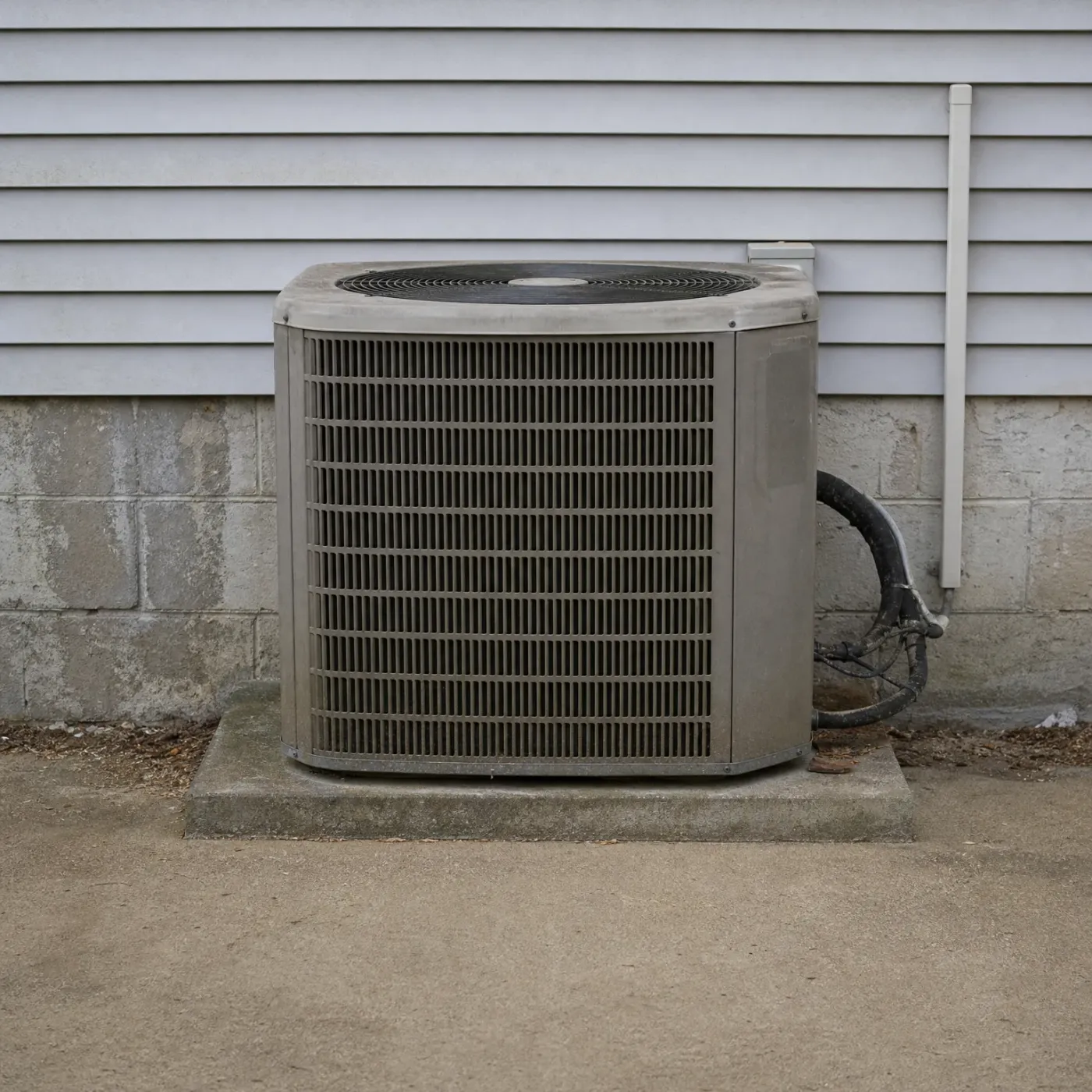
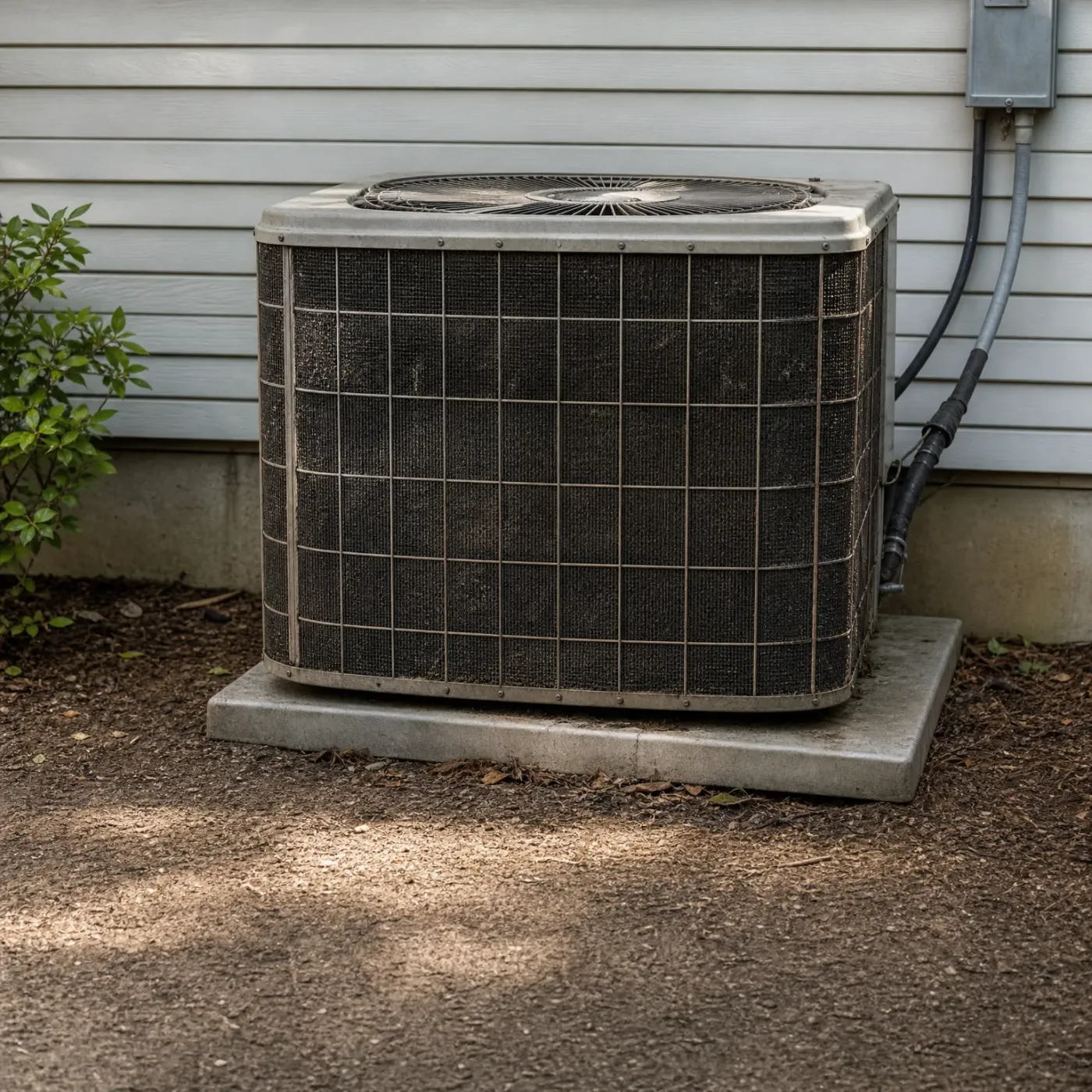
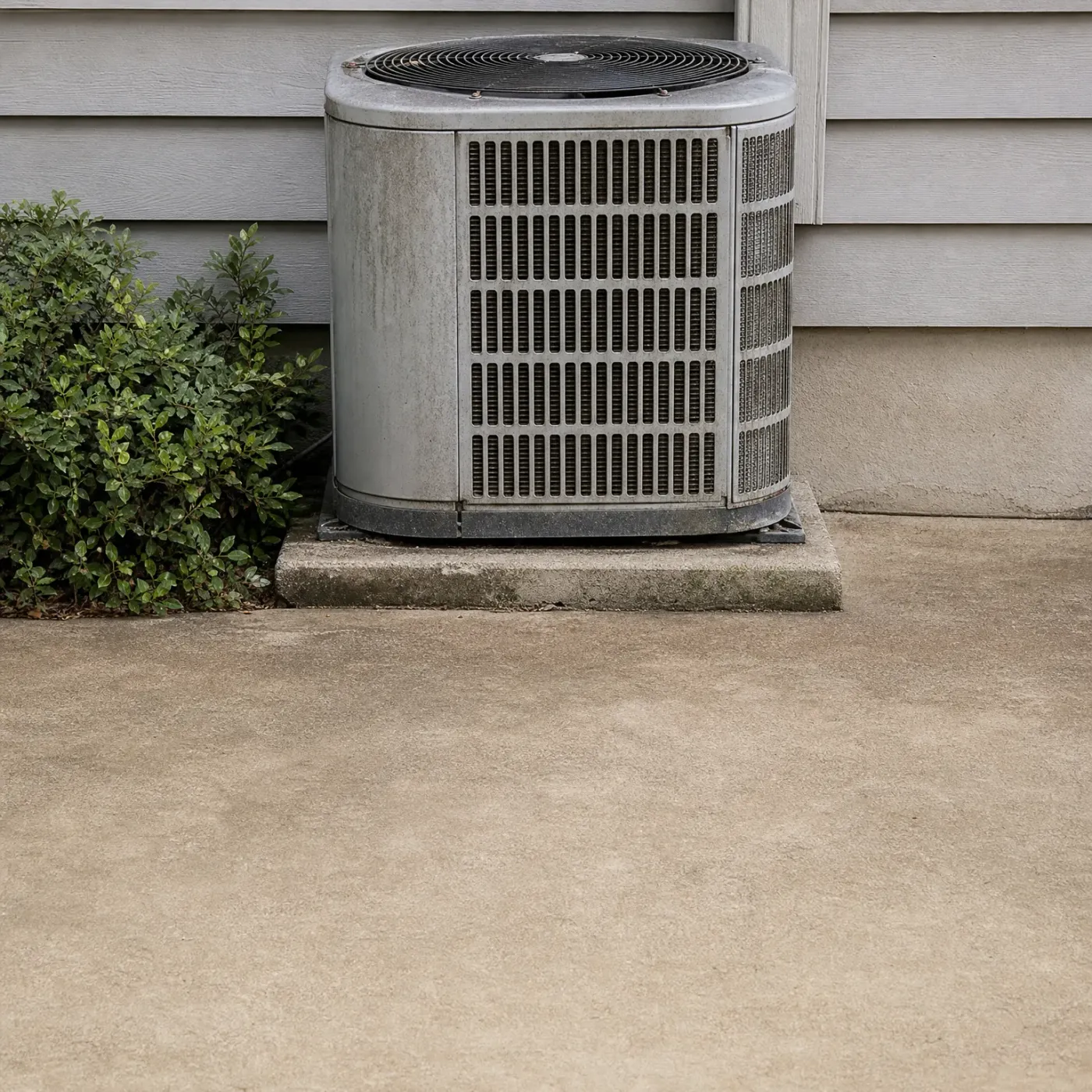
An outdoor air conditioning condenser unit with dusty coils sits on a concrete pad against light horizontal siding, with an electrical disconnect box and refrigerant lines on the wall and a shrub and mulch at left.

Worn and struggling

Years of grime on the cabinet and a unit this run down often can't pull heat the way it used to, even above the usual cutoff point. If a unit in this shape is why your thermostat keeps landing on emergency heat, that's a sign worth having a contractor look at, not just a cold snap passing through.

Power costs 11.82 cents per kilowatt-hour statewide

At 11.82 cents a kilowatt-hour, those electric coils cost more to run than the heat pump itself, but not enough to panic over for a few days. If emergency heat stays on past that, the extra you're paying is the real cost of waiting on a repair.

EIA-861 2025 statewide residential average

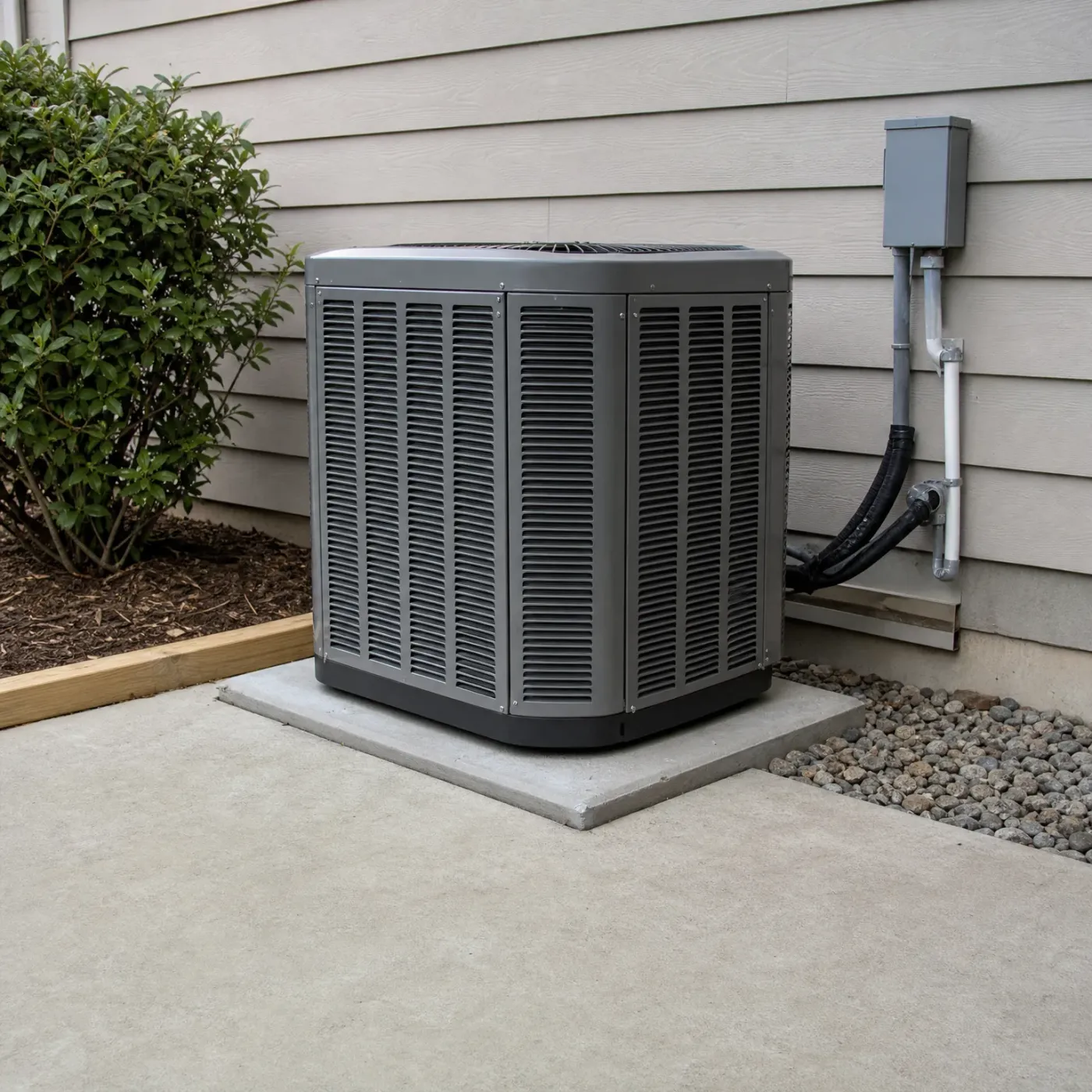
A gray outdoor condenser unit on a concrete pad beside a house with horizontal lap siding, with a wall-mounted disconnect box, conduit and insulated refrigerant lines, a shrub at left and gravel at right.

The unit on the pad, doing its job

This is what sits outside your house on an ordinary day. No ice on the coil, no frost on the grill, just the condenser running quiet on its pad while the thermostat stays on its normal setting and the heat pump pulls warmth out of the cold air.

An outdoor air conditioning condenser unit on a concrete pad beside a house with horizontal lap siding, with a green shrub to the left and a wide concrete slab in the foreground.

Same unit, different story

Same pad, same siding, but something's off when the coil is iced over or the thermostat has kicked itself onto emergency heat and stayed there. That's the heat pump side telling you it's quit working, and the electric coils are carrying the house alone.

Does emergency heat use gas or electric?

Most homes in North Dakota heat with gas, so it's a fair question when the furnace sits right next to the heat pump and the thermostat says "emergency heat." You might assume the gas furnace is what's kicking on. It's worth knowing which one is actually running, since the two cost very different amounts to operate.

It's electric, not gas

Emergency heat runs on electric resistance coils, not the gas furnace. If your home has a gas furnace paired with the heat pump as a dual-fuel setup, that furnace has its own separate call and doesn't turn on just because the thermostat says EM HEAT. The coils sit inside the air handler and heat the air directly, the same way a space heater or an electric water heater element works. That's why the house warms up fine while on emergency heat, and also why the electric bill moves more than you'd expect. Where power is cheap, a few days of this won't hurt much. Left running for weeks, it adds up.

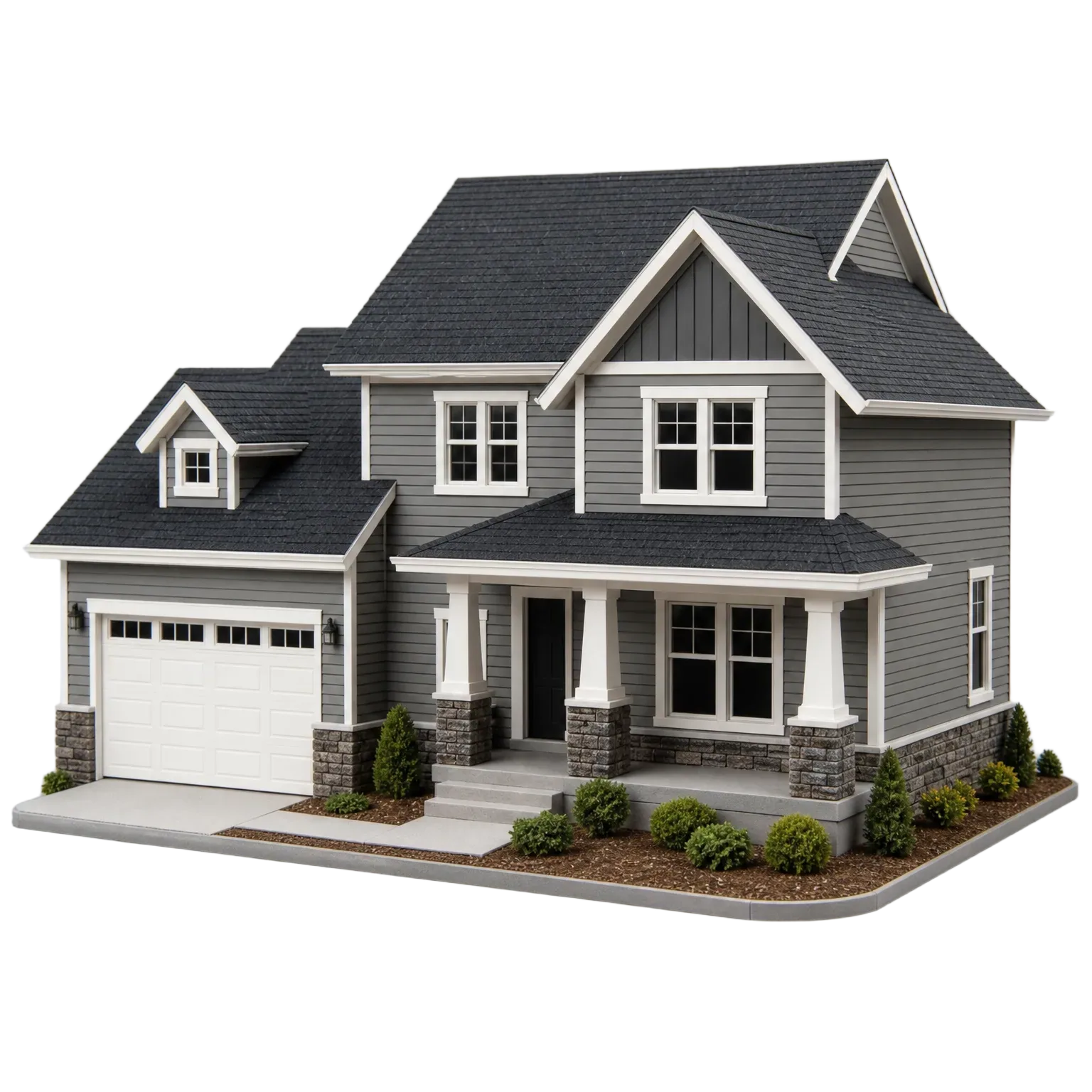
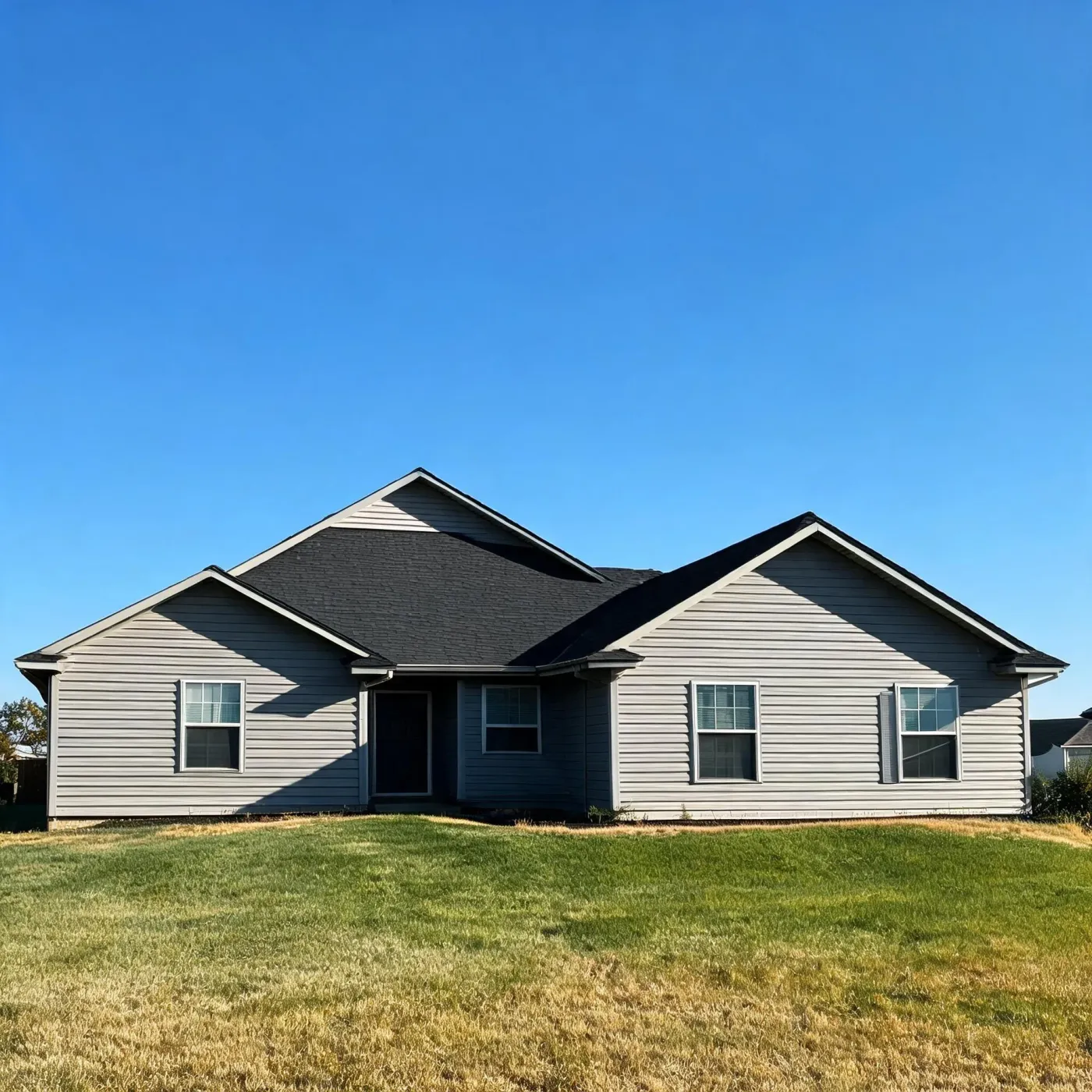
A single-story house with gray vinyl siding, dark shingled gable roofs, and white-trimmed windows, set behind a partly dry green lawn under a clear blue sky.

Summer here doesn't press on you the way it does further south. Averaged out across June, July and August, the dew point sits at 53°F, which is the dry side of comfortable. That matters for the other half of what your heat pump does. A heat pump that isn't fighting heavy, damp air doesn't run as long or as hard to cool the house, and the coil outside stays cleaner longer without that constant sticky moisture settling on it. It's a different machine's workload than the one you hear about in the Gulf states or the Southeast. None of that changes how the unit handles a January night, but it's worth knowing the same equipment isn't working hard in both directions.

NASA POWER T2MDEW county cells weighted by homes

A closed laptop and a cream mug of coffee on a coaster sit on a dark wooden table, with a potted plant at left and a kitchen counter, tiled backsplash and shelf of ceramics in the background.

Emergency heat means the switch, not the weather

A thermostat stuck on EM HEAT is telling you the heat pump side gave up, not that it's cold out. The house will stay warm either way. The electric coils see to that. What changes is the bill, and whether the outdoor unit ever goes back to doing its job without help.

Once you know that, the rest is just getting someone out to look at the unit on the pad. That's the part that eats a morning otherwise: finding a contractor who works on heat pumps, calling two or three, saying the same thing about the ice and the thermostat each time, then sitting with the quotes to see who actually shows up first. Send the form once and that list of calls is someone else's problem.

Interior corner of a room with a window and sheer curtain at left, a gray upholstered sofa with a cushion at right, and a round wooden table holding stacked books and a round vase with an olive branch.
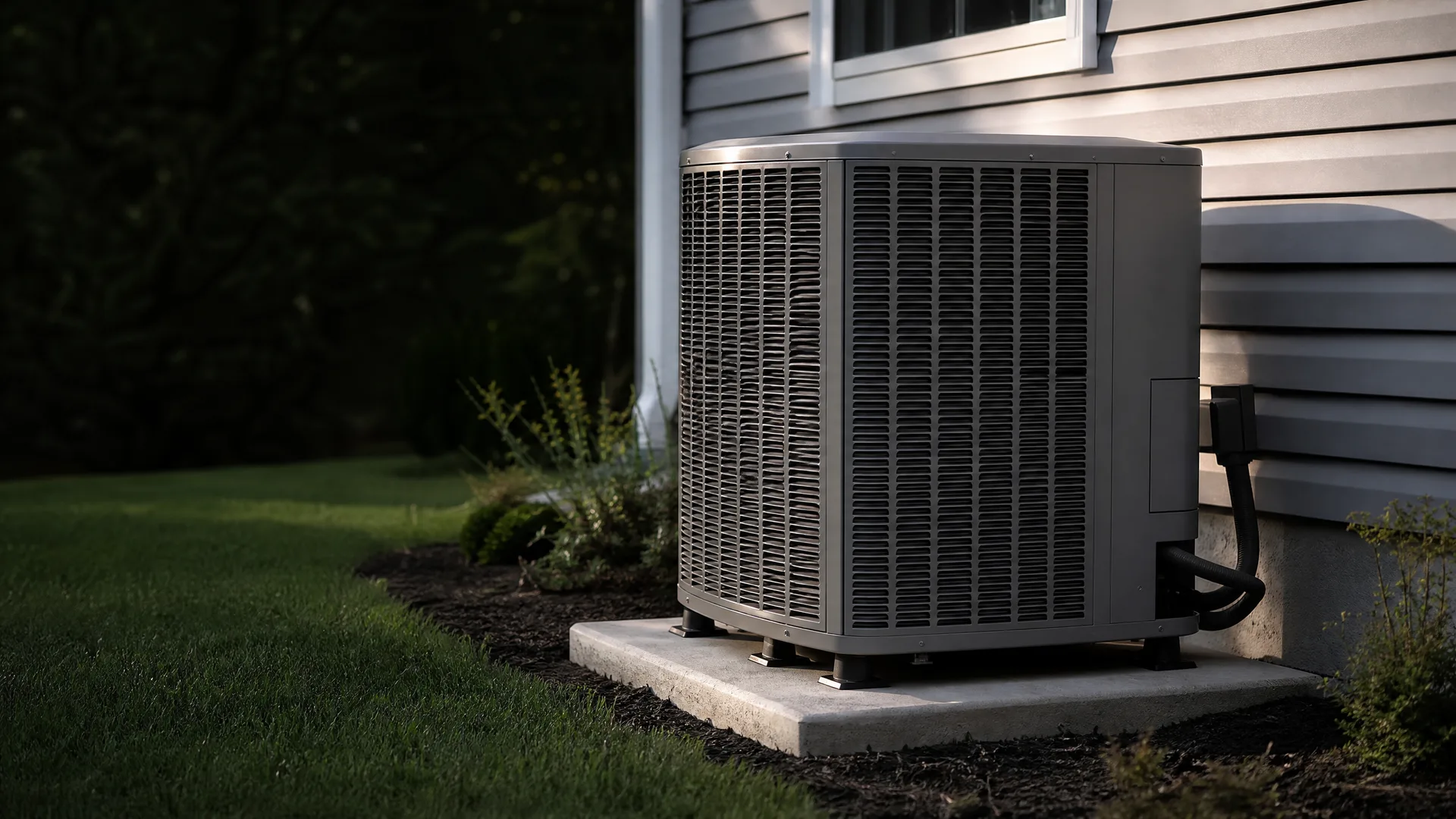
A gray outdoor condenser unit on a concrete pad beside a house with horizontal lap siding, bordered by mulch, shrubs and a mowed lawn.

One request and it's handed off

Step 1 of 3: Equipment