
A compressor that won't catch
If the outdoor unit runs but the house stays cold, the compressor may have given out. The backup strip picks up the full load, and that's an expensive way to heat a house all winter.
 Find my pro
Tell a local repair pro what your heat pump is doing.
A heat pump in North Dakota works harder as the temperature drops, and below a certain point it can't pull enough heat from the outside air to keep up on its own. That's when the backup heat strip kicks in, and that's what moves your bill. Electric resistance heat costs more to run than the heat pump itself, and on the coldest stretches it can be doing more of the work than you'd expect.
Most homes around here heat with gas, so a heat pump bill that climbs in January can look alarming next to what a neighbor pays. Power is cheap here, but a heat strip running for hours at a time still adds up. If your bill jumped and the house never felt warmer for it, something is likely pushing the system into backup heat more than it should.
That can mean a thermostat set wrong for a heat pump, a unit losing refrigerant, a defrost cycle that isn't clearing frost off the outdoor coil, or a heat strip that's stuck on when it shouldn't be. Each of those has a different fix, and guessing at it from the thermostat doesn't tell you which one you've got.
A contractor who works on heat pumps in this kind of cold can look at your system and your bill together and find where the extra cost is actually coming from. You don't have to figure out which part is at fault before you call. Once you send the form, finding the right person for it is off your plate. The contractor who follows up will already know it's a heat pump, that it's North Dakota, and that something about this winter's bill doesn't add up.
Your bill jumps because your heat pump stops doing the work alone. Once outdoor temperatures fall into the single digits or below, which happens plenty through a North Dakota winter, the outdoor unit can't pull enough heat out of that cold air. The system leans on electric resistance strips to make up the difference, and those strips use far more power than the compressor does to produce the same warmth. The colder it gets outside, the more the strips run, and the more they run, the higher the bill climbs. A heat pump that's low on refrigerant or has a failing component will lean on that backup heat even sooner, on days it shouldn't need to. If your bill jumps hard on the coldest nights but stays reasonable otherwise, that's normal. If it stays high even on milder days, something in the system is making it work harder than it should.
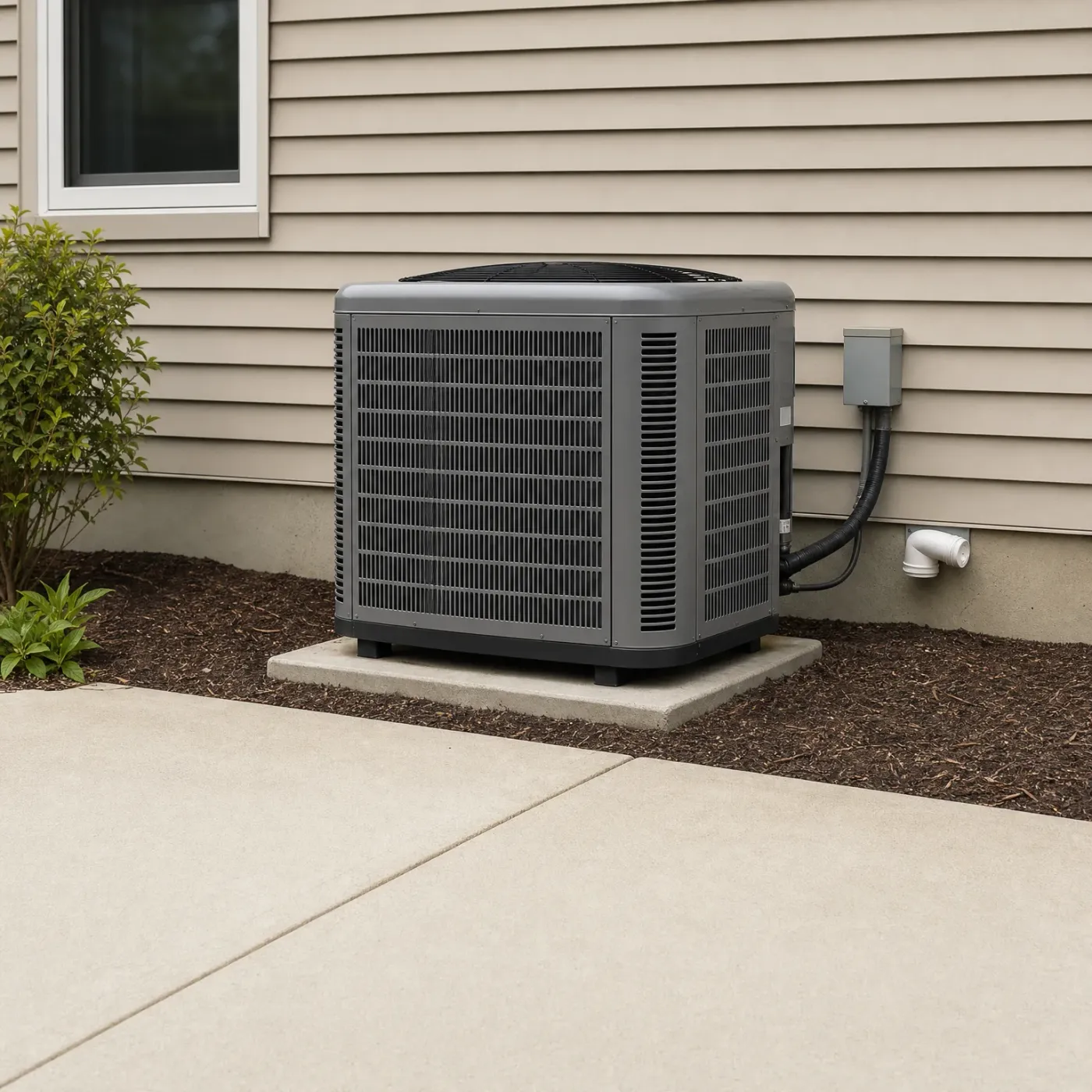
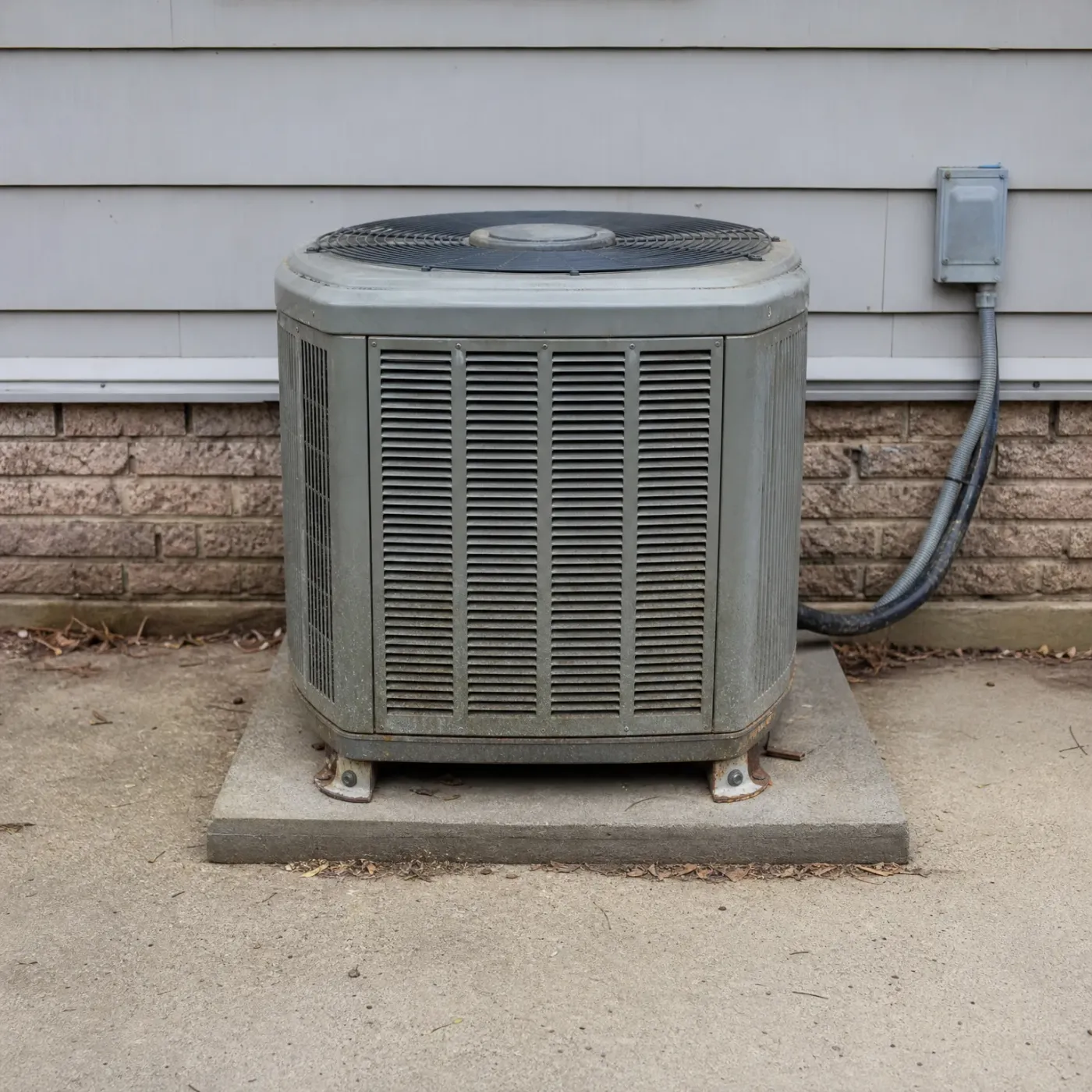
The backup strip doesn't wait for you to notice the house is cold. It turns on for specific reasons, and most of them trace back to how hard the outdoor unit has to work. Every defrost cycle brings it on for a few minutes, since the system reverses to clear frost off the coil and runs the strip so the air coming out of your vents doesn't feel cold. Snow packed against the outdoor unit or a coil that's gone a while without cleaning means more defrost cycles, and more strip time with them. Airflow matters too. A dirty filter or a blocked return makes the compressor run longer to move the same amount of heat, and the longer it runs, the more likely the strip steps in to help finish the job. The strip itself isn't one setting. It stages up, and two or three stages running pulls a lot more power than one. None of that backs off once it's on, the way a gas furnace's burner can modulate. It's full draw until the thermostat is satisfied.




Once you send the form, finding a pro is off your list.
There's no charge for the request.
The number on the thermostat tells you the room temperature, not what the system is doing to get there. A heat pump holding steady at 68 degrees could be doing it two ways: the compressor alone, cycling on and off, or the compressor plus the backup strip filling in the gap on a cold morning. Both keep the house at 68. Only one of them raises the bill. You can't tell which one is happening by looking at the display. That's the part worth having a contractor check, especially if the strip is kicking in more than the outdoor temperature alone would explain.
A heat pump that passes every test a contractor would run on it still pulls more power once outdoor air drops into the single digits. That's physics, not a fault. The compressor has less heat to move, so it runs longer, and if the strip is covering the rest, that draw stacks on top. A system working exactly as designed can post a higher bill in January than it did in March. Where a repair earns its cost is when something is making the strip run more than the cold alone would call for, like a dirty coil or a stuck defrost cycle.


If the outdoor unit runs but the house stays cold, the compressor may have given out. The backup strip picks up the full load, and that's an expensive way to heat a house all winter.
Sometimes the strip runs even when it doesn't need to, because of a bad sensor or a setting pushing the system past the compressor. That's worth having checked before the next cold snap.
Check the vents near the thermostat. If the air coming out feels warm, almost hot, instead of the lukewarm air a heat pump usually puts out, the backup strip has been carrying the load. Listen for the outdoor unit running longer than it used to, or notice if it's caked in frost most mornings instead of just during a defrost cycle. A breaker that trips more than it should, or a strip that never shuts off even when the house has already warmed up, both point to backup heat doing work the compressor should be doing. Left alone, that's not just a bigger bill. A strip running nonstop on a system it wasn't sized to run alone can wear out parts faster than a winter should.
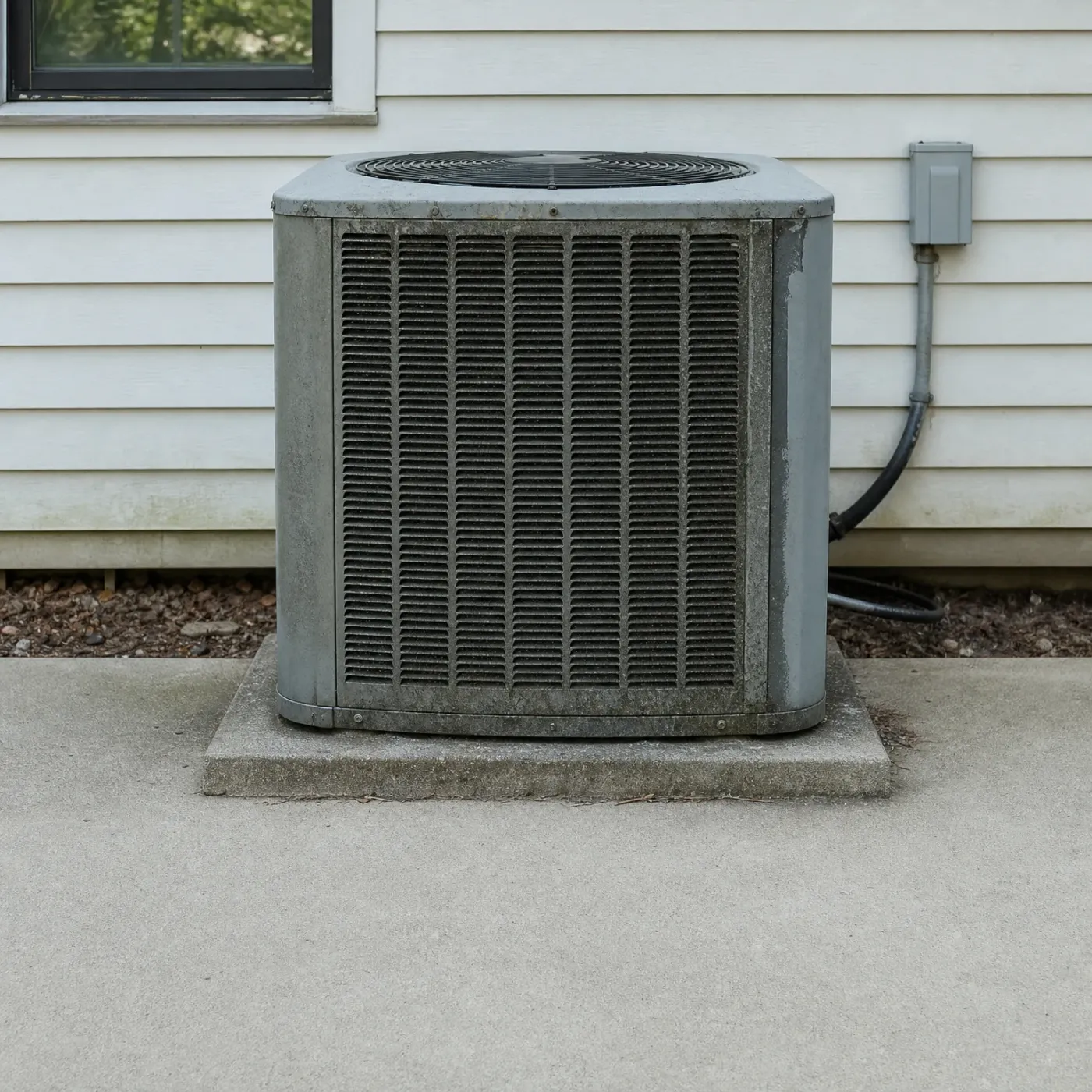
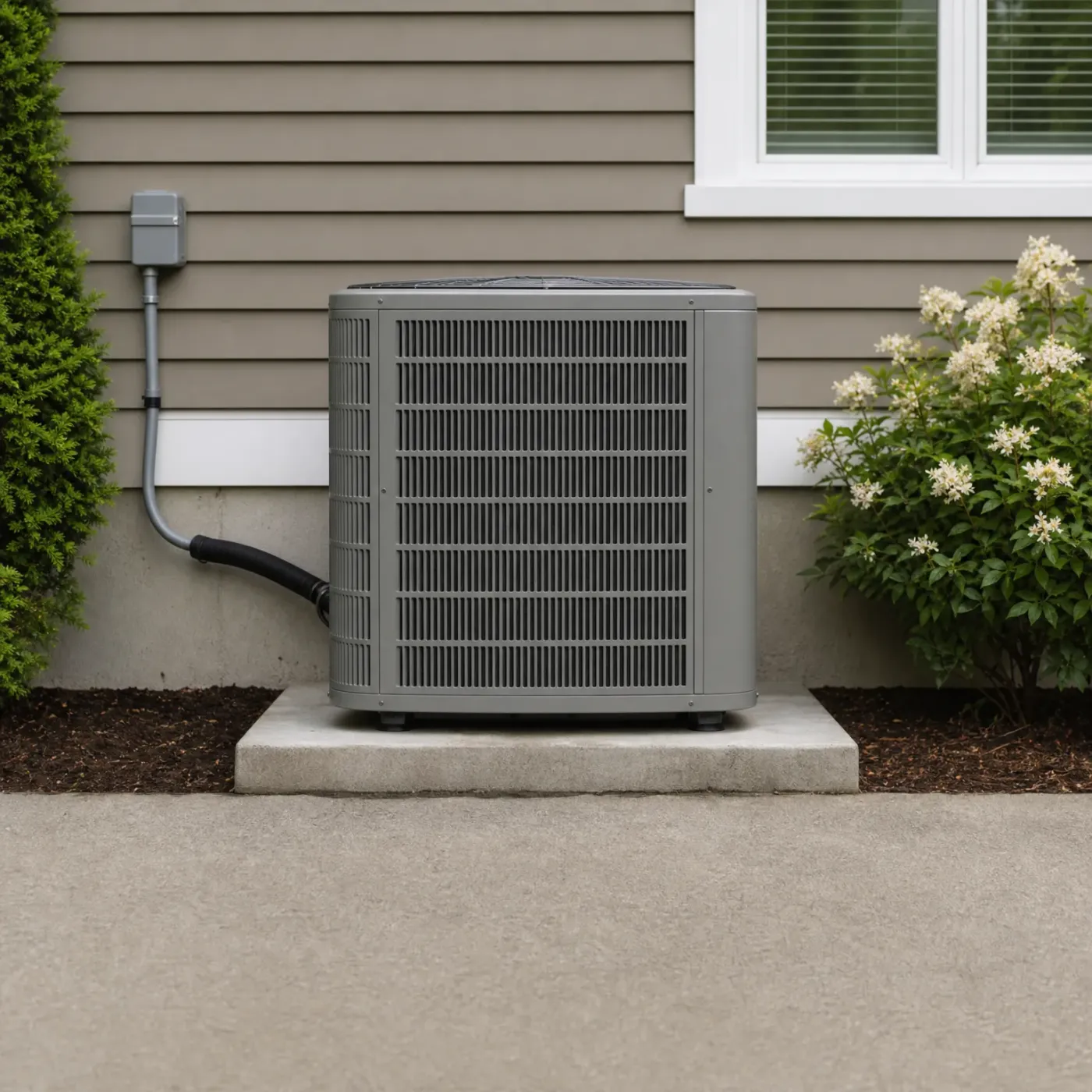
At 11.82 cents a kilowatt-hour, every hour the backup strip runs costs real money fast, since resistance heat pulls far more power than the compressor alone. That gap is what turns a stretch of single-digit days into a bill you notice.
EIA-861 2025 statewide residential average

The cold outside is not what runs up your bill. It's a system leaning on the backup strip more than it should, whether that's frost that isn't clearing, a compressor losing strength, or a thermostat set to recover too fast. Each of those has a cause a licensed contractor can find and fix, and once it's fixed the heat pump goes back to carrying the load it's built for.
Fill out the form and a contractor who works on heat pumps in North Dakota will reach out to you directly. You won't be the one tracking down who's available or sorting through who actually knows this equipment. That part is off your plate the moment you send it, and you're left knowing what's driving your bill and who's going to deal with it.

Send the request today and stop worrying about who to call.