North Dakota Heat Pumps

Why your heat pump keeps short cycling in North Dakota

Fill out one short form instead of calling around.

Skip the search

Why does my heat pump keep short cycling?

Your heat pump turns on, runs for a couple minutes, then shuts off, then starts again not long after. It never settles into a normal run. In North Dakota winters, that pattern usually shows up right when you need the heat most, and it's fair to wonder if the unit is struggling to keep up with the cold or if something is actually wrong with it.

Short cycling means the unit is shutting off before it should, and that's almost always a problem with airflow, refrigerant, or a part telling it to stop early

A heat pump that keeps shutting off and restarting is being told to stop by something other than reaching the temperature you set. A dirty filter or blocked outdoor coil cuts the airflow the system needs to run a full cycle. A low refrigerant charge does the same thing from the other direction, making the unit trip on a safety switch meant to protect the compressor. A failing thermostat or a bad sensor can also cut the cycle short even when nothing else is wrong. In cold stretches, frost on the outdoor unit can trigger defrost cycles that look like short cycling but aren't. Either way, the compressor is starting and stopping more than it's built for, which wears it down faster the longer it keeps happening.

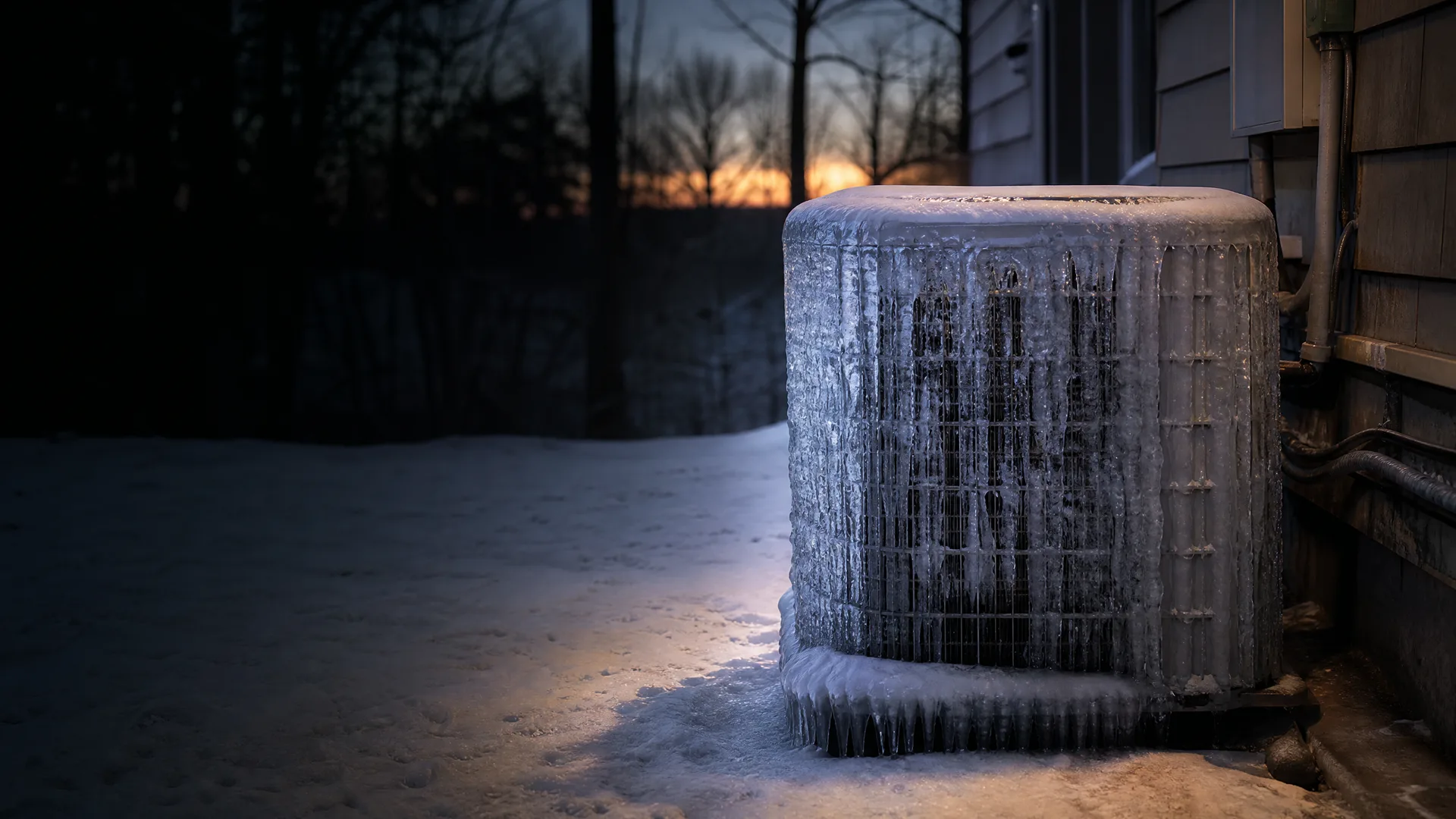
An outdoor condenser unit encased in thick ice stands on snow beside a house with horizontal siding and exterior pipes, with bare trees and a sunset glow in the background.

You're out before work, coffee still in hand, and you stop at the side yard gate. Dawn is just gray light over the snow. The outdoor unit is sheathed in ice, a thick shell of it over the coil and the cabinet, icicles hanging off the bottom edge. Inside, you can hear it click on, run, click off, over and over, a few minutes apart. It did this most of the night. You crouch down and touch the ice. It doesn't give. Behind you the house is holding steady at whatever the thermostat is set to, for now, but standing here in the cold you already know this isn't melting off on its own today.


Short Cycling: Winter vs Summer

Short Cycling in Winter

  • If it's icing over faster than the defrost cycle can clear it, that points to a failing defrost board or a stuck reversing valve.
  • A low refrigerant charge makes the coil run colder than it should, so frost builds up quicker than normal and the unit trips off.
  • A thermostat sensing the wrong temperature can shut the system down early, before the house actually reaches the set point.
  • When your gas furnace is the backup heat, a heat pump that won't hold a cycle is also pushing more of the work onto the furnace.
  • Below a certain outdoor temperature, a heat pump alone can't keep up, and short cycling on top of that makes a cold house colder, faster.

Short Cycling in Summer

  • A dirty outdoor coil or a weak capacitor can cause the same on-off pattern on a mild August day as the one you see at 10 below.
  • Low refrigerant shows up differently in summer, as warm air from the vents and ice on the indoor coil instead of the outdoor one.
  • A clogged filter restricts airflow enough that the system trips on its own safety switch and shuts down before it's finished a cycle.
  • With North Dakota summers running mild rather than brutal, a short-cycling heat pump often still cools the house enough that homeowners put off calling.
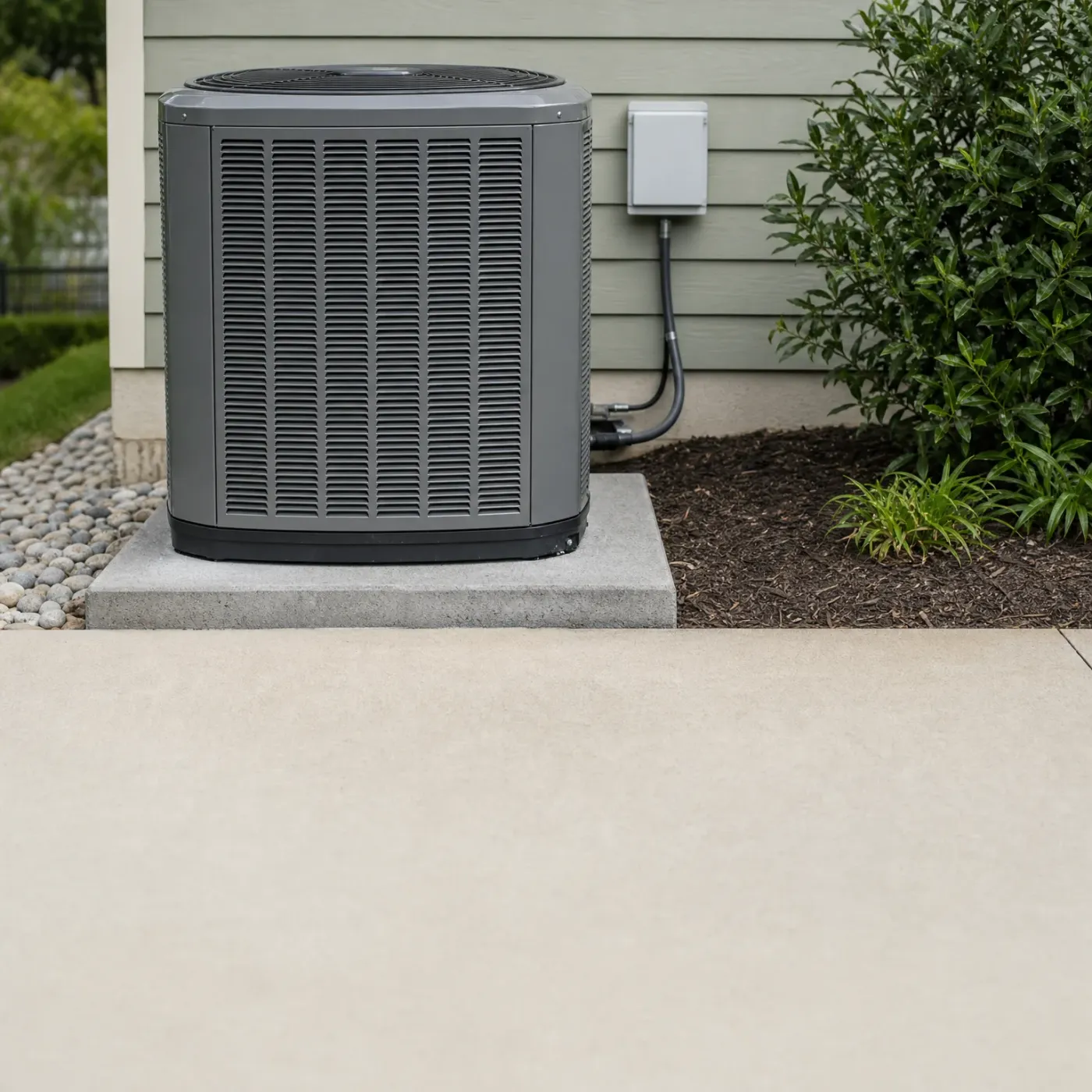
A gray outdoor condenser unit on a concrete pad beside a light green lap-sided house, with a wall-mounted electrical disconnect box, mulch bed with shrubs, river rock, and a paved walkway in the foreground.

Running a normal cycle

The unit sits quiet on its pad, coil clean, running a full cycle before it shuts off. Air moves steady through the house. This is what a heat pump looks like when the defrost board and reversing valve are both doing their job, and the charge is where it should be.

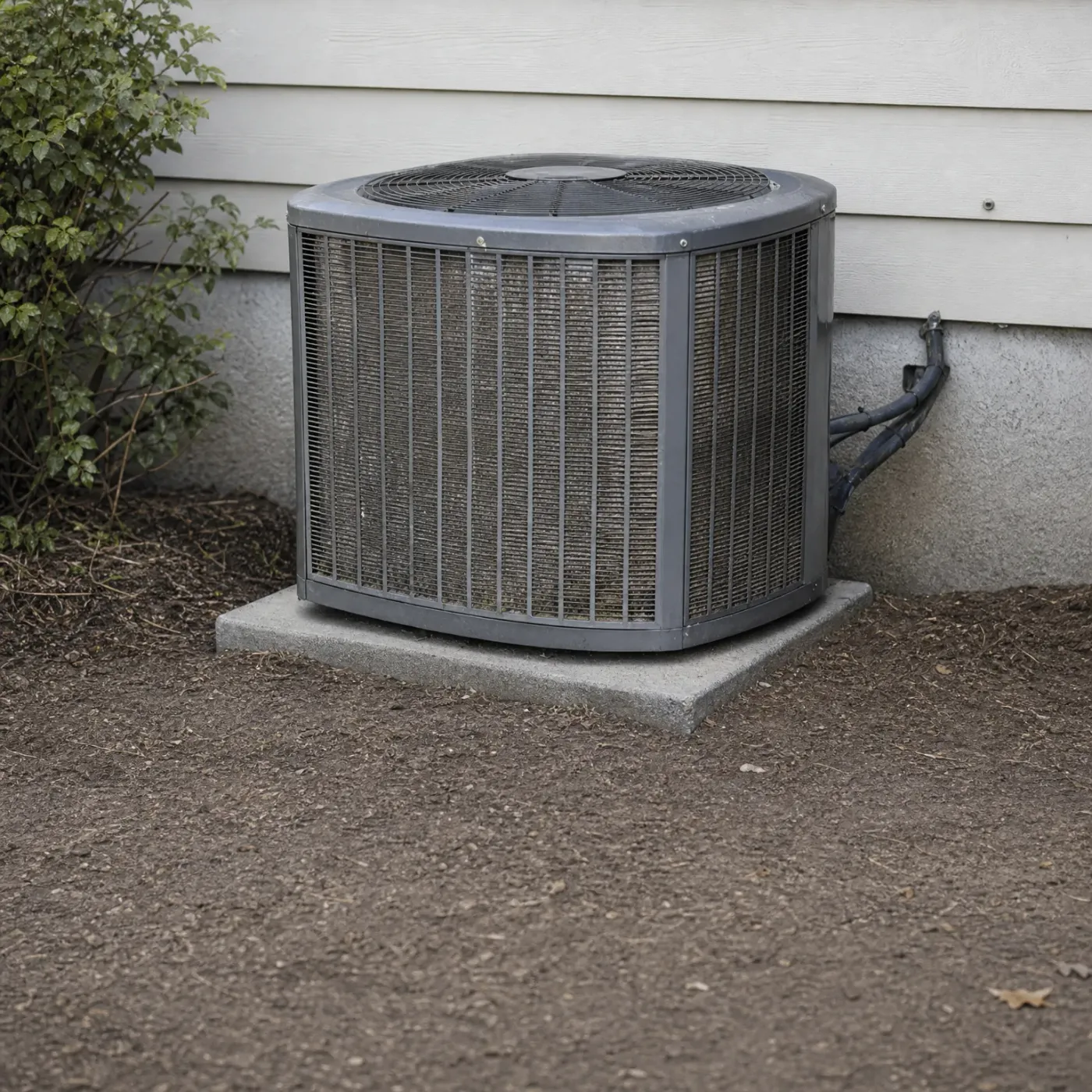
An outdoor air conditioner condenser unit on a concrete pad beside a house with horizontal lap siding, with refrigerant lines entering the wall and a shrub on bare soil to the left.

Icing and shutting down

The coil is caked with ice and debris, and the lines running into the wall are doing more work than they should. A unit in this shape cuts on and off every couple minutes instead of running through. That strain is what wears out a compressor before its time.

A man with grey hair and stubble in a dark sweater sits on a grey sofa indoors, looking off to the side, with a potted plant and a sunlit window behind him.
A man with gray hair, a beard and glasses, wearing a dark green sweater, sits on a gray sofa in a sunlit living room with a potted plant, table lamp and wooden sideboard behind him.
A middle-aged man with graying hair and a short beard sits on a blue sofa in a living room, looking toward a window, with a bookshelf, lamp and framed picture in the background.
A man with graying curly hair and a dark green sweater sits on a gray sofa in a sunlit living room, looking off to the side, with a framed picture, shelving, an armchair and a window with sheer curtains behind him.

One form, no calling around

You've already read what's happening under the cabinet. Finding someone to actually open it up is a different job, and in a North Dakota winter it's not one you want to drag out while your heat pump keeps tripping off every few minutes. Normally that means calling a few HVAC outfits, explaining the icing and the short cycling to each one, waiting on callbacks, then lining up quotes to see who's honest about a defrost board versus a reversing valve. That's the part this page skips. Your request goes to one licensed contractor working in your area, someone who deals with heat pumps through these exact winters and has seen this failure before, not a handful of companies competing for your callback. You explain it once. No repeating the story to five different voices, no sorting through estimates that don't agree with each other. With a system shutting itself off over and over in the cold, that's time and aggravation you don't need to spend.

How Defrost Actually Works

  • A heat pump in defrost reverses the cycle, so it briefly blows cool air inside while the outdoor coil heats up to melt ice.
  • The defrost board times this off a sensor on the outdoor coil, not a clock alone, so a bad sensor can trigger defrost too often.
  • A stuck reversing valve can leave the unit partway between heating and defrost, which reads to the system as a short cycle.
  • The outdoor fan is supposed to stop during defrost so the heat stays on the coil instead of blowing away, and a fan that won't stop drags defrost out or fails it.
  • Low refrigerant charge drops the coil temperature further, so frost forms faster than a normal defrost cycle is built to clear it.
  • A failed run capacitor on the compressor can cause it to start, stall under load, and trip its overload switch within a minute or two.

A heat pump heating a North Dakota house in January is pulling heat out of outside air that's well below freezing, and that makes the outdoor coil cold enough to frost over. The system handles that by reversing itself for a few minutes at a time, sending warm refrigerant through the outdoor coil to melt the ice off before switching back to heating the house. That reversal is normal. What isn't normal is when it happens over and over without a real heating run in between.

The board controlling this reads a sensor clamped to the outdoor coil to decide when frost has built up enough to justify a defrost cycle, and when it's done. If that sensor is giving a bad reading, the board can call for defrost when the coil barely has any ice on it, or it can run defrost long after the ice is gone. Either way, the unit spends its time flipping back and forth instead of running.

The reversing valve is what actually does the switching, and if it sticks halfway, the system can get caught between modes. The outdoor fan is supposed to shut off during defrost so the heat stays on the coil instead of blowing out into the yard. A fan that keeps running, a weak capacitor, or a low refrigerant charge can all drag a normal defrost cycle into something that looks like short cycling.

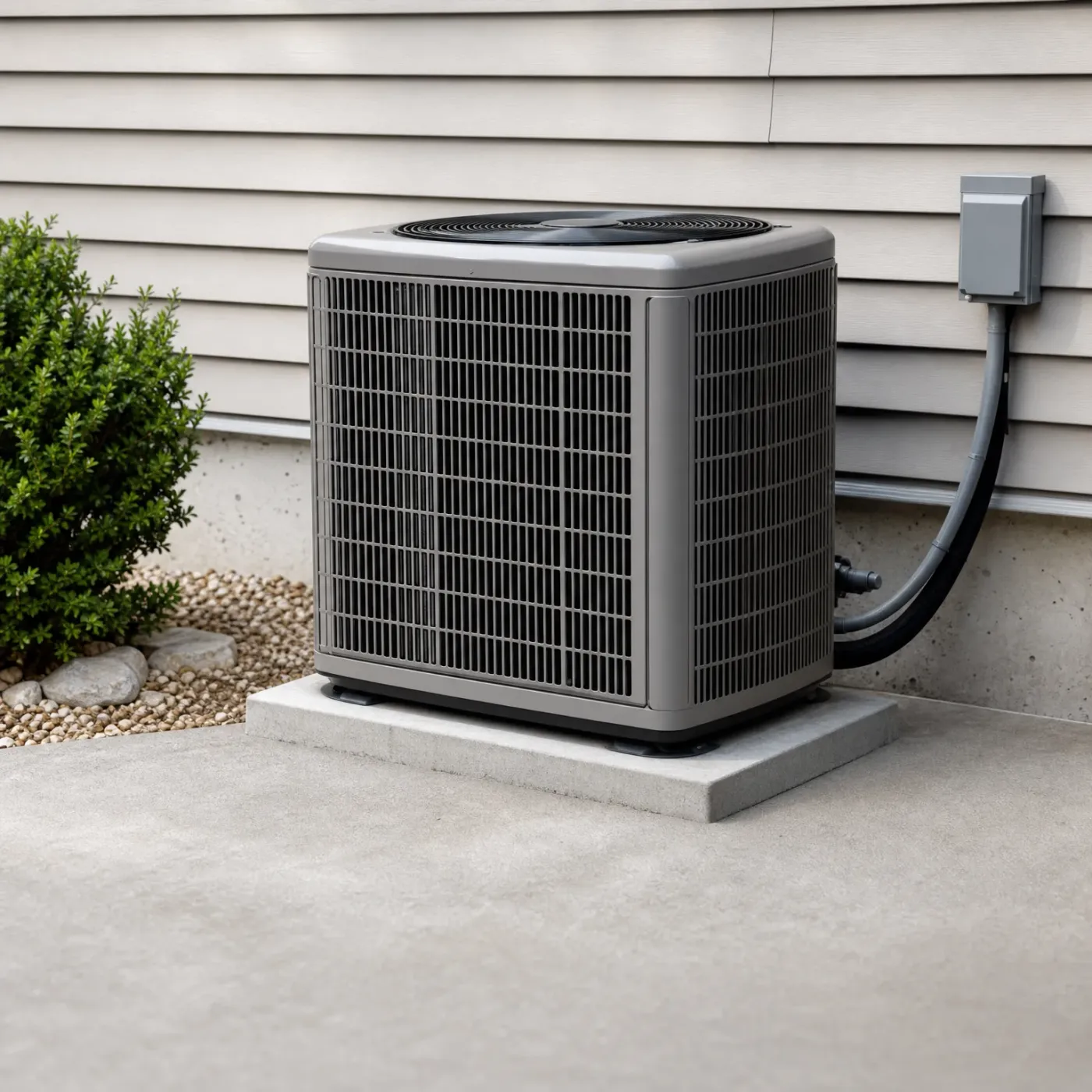
A gray outdoor condenser unit on a concrete pad beside a house with horizontal lap siding, connected by conduit and lines to a wall-mounted disconnect box, with a shrub and gravel bed to the left.
The coil is clean, the fan turns freely, and the unit runs a full cycle before shutting off on its own.
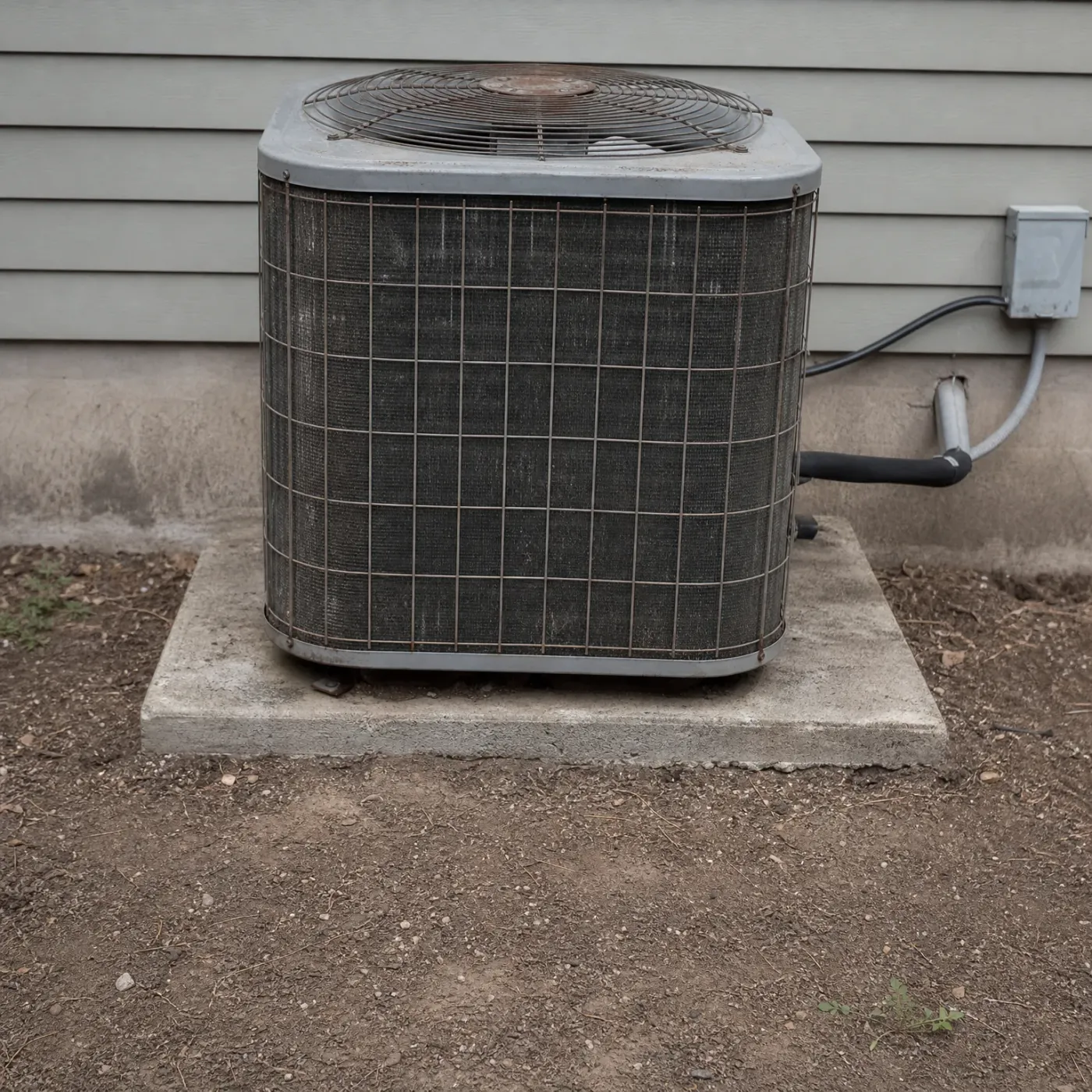
An outdoor air conditioner condenser unit on a concrete pad beside a house with horizontal lap siding, with refrigerant lines and a gray electrical disconnect box on the wall, surrounded by bare dirt.
Dirt packed into the coil guard blocks airflow, and a unit this caked usually can't hold a normal cycle at all.
  1. Thermostat calls for heat and the reversing valve shifts.

  2. Outdoor coil pulls heat from the cold air.

  3. A sensor on the coil reads frost building up.

  4. The defrost board reverses the valve to melt ice.

Power costs 11.82 cents per kilowatt-hour statewide

At 11.82 cents a kilowatt-hour, a heat pump that's short cycling isn't just failing to heat your house right, it's burning power every time it restarts without finishing a cycle. Fixing whatever's forcing those restarts, a bad sensor, a stuck valve, keeps that cost from adding up all winter.

EIA-861 2025 statewide residential average

A heat pump that restarts every few minutes never gets through a full compressor cycle, and that's the part most likely to wear out early when it's forced to start and stop over and over.

Compressors are built to run, not to kick on and off all day. Letting a short cycling unit sit through another cold snap raises the odds that part fails outright instead of just needing a sensor or board replaced.

A woman with shoulder-length brown hair wearing a beige knit cardigan sits in a gray upholstered armchair near a window, looking off to the side with a slight smile, with bookshelves blurred in the background.
A woman and a sleeping child wrapped together in a cream knitted blanket on a couch, with a potted plant, framed photo and lit lamp in the background.
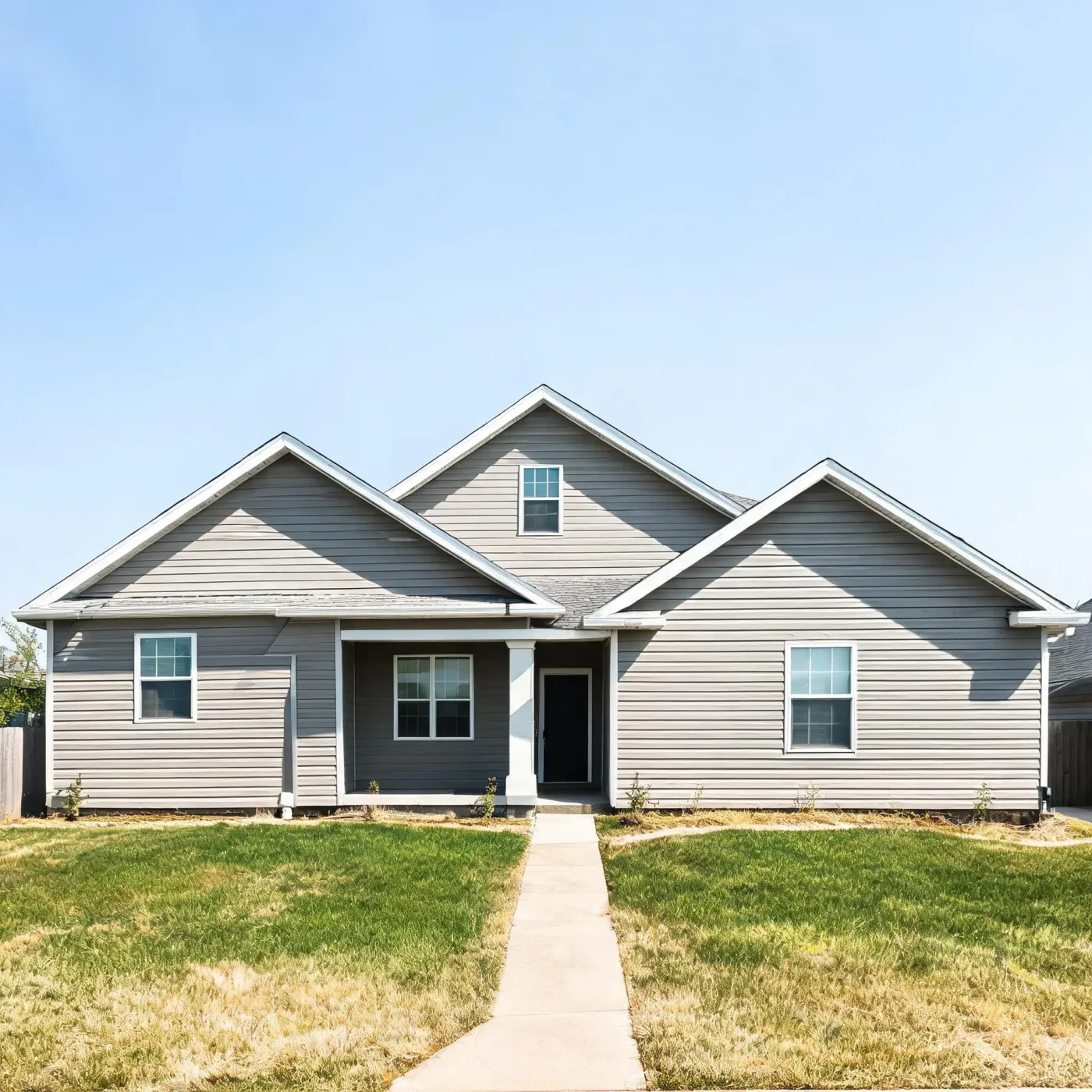
A single-story gray horizontal-siding house with multiple front-facing gables, white-trimmed windows, a dark front door, and a concrete walkway crossing a partly dry lawn under a clear blue sky.

Summers in North Dakota run mild, and the air stays light. NOAA puts the average summer dew point here at 53°F, which is dry enough that your skin dries fast even on a hot afternoon. That matters for your heat pump's other job, the one that's short cycling right now. A defrost board that's failing or a reversing valve that's stuck doesn't care what season it is, but the dry summer air means your coil isn't fighting humidity on top of everything else. Whatever's forcing those restarts in winter, a bad sensor, a low charge, is a heating-side problem, not something the summer air is causing or hiding.

NASA POWER T2MDEW county cells weighted by homes

A heat pump that keeps shutting off every few minutes isn't going to fix itself, and the longer it runs that way, the harder it is on the compressor. The cause is usually one of a handful of things: a defrost board that isn't timing right, a stuck reversing valve, a bad sensor on the outdoor coil, or a charge that's run low. Someone who works on these units through a North Dakota winter has seen all four and knows which one a given pattern of icing points to. That's the kind of call this connects you to, a licensed contractor local to you, not a list of five companies calling back at once. You explain the problem once, to the person who's actually going to open the cabinet and look. From there it's a matter of getting the unit running a full cycle again before the cold does more damage to it.

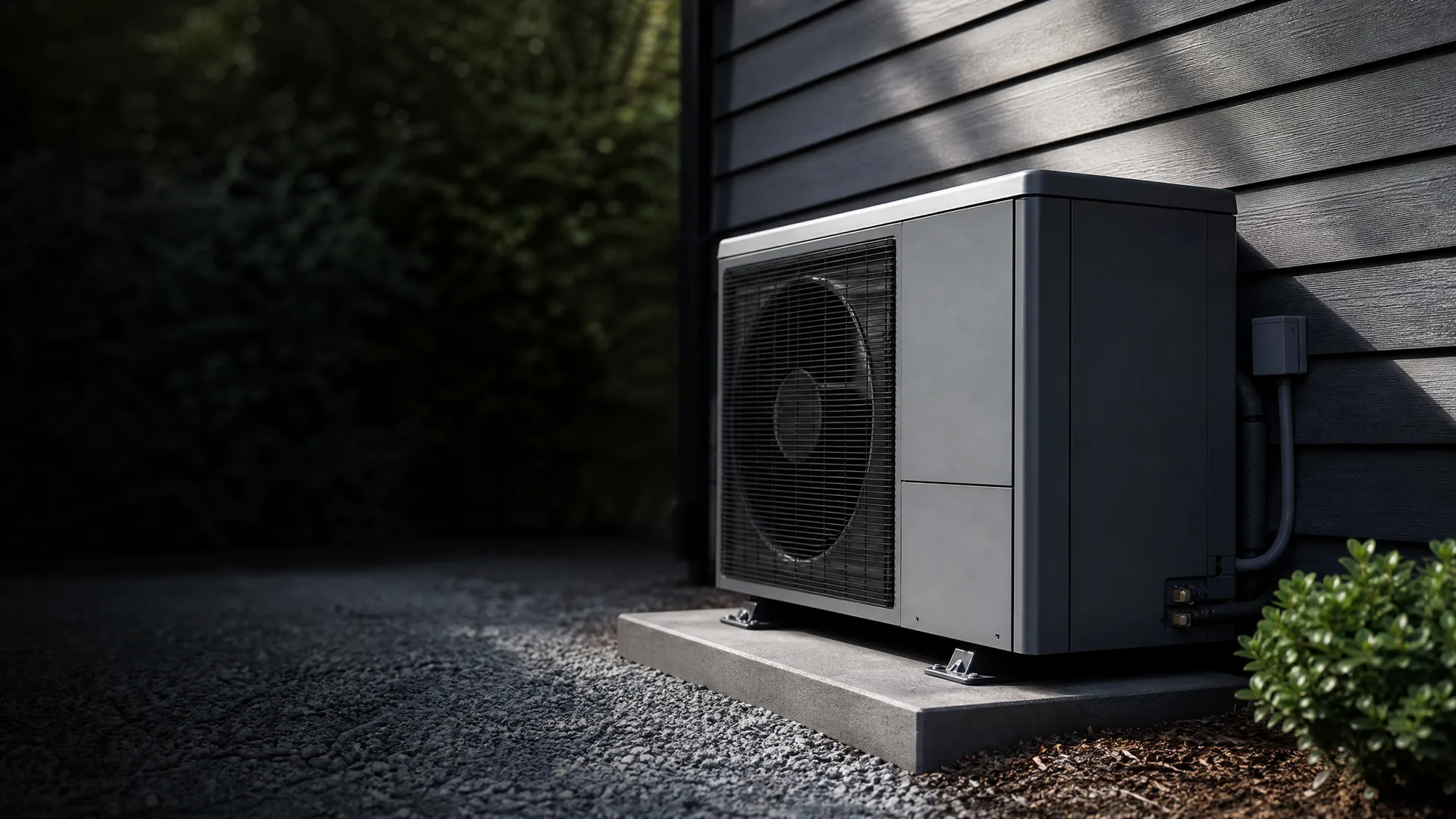
A gray outdoor heat pump unit mounted on a concrete pad beside a dark horizontal-slat clad house wall, with gravel ground and shrubs nearby.

Skip the search

Step 1 of 3: Equipment