Tell us about the job
Takes about a minute. No obligation.
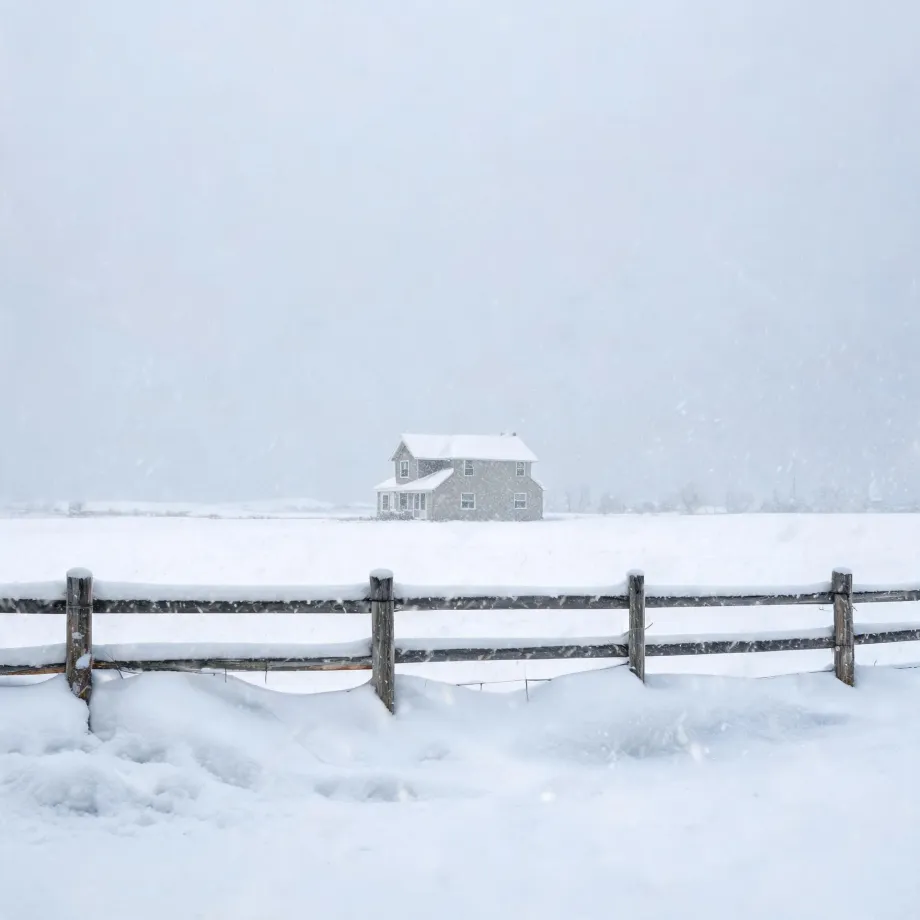
A heat pump compressor starts and stops thousands of times across a heating season, and in Foster County those cycles accumulate fast. Homes in Foster County, ND run heat about nine months a year, from September through May. By late winter, the compressor has been working against outdoor temperatures cold enough to push it near its rated limits repeatedly. A contractor called out for a repair here checks the compressor before anything else: refrigerant pressure, the contactor, the motor windings. Coil icing and low-charge faults that look like refrigerant loss often trace back to a compressor that is drawing too hard to compensate for lost capacity in the cold.
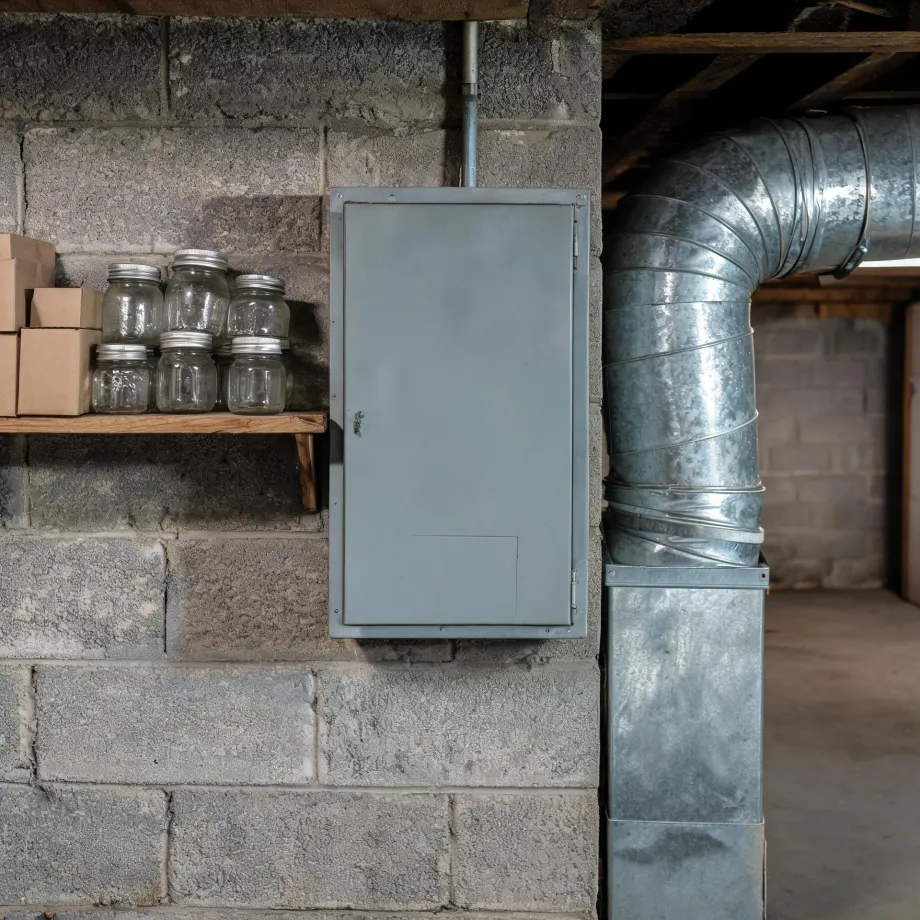
Ductwork in houses this old was built around whatever was heating those rooms at the time, and a heat pump running through it today puts different demands on joints, boots, and returns than what they were originally fitted for. Half the homes in Foster County, North Dakota were built in 1973 or earlier (2020-2024 ACS 5-year). When a contractor opens a struggling heat pump here, the refrigerant circuit or the reversing valve may well be the presenting problem, but leaking duct connections are pulling against any repair made to the unit itself. A repair that addresses the equipment without checking what the air is moving through can hold for a season and fail again for a reason the first visit never touched.
The Parts of a Heat Pump a Contractor Checks First
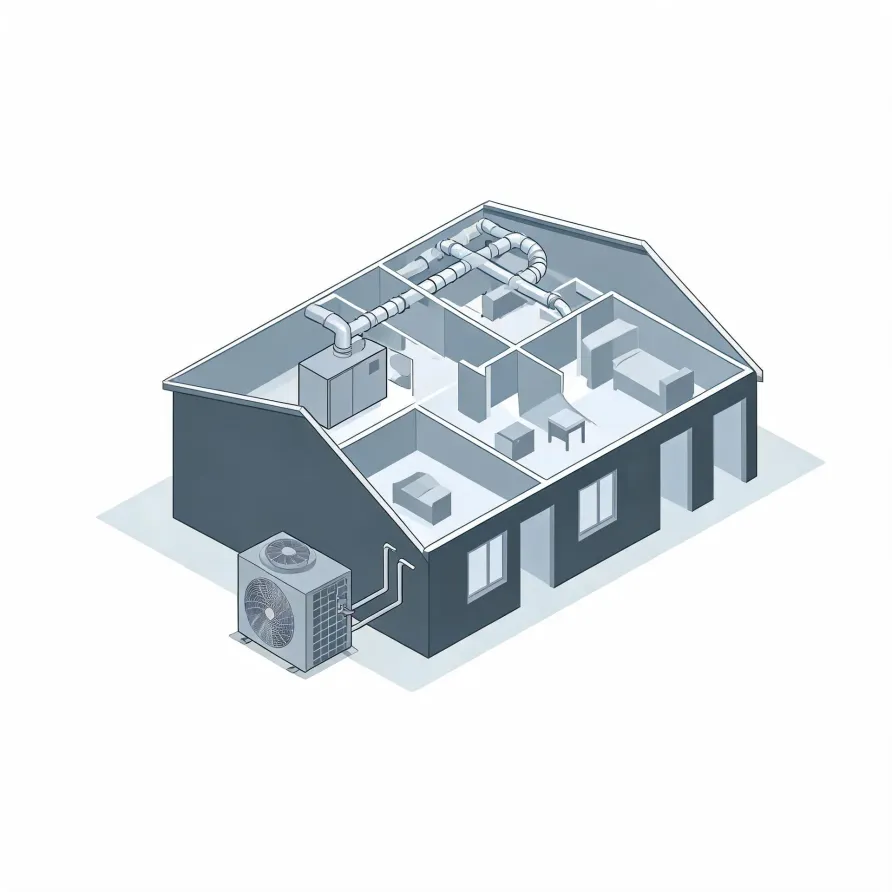
The outdoor unit sits outside the house and holds the compressor and the outdoor coil. The compressor is where most repair calls begin. It pressurizes the refrigerant that the whole system depends on, and when it labors or fails, the unit stops moving heat in either direction. The outdoor coil works alongside it, and a damaged or dirty coil forces the compressor to work harder than it should.
Inside the house, the air handler pushes conditioned air through the home and holds the indoor coil and the blower motor, both of which a contractor inspects when airflow is weak or temperatures are uneven. The reversing valve, which sits inside the outdoor unit, is what lets a heat pump heat in winter and cool in summer, and a stuck or leaking valve is a common reason a system blows the wrong temperature. The refrigerant lines connecting the two units and the expansion valve that controls refrigerant flow are checked alongside these pieces.
The drawing shows the general layout of a heat pump system, and a licensed contractor determines which parts apply and what work is needed in your specific home.
Find a contractor in Foster CountyFoster County, by the record
101 severe weather events were recorded in Foster County, North Dakota between 2015 and 2024.
NOAA National Centers for Environmental Information, Storm Events Database, bulk CSV export, events 2015-01-01 through 2024-12-31.Half the homes in Foster County, North Dakota were built in 1973 or earlier (2020-2024 ACS 5-year).
U.S. Census Bureau, 2020-2024 American Community Survey 5-Year EstimatesFoster County, North Dakota holds 1,775 housing units (2020-2024 ACS 5-year).
U.S. Census Bureau, 2020-2024 American Community Survey 5-Year EstimatesOwners occupy 79.7% of the occupied homes in Foster County, North Dakota (2020-2024 ACS 5-year).
U.S. Census Bureau, 2020-2024 American Community Survey 5-Year EstimatesCodes & Standards for Heat Pump Repair in Foster County, North Dakota1 sourced rules & standards
Licensing and Legal Requirements in Foster County, North Dakota
North Dakota requires a contractor licence once the cost, value or price of a job exceeds four thousand dollars, and an unlicensed contractor may not bring a claim or a lawsuit in a North Dakota court over the work.
Severe Weather Events in Foster County, Year by Year
Extreme weather puts real stress on heat pump systems, forcing them to work harder and wear faster. How often that pressure hits in Foster County shapes what local equipment faces over its lifetime, and what repair work tends to follow.
101 severe weather events, 2015–2024. Source: NOAA National Centers for Environmental Information, Storm Events Database.